Brazilian Federal Government Cannot Afford to Increase Minimum Wage
RIO DE JANEIRO, BRAZIL – For the Brazilian minimum wage to be maintained, the National Congress must vote on the Provisional Measure (MP) that established the monthly amount at R$1,045 or slightly less than US$200. The MP is effective until June 1st, 2020. If it is not ratified by a congressional vote, the wage may suffer changes.
The first vote was held in the Chamber of Deputies on Tuesday, May 26th, and the amount was passed. Now it proceeds to the Federal Senate. The rapporteur of the proposal is Santa Catarina’s Federal Deputy, Coronel Armando.
In a recent statement the Minister of Economy, Paulo Guedes, said that Brazil may “issue currency”, and also increase indebtedness, such as recovering the “domestic debt,” and “monetize debt without inflationary impact”. The Minister said that he intends to proceed with reforms in the Brazilian rules, but did not state which ones.
Minimum wage after COVID-19
“In this new economic environment, the maintenance of the minimum wage amount proposed in this MP, even if published before the current public health emergency situation, represents in itself an important result for Brazilians earning the minimum wage or the benefits related to it,” argues the rapporteur, Coronel Armando. In other words, according to the deputy, maintaining the current amount is a victory for workers.

Earlier, the minimum wage was expected to be set at R$1,039.00 – the amount that was paid to workers in January, according to MP 916/19. At the time, the National Consumer Price Index (INPC) variation from January to December 2019 was used as the basis for the calculation. Then, when reassessing the indexes, the government increased the amount by another R$6.00, and reached the current R$1,045.00.
“We have to end the job stability of government employees”
“An even greater challenge than raising the minimum wage and COVID-19 is the balance between jobs created by the private sector and the public administration, because the former are being sacrificed to the limit of survival, while the latter are not even aware of the pandemic,” says entrepreneur and economist Ninfo König.
“There is an urgent need to end the stability of public employment. The Brazilian Constitution says that “everyone is equal,” but in practice this does not work, because stability in government employment produces a class of “powerful people” that impoverishes and slows down the Brazilian economy. The government pays very high salaries, with no return on productivity. We all pay so that a few may have a standard of living that is out of touch with reality. This would destroy any company, and it has destroyed Brazil,” says König.
“The goal must be to create income”
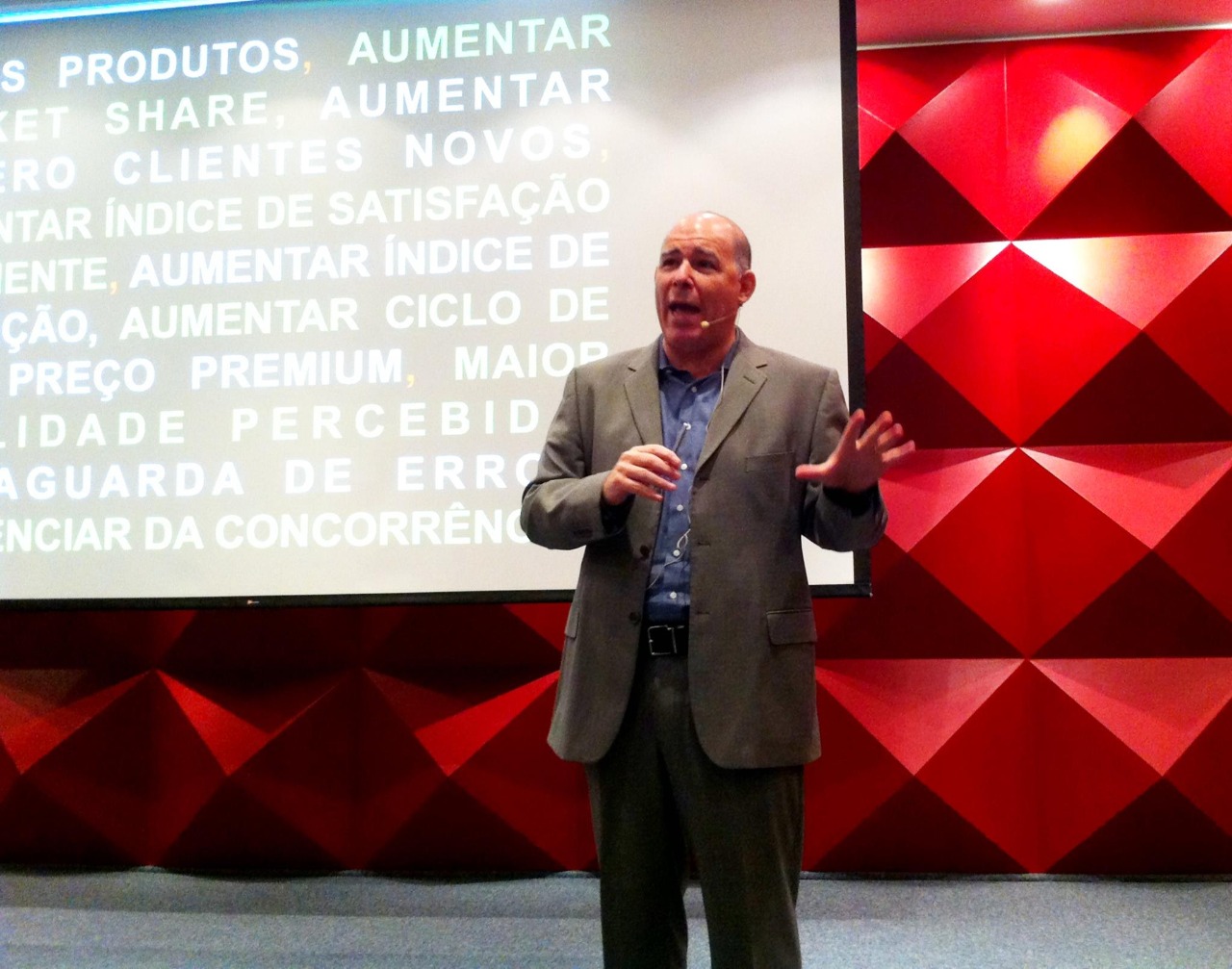
“We have to root for Brazil to recover from COVID-19, with the least possible impact on the economy, which will be very difficult. And the great challenge is generating income, economic development,” says Dr. Roberto Kanter, CEO of Canal Vertical; of Marketing & Sales Neomode; professor at Fundação Getúlio Vargas (FGV) and at the Federal University of Rio de Janeiro (UFRJ); and Mentor Endeavor.
“The population will not be improved by decree, the population will be better off when the economy reaches an adequate level of development. This is a great challenge,” adds Roberto Kanter.
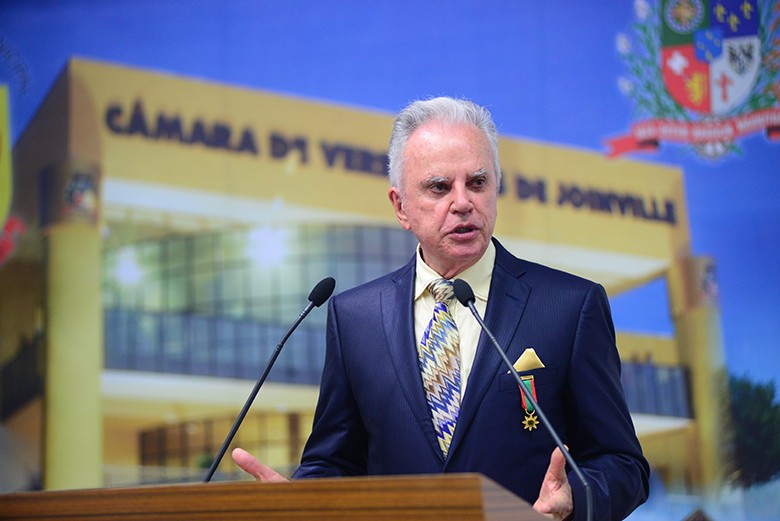
The Provisional Measure about to be voted in the Chamber’s plenary session has been amended 44 times by deputies and senators from different parties. However, the amendments have not been taken into consideration. “All of them with meritorious purposes seeking an increase even greater than this, of the INPC index and, unfortunately, within the current conditions, the government has constraints against adding more funds to the minimum wage. Each R$1 increase in the minimum wage represents R$330 million more in the government budget,” says the rapporteur Coronel Armando.
“We didn’t accept the amendments and we hope that when we vote on this MP deputies from all parties will understand our responsibility to uphold the federal government’s budget,” Armando says.
According to him, the government is running short of cash, due to the emergency aid granted to various segments of the Brazilian population. “We are adding the R$600 emergency aid, aid for micro and small businesses, and R$60 billion for state and municipal governments. So the government has reached a stage of [fiscal] equilibrium and this responsibility must rest with all of us in the legislative branch,” he says.
Zero chance of increase
The economist and professor Roberto Kanter agrees with the deputy. “In my opinion the chance of an increase is zero.” According to him, it would be inconsistent to ask legislators not to grant an increase to the civil service, while wanting to increase the minimum wage.
“In the agreement between the governors and President Bolsonaro, they made the commitment not to increase the civil servants’ wages for the next 18 months, so the chance of having an increase today is zero, with COVID-19, where the government is being compelled to unplanned spending and therefore runs a serious risk of further increasing the Brazilian fiscal deficit, in my opinion,” says Kanter.
The goal must be to save jobs, says Kanter: “The greatest issue today is unemployment, not the wage amount. It is easier to get the cure for COVID-19 than to double the minimum wage. So there is no such thing. As the deputy says, and he is right”.
More: Brazil news in English, every day from The Rio Times.
Editorial responsibility: Matthias Camenzind, Editor-in-Chief · Editorial standards · Report an error