Today’s Chile Could be Tomorrow’s Brazil, Economists Say
RIO DE JANEIRO, BRAZIL – If people stick their heads in an oven and their legs and trunk in a refrigerator, they will suffer greatly, despite having a good overall average body temperature. This is an anecdote used by economics professors to alert students that raw numbers do not reflect social reality.

Like this comparison, the protests in Chile show that, although the South American country has better economic indicators than those in Brazil, the population is suffering because the wealthy are more moneyed and the poor are more miserable.
What went wrong with the Chilean economy? Does Brazil have anything to learn? Compare indicators from Chile and Brazil:
Minimum wage: R$1,700 (US$425) (Chile) / R$998 (Brazil)
Average annual income: US$25,200 (Chile) / US$15,700 (Brazil)
Unemployment: 7.3 percent (Chile) / 12.2 percent (Brazil)
Inflation: 2.4 percent (Chile) / 2.9 percent (Brazil)
Expected GDP growth this year: 2.9 percent (Chile) / less than one percent (Brazil)
“The greatest problem in Chile is the poor distribution of income,” says Paulo Feldmann, a professor at the School of Economics, Business and Accounting at the University of São Paulo (USP).
Private pensions and suicide among the elderly
According to Carlos Eduardo Carvalho, an economist and professor at the Pontifical Catholic University (PUC) in São Paulo, one of the main symptoms of this inequality in Chile is the retirement system. “The issue of social welfare is very serious,” he said.
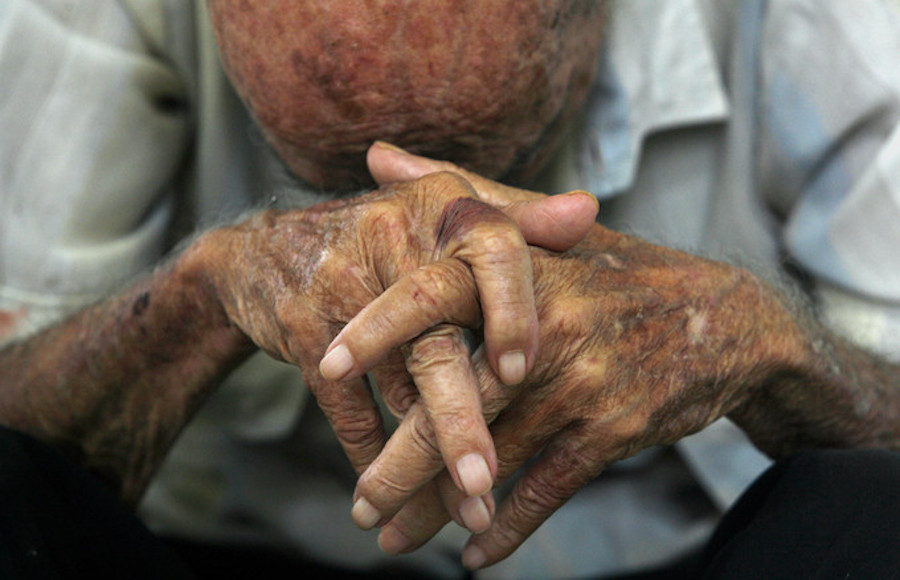
The welfare system, which was public, changed in the 1980s. Each worker had to provide their own savings for the future. Without a single cent from the government or companies, people had to set aside between ten and fifteen percent of their income for retirement, placing the money in private companies to invest in the financial market.
As the minimum age for retirement is 60 for women and 65 for men, people have only now realized that this provision is not enough to pay the bills. And they have no one to turn to.
This scenario has brought despair to many elderly people. According to figures from the Chilean government itself, the number of suicides among people over 80 has reached 17.7 for every 100,000 inhabitants, the highest percentage in Latin America.
Copper price has dropped; Chilean peso is devalued
The economist says that the Chilean economy is based on the export of primary products. Copper, Chile’s main source of wealth, is now worth 40 percent less than in 2011. Chile’s peso is also depreciating. It has dropped 25 percent since February last year.
When the government decided to increase the subway fare, it was like lighting a match near a gasoline drum, just as in 2013 in Brazil when a bus fare increase of R$0.20 triggered civil unrest throughout the country.
There are few places in the world where the wealthiest one percent of the population earns more than 25 percent of the country’s total income. In Latin America, this is the case in only two countries: Chile and Brazil.
Chile was the first country in Latin America to adopt strictly neoliberal politics, when the government believes the market solves almost everything. Bolsonaro seems determined to follow that same path. But the truth is, the government often needs to plan the economy.
Source: UOL
More: Brazil news in English, every day from The Rio Times.
This article was produced by The Rio Times’ automated newsroom system. How we use AI · Report an error · Editorial responsibility: Matthias Camenzind, Editor-in-Chief