Government Retreats from Decision to Exclude 17 Occupations from MEI Program
RIO DE JANEIRO, BRAZIL – Following criticism of the government, President Jair Bolsonaro ordered the Federal Treasury to submit a proposal to revoke the resolution published in the Federal Gazette, which excluded 17 occupations from the Individual Micro-entrepreneur (MEI) program, as of January 1st.

The list included independent private teachers, astrologers, and beauticians, as well as three subclasses, aimed at the development and licensing of computer programs.
In addition, occupations related to the cultural sector (DJs, VJs, comedians or storytellers, performing arts instructors, art and culture instructors, music instructors, and bar owners) were excluded.
SEBRAE (Micro and Small Business Support Service) estimates that exclusions would affect over 611,000 professionals.
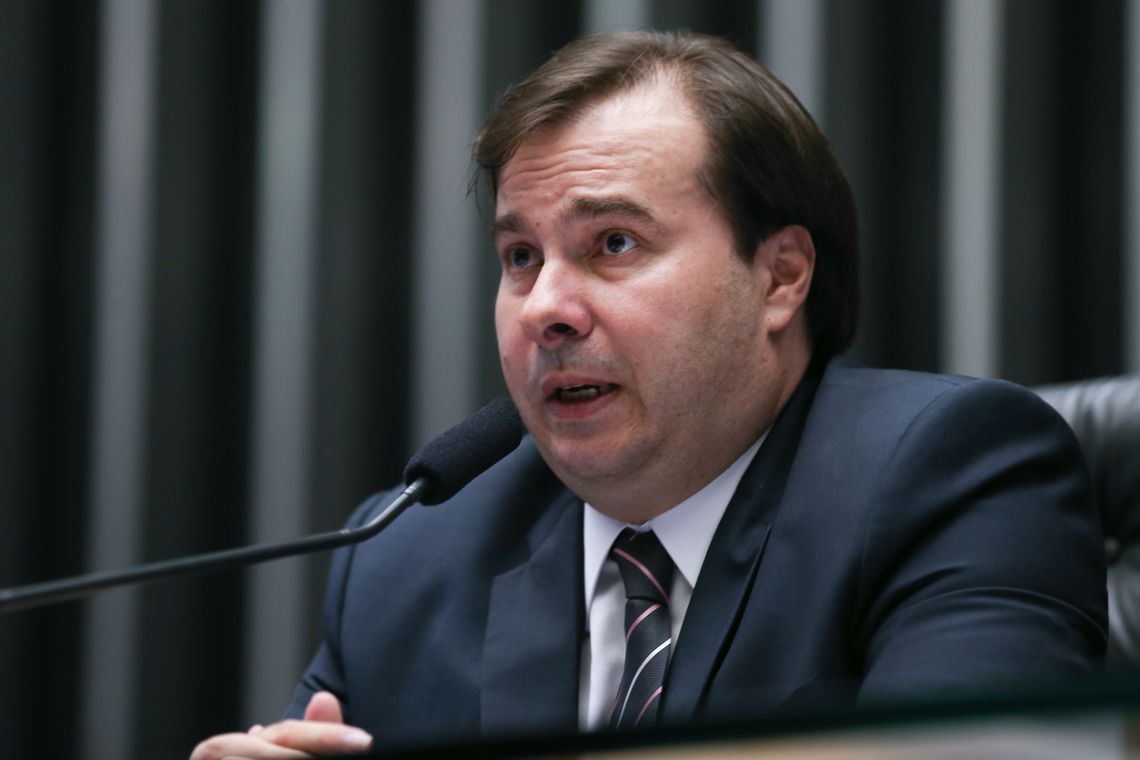
The measure was widely criticized on social media. On Twitter, Chamber president Rodrigo Maia announced that Congress would overthrow exclusion by means of a legislative decree. “This is a decision that makes no sense. Culture is the soul of our democracy,” he wrote.
The Treasury reported this Saturday that the Executive Secretariat of ‘Simples Nacional’ (SE-CGSN) will submit to its Steering Committee (CGSN) the proposal to repeal the measure. The committee is made up of representatives of federal, state and municipal gpvernments.
Along with the repeal, the government will propose a “broad review” of the list of some 500 occupations that may act as MEI (Individual Micro-entrepreneurs). According to the Treasury, the review will be conducted “considering the economic dynamics that result in the ongoing emergence and transformation of new occupations”.
The exclusion of occupations was published on Friday in the Federal Gazette. The text is signed by the Federal Treasury Special Secretary, José Barroso Tostes Neto. The same resolution included five other categories in the MEI, such as App drivers, locksmiths, and greengrocers. (See below in detail.)
The MEI allows small entrepreneurs with annual revenues of up to R$81,000 to pay lower taxes such as INSS (Social Security), ICMS (Tax on the Circulation of Goods and Services) and ISS (Municipal Service Tax). Among the advantages is the issuance of a fixed-price bill of R$55.90 per month in terms of IR (Corporate income tax).
Once formalized, the MEI can issue an invoice and benefit from social welfare, such as retirement by age, maternity leave, and sickness benefit. The INSS contribution is readjusted whenever there is an increase in the minimum wage. The social welfare benefit is also increased in this case.
The Individual Micro-entrepreneur program completed ten years in 2019. According to data released by SEBRAE, the MEI is the only source of income for 1.7 million families in Brazil and was accountable for removing more than two million entrepreneurs from the informal economy.
Excluded occupations:
- independent astrologer
- independent singer/musician
- custom software development
- development and licensing of customizable computer programs
- development and licensing of non-customizable computer programs
- independent disc jockey (DJ) or video jockey (VJ)
- independent beautician
- humorist and independent storyteller
- independent general art and culture instructor
- independent performing arts instructor
- independent management course instructor
- independent preparatory course instructor
- independent language trainer
- independent computer instructor
- independent music instructor
- freelance private tutor
- independent bar owner and similar, with entertainment
Occupations included:
- independent driver (by App or otherwise)
- independent greengrocer
- locksmith, except for frames, on-demand or otherwise, independent
- collective inter-municipal passenger transport under freight in an independent metropolitan area
- collective municipal passenger transport under independent freight
More: Brazil news in English, every day from The Rio Times.
Editorial responsibility: Matthias Camenzind, Editor-in-Chief · Editorial standards · Report an error
Brazil runoff, Sunday, October 25: Brazil runoff start time and results schedule. Latest: Brazil runoff polls, Flávio 51%, Lula 49%.