Organizations Alert UN to Growing Threat to Brazil’s Isolated Indians
RIO DE JANEIRO, BRAZIL – They are the most vulnerable among the vulnerable. Three Brazilian NGOs have joined forces to alert the United Nations to the serious threat posed by the dismantling of Brazil’s environmental policy for isolated indigenous peoples, those who have no contact with other ethnic groups, whether indigenous or not.

These organizations warn that the increase in deforestation and invasions by illegal miners and loggers has been much more pronounced in the lands where the presence of these communities has been confirmed – or where they are believed to live, since there are only superficial records of many of them – particularly sensitive to disease and the disappearance of flora and fauna.
The Social and Environmental Institute, the Arns Commission and Conectas Human Rights have prepared a report that “details the process of dismantling of environmental and indigenous policies by this Government” which, led by Jair Bolsonaro, took office almost 14 months ago. Since the electoral campaign, the former military officer has announced his plan to allow economic exploitation of indigenous lands — the bill is currently in Congress — and to undermine environmental policy.
Indigenous leader David Kopenawa Yanomami will be in charge of presenting the study at the UN Human Rights Council on March 3rd in Geneva, Switzerland. Brazil is the country with the highest number of isolated indigenous peoples. The presence of 28 communities has been confirmed and the existence of 86 other communities is under study, according to the report by ISA, the Arns Commission and Conectas, which include official figures.
One of the measures that best represents the radical shift fostered by Bolsonaro is the appointment of a former evangelical missionary to command the body responsible for the protection of isolated and recently contacted Indians. The diseases of non-Indians and evangelizers are two of the greatest threats to these groups since the landing of the Jesuits during the Portuguese conquest in 1500.
Ricardo Lopes Dias, the president’s nominee for the area, worked for many years with a North American organization called New Tribes Mission Brazil, a cult focused on indigenous peoples and with aggressive assimilation tactics. According to the Survival NGO, they proclaim that they intend to reach down to the very last ethnic group, because only then will Christ return.
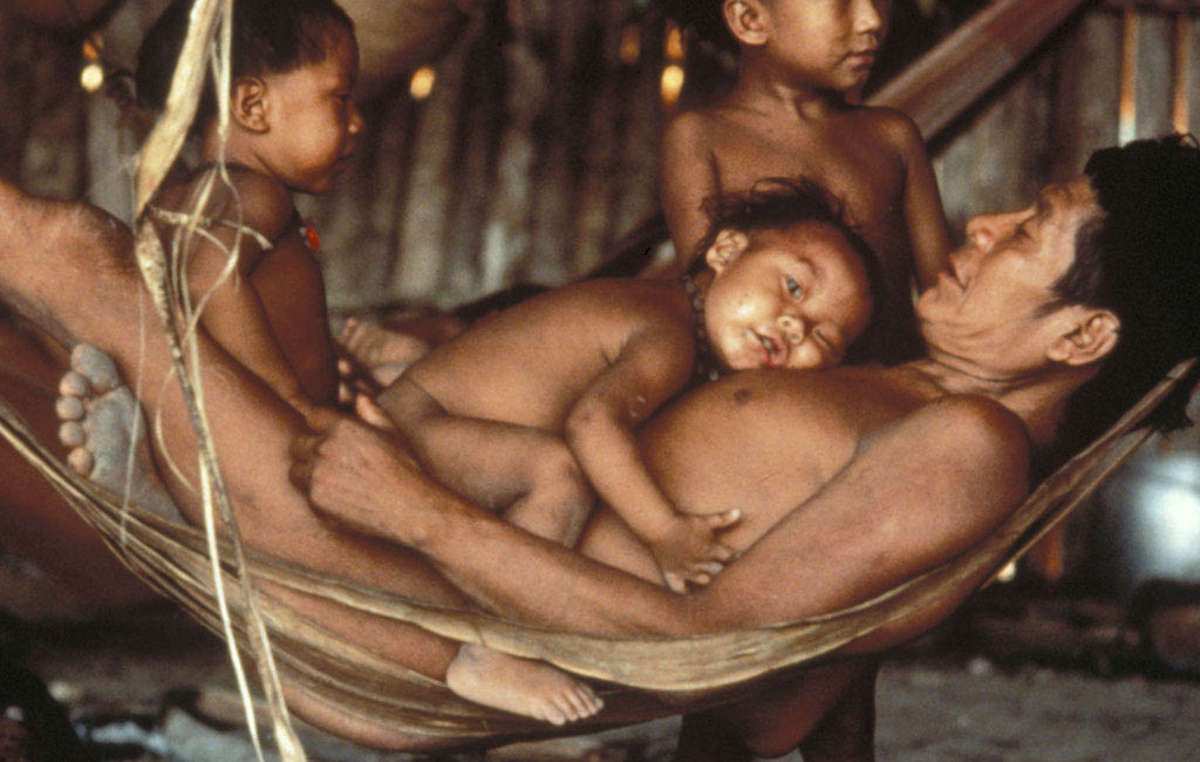
This kind of SOS that they intend to send to the UN is based on last year’s alarming balances. “More than 21,000 hectares were destroyed in 2019 alone on lands with isolated Indians, which represents an increase of 113 percent. This increase is much higher than the average in the Amazon and in protected areas (by law) in general, which shows the increase in illegalities and invasions and the severity of the issue”.
The NGOs point to four cases of imminent danger: the ongoing presence of missionaries in the Javari Valley, the indigenous land with more isolated peoples, as well as the murder of a former employee of the National Indian Foundation (FUNAI) and the attack on one of its bases.
On Yanomami lands the threat are the 20,000 miners who have destroyed 300,000 hectares and who, with their mercury, are polluting the rivers; the 60 isolated Awá indigenous people, recently filmed and living in a reserve where illegal loggers have built more than 1,000 kilometers of roads to extract their ore and where an indigenous person on a flora surveillance patrol was murdered; the fourth group in serious danger was last seen fleeing the fires on Bananal Island.
In line with the findings of a summit of indigenous leaders held in the Brazilian Amazon in January, the NGO trio alerts to the growing risk of ethnocide and genocide, although neither term features in the document to be presented to the UN.
The NGOs call on the UN to demand that the Brazilian government strengthen official bodies for the protection of indigenous peoples (FUNAI), the environment (IBAMA), biodiversity (the Chico Mendes Institute) and those in charge of inspection, notably undermined in recent months by a number of measures that have led all of Brazil’s former Environment Ministers to jointly voice their concern. They also call for greater investment to locate isolated indigenous peoples and for the demarcation of indigenous lands (which gives them legal protection) to be reinstated.
Source: El País
More: Brazil news in English, every day from The Rio Times.
This article was produced by The Rio Times’ automated newsroom system. How we use AI · Report an error · Editorial responsibility: Matthias Camenzind, Editor-in-Chief