IBOV 187,206.89 ▼ 0.56% IPSA 11,220.60 ▼ 0.16% IPC MEX 63,924.77 ▼ 0.28% MERVAL 3,098,898 ▼ 1.87% COLCAP 2,589.69 ▼ 1.41% BVL PERÚ 59,373.28 ▼ 0.32% USD/BRL5.13▲ 0.40% USD/MXN16.96▼ 0.14% USD/CLP941.13— 0.00% USD/COP3,077▼ 1.03% USD/PEN3.35▲ 0.03% USD/ARS1,509▼ 0.28% USD/UYU40.26▲ 3.12% USD/PYG5,903▲ 3.23% USD/BOB11.98▼ 2.70% USD/DOP58.96▲ 0.79% USD/CRC447.55▲ 1.57% USD/GTQ7.63▲ 2.98% USD/HNL26.85▲ 0.57% USD/NIO36.62▲ 2.58% USD/VES830.41▼ 0.13% USD/PAB1.00— 0.00% USD/BZD2.00— 0.00% USD/JMD 157.28 — 0.00% USD/TTD6.74▲ 2.35% EUR/BRL5.95▲ 0.25% BRENT 88.88 ▼ 0.03% WTI 83.11 ▼ 0.11% IRON ORE 161.91 — — COPPER 6.61 ▲ 0.03% GOLD 4,461 ▲ 1.78% SILVER 65.59 ▲ 1.26% SOY 1,184 ▲ 3.20% CORN 480.50 ▲ 10.02% WHEAT 655.00 ▲ 3.93% COFFEE 317.25 ▼ 5.51% SUGAR 16.43 ▼ 1.79% ORANGE JUICE 138.55 ▼ 0.47% COTTON 85.03 ▲ 2.33% COCOA 5,719 ▲ 3.18% BEEF 223.60 ▼ 3.93% CATTLE 339.10 ▼ 3.16% LITHIUM 75.20 ▲ 1.47% PETR4 41.64 ▼ 0.05% VALE3 72.97 ▲ 0.83% ITUB4 38.60 ▼ 1.03% BBDC4 16.85 ▲ 0.36% ABEV3 14.89 ▼ 0.80% BBAS3 19.37 ▲ 0.47% B3SA3 14.26 ▼ 0.21% WEGE3 47.59 ▲ 0.49% PRIO3 59.14 ▼ 0.19% SUZB3 41.33 ▲ 2.35% RENT3 34.68 ▼ 0.09% AZZA3 15.89 ▼ 2.63% CSAN3 3.22 ▼ 1.83% RAIZ4 0.25 — 0.00% PCAR3 2.75 ▼ 0.36% GMAT3 3.65 ▼ 1.08% PSSA3 48.13 ▼ 0.54% CVCB3 1.33 ▼ 2.92% POSI3 3.36 ▲ 2.44% SLCE3 13.34 ▲ 0.30% NATU3 8.14 ▼ 0.73% IBOV 187,206.89 ▼ 0.56% IPSA 11,220.60 ▼ 0.16% IPC MEX 63,924.77 ▼ 0.28% MERVAL 3,098,898 ▼ 1.87% COLCAP 2,589.69 ▼ 1.41% BVL PERÚ 59,373.28 ▼ 0.32% USD/BRL 5.16 ▲ 0.01% USD/MXN 17.06 ▼ 0.24% USD/CLP 913.98 ▲ 0.04% USD/COP 3,140 ▲ 0.03% USD/PEN 3.36 ▼ 0.66% USD/ARS 1,493 ▲ 0.10% USD/UYU 40.27 ▲ 1.24% USD/PYG 5,939 ▲ 1.68% USD/BOB 11.64 ▼ 0.76% USD/DOP 58.34 ▲ 1.25% USD/CRC 445.92 ▲ 0.89% USD/GTQ 7.62 ▲ 2.21% USD/HNL 26.79 ▲ 1.57% USD/NIO 36.62 ▲ 0.69% USD/VES 762.44 ▼ 0.13% USD/PAB 1.00 — 0.00% USD/BZD 2.00 — 0.00% USD/JMD 157.28 — 0.00% USD/TTD 6.70 ▲ 0.61% EUR/BRL 5.95 ▲ 1.01% BRENT 88.88 ▼ 0.03% WTI 83.11 ▼ 0.11% IRON ORE 161.91 — — COPPER 6.61 ▲ 0.03% GOLD 4,461 ▲ 1.78% SILVER 65.59 ▲ 1.26% SOY 1,184 ▲ 3.20% CORN 480.50 ▲ 10.02% WHEAT 655.00 ▲ 3.93% COFFEE 317.25 ▼ 5.51% SUGAR 16.43 ▼ 1.79% ORANGE JUICE 138.55 ▼ 0.47% COTTON 85.03 ▲ 2.33% COCOA 5,719 ▲ 3.18% BEEF 223.60 ▼ 3.93% CATTLE 339.10 ▼ 3.16% LITHIUM 75.20 ▲ 1.47% PETR4 41.64 ▼ 0.05% VALE3 72.97 ▲ 0.83% ITUB4 38.60 ▼ 1.03% BBDC4 16.85 ▲ 0.36% ABEV3 14.89 ▼ 0.80% BBAS3 19.37 ▲ 0.47% B3SA3 14.26 ▼ 0.21% WEGE3 47.59 ▲ 0.49% PRIO3 59.14 ▼ 0.19% SUZB3 41.33 ▲ 2.35% RENT3 34.68 ▼ 0.09% AZZA3 15.89 ▼ 2.63% CSAN3 3.22 ▼ 1.83% RAIZ4 0.25 — 0.00% PCAR3 2.75 ▼ 0.36% GMAT3 3.65 ▼ 1.08% PSSA3 48.13 ▼ 0.54% CVCB3 1.33 ▼ 2.92% POSI3 3.36 ▲ 2.44% SLCE3 13.34 ▲ 0.30% NATU3 8.14 ▼ 0.73%
since 2009
Saturday, September 12, 2026

Refugees Struggle to Revalidate Diplomas in Brazil, Says UNHCR

By · September 7, 2019 · 3 min read

The LatAm Brief

One email, every weekday morning. What moved in Latin American markets, politics and expat life.

Yesterday’s subject line: “'The false peace is over' - Colombia”

Free. We send a confirmation link first — nothing arrives until you click it. Unsubscribe with one click in any edition. If you stop opening us for 30 days we stop sending by ourselves, as we assume the interest is no longer there. See our privacy policy. We never share your email.

RIO DE JANEIRO, BRAZIL – Foreigners required to revalidate their higher education qualifications face various administrative barriers in Brazil, according to the United Nations High Commissioner for Refugees in Brazil (UNHCR). Among the difficulties are the high fees charged by some universities, the high costs of translating documents and the complications of presenting all the required supporting documents.
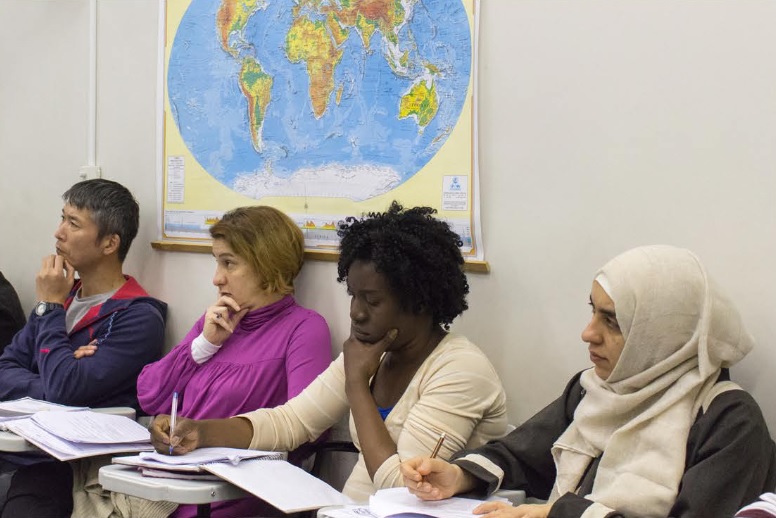
Foreigners required to revalidate their higher education qualifications face various administrative barriers in Brazil, according to the United Nations High Commissioner for Refugees in Brazil (UNHCR).
One-stop reference
Company Intelligence
Every listed company in Latin America — financials, ownership and structure for 1,450+ companies across 26 exchanges, in one place.
Browse the directory →
RT
Ask Rio Times
This story and the bigger picture.
Open the full Ask Rio Times →

Since 2016, UNHCR has partnered with Compassiva, a non-governmental organization (NGO) to help refugees revalidate their qualifications. The rules for the procedure were set out in a Ministry of Education ordinance in 2016.

By August 2019, the organization had submitted 181 applications for the graduate status of refugees, completed in their country of origin, to be officially recognized in Brazil. Of these, 34 have already been accepted and 15 have been denied. Most of them (116) are still awaiting consideration and 16 have been closed.

Most of the requests are from people who left Syria or Palestine (55 percent) and Venezuelans (24 percent). The institution receiving the majority of cases was the Universidade Federal Fluminense, with 86 cases, 17 of which have been revalidated and 13 have been rejected. The Federal University of Rio de Janeiro has received 23 cases and accounts for eight revalidations.

The State University of Campinas has received 19 applications and has granted three revalidations.

Constraints and costs

For André Leitão, the president of Compassiva, the regulation allowing only public universities to revalidate degrees creates a “bottleneck effect”, overloading these institutions and causing delays in the analysis of files.

Camila Sombra, UNHCR's long-term solutions assistant, points out that some required documents, such as the content of the subjects studied, can be very difficult to be obtained by a refugee.
Camila Sombra, UNHCR’s long-term solutions assistant, points out that some required documents, such as the content of the subjects studied, can be very difficult for a refugee to obtain.

Furthermore, Leitão complains about the high costs involved in applications. “In some cases, a sworn translation is very expensive. We had a budget of up to R$16,000 for a sworn translation case. It’s a very high amount for any person, of any nationality, let alone someone who is a refugee in the country,” he illustrated.

Leitão also said that there is no limit to the fees that can be charged by universities, which, according to him, may exceed R$7,000.

Camila Sombra, UNHCR’s long-term solutions assistant, said institutions need to be more sensitive in conducting these cases. She points out that some required documents, such as the content of the subjects studied abroad, can be very difficult for a refugee to obtain.

“We are talking about those who have fled due to conflict, fear and political persecution. Sometimes there is no longer a university where these people studied,” she said.

Reducing red tape

For Leitão, the reduction of red tape in the procedures should benefit not only refugees but also migrants and Brazilians who have attended universities abroad. “It must be performed in a more transparent and humane way”, he defended.

According to UNHCR, 80,000 refugee applications were submitted to the Brazilian government in 2018. Out of that total, 61,700 were Venezuelans. Among the applications accepted, 11,200 were from Syrians, corresponding to 51 percent of the granted requests.

This article was produced by The Rio Times’ automated newsroom system. How we use AI · Report an error

Read More from The Rio Times

The Rio Times · Power Map
See who really holds power in Latin America
Click to open the Power Map

Rotate for Best Experience

This report is optimized for landscape viewing. Rotate your phone for the full experience.