IBOV 171,031.73 ▲ 1.85% IPSA 11,338.38 ▲ 0.89% IPC MEX 65,729.18 ▲ 2.14% MERVAL 2,913,184 ▲ 1.30% COLCAP 2,459.23 ▲ 0.61% BVL PERÚ 58,698.13 ▲ 2.60% USD/BRL5.14— 0.00% USD/MXN16.93▲ 0.13% USD/CLP914.28— 0.00% USD/COP3,044▲ 0.05% USD/PEN3.36▲ 0.04% USD/ARS1,499▼ 0.03% USD/UYU40.20— 0.00% USD/PYG5,996— 0.00% USD/BOB11.43— 0.00% USD/DOP58.61▼ 0.07% USD/CRC450.05— 0.00% USD/GTQ7.62— 0.00% USD/HNL26.81▲ 1.55% USD/NIO36.62— 0.00% USD/VES782.70▼ 0.13% USD/PAB1.00— 0.00% USD/BZD2.00— 0.00% USD/JMD 157.28 — 0.00% USD/TTD6.71— 0.00% EUR/BRL6.00▲ 0.03% BRENT 88.88 ▼ 0.03% WTI 83.11 ▼ 0.11% IRON ORE 161.91 — — COPPER 6.61 ▲ 0.03% GOLD 4,461 ▲ 1.78% SILVER 65.59 ▲ 1.26% SOY 1,184 ▲ 3.20% CORN 480.50 ▲ 10.02% WHEAT 655.00 ▲ 3.93% COFFEE 317.25 ▼ 5.51% SUGAR 16.43 ▼ 1.79% ORANGE JUICE 138.55 ▼ 0.47% COTTON 85.03 ▲ 2.33% COCOA 5,719 ▲ 3.18% BEEF 223.60 ▼ 3.93% CATTLE 339.10 ▼ 3.16% LITHIUM 75.20 ▲ 1.47% PETR4 41.64 ▼ 0.05% VALE3 72.97 ▲ 0.83% ITUB4 38.60 ▼ 1.03% BBDC4 16.85 ▲ 0.36% ABEV3 14.89 ▼ 0.80% BBAS3 19.37 ▲ 0.47% B3SA3 14.26 ▼ 0.21% WEGE3 47.59 ▲ 0.49% PRIO3 59.14 ▼ 0.19% SUZB3 41.33 ▲ 2.35% RENT3 34.68 ▼ 0.09% AZZA3 15.89 ▼ 2.63% CSAN3 3.22 ▼ 1.83% RAIZ4 0.25 — 0.00% PCAR3 2.75 ▼ 0.36% GMAT3 3.65 ▼ 1.08% PSSA3 48.13 ▼ 0.54% CVCB3 1.33 ▼ 2.92% POSI3 3.36 ▲ 2.44% SLCE3 13.34 ▲ 0.30% NATU3 8.14 ▼ 0.73% IBOV 171,031.73 ▲ 1.85% IPSA 11,338.38 ▲ 0.89% IPC MEX 65,729.18 ▲ 2.14% MERVAL 2,913,184 ▲ 1.30% COLCAP 2,459.23 ▲ 0.61% BVL PERÚ 58,698.13 ▲ 2.60% USD/BRL 5.16 ▲ 0.01% USD/MXN 17.06 ▼ 0.24% USD/CLP 913.98 ▲ 0.04% USD/COP 3,140 ▲ 0.03% USD/PEN 3.36 ▼ 0.66% USD/ARS 1,493 ▲ 0.10% USD/UYU 40.27 ▲ 1.24% USD/PYG 5,939 ▲ 1.68% USD/BOB 11.64 ▼ 0.76% USD/DOP 58.34 ▲ 1.25% USD/CRC 445.92 ▲ 0.89% USD/GTQ 7.62 ▲ 2.21% USD/HNL 26.79 ▲ 1.57% USD/NIO 36.62 ▲ 0.69% USD/VES 762.44 ▼ 0.13% USD/PAB 1.00 — 0.00% USD/BZD 2.00 — 0.00% USD/JMD 157.28 — 0.00% USD/TTD 6.70 ▲ 0.61% EUR/BRL 5.95 ▲ 1.01% BRENT 88.88 ▼ 0.03% WTI 83.11 ▼ 0.11% IRON ORE 161.91 — — COPPER 6.61 ▲ 0.03% GOLD 4,461 ▲ 1.78% SILVER 65.59 ▲ 1.26% SOY 1,184 ▲ 3.20% CORN 480.50 ▲ 10.02% WHEAT 655.00 ▲ 3.93% COFFEE 317.25 ▼ 5.51% SUGAR 16.43 ▼ 1.79% ORANGE JUICE 138.55 ▼ 0.47% COTTON 85.03 ▲ 2.33% COCOA 5,719 ▲ 3.18% BEEF 223.60 ▼ 3.93% CATTLE 339.10 ▼ 3.16% LITHIUM 75.20 ▲ 1.47% PETR4 41.64 ▼ 0.05% VALE3 72.97 ▲ 0.83% ITUB4 38.60 ▼ 1.03% BBDC4 16.85 ▲ 0.36% ABEV3 14.89 ▼ 0.80% BBAS3 19.37 ▲ 0.47% B3SA3 14.26 ▼ 0.21% WEGE3 47.59 ▲ 0.49% PRIO3 59.14 ▼ 0.19% SUZB3 41.33 ▲ 2.35% RENT3 34.68 ▼ 0.09% AZZA3 15.89 ▼ 2.63% CSAN3 3.22 ▼ 1.83% RAIZ4 0.25 — 0.00% PCAR3 2.75 ▼ 0.36% GMAT3 3.65 ▼ 1.08% PSSA3 48.13 ▼ 0.54% CVCB3 1.33 ▼ 2.92% POSI3 3.36 ▲ 2.44% SLCE3 13.34 ▲ 0.30% NATU3 8.14 ▼ 0.73%
since 2009
Monday, August 24, 2026

Brazil Life & Society

Uneven Real Estate Market Rebound Centered in Brazil’s Southeast

By · February 25, 2020 · 3 min read

Daily Brief

The morning intel from across Latin America. Free.

By subscribing you agree to our privacy policy. We never share your email.

SÃO PAULO, BRAZIL – While in São Paulo the construction industry is starting to rebound from one of the greatest crises in its history, in much of Brazil the sector is still slow to react. Last year, construction companies continued to reduce jobs in 14 of Brazil’s 26 states, according to a survey by the São Paulo State Civil Construction Union (SindusCon-SP).

In São Paulo the construction industry is starting to rebound from one of the greatest crises in its history.
In São Paulo the construction industry is starting to rebound from one of the greatest crises in its history. (Photo: internet reproduction)
One-stop reference
Company Intelligence
Every listed company in Latin America — financials, ownership and structure for 1,450+ companies across 26 exchanges, in one place.
Browse the directory →
RT
Ask Rio Times
Latin American markets, currencies and companies.
Open the full Ask Rio Times →

However, according to the survey, the average number of jobs in construction increased 1.88 percent in Brazil in 2019. This growth was partly driven by the State of São Paulo, which last year accounted for 27 percent of the sector’s jobs in Brazil.

SindusCon’s data shows that the rebound of one of the main drivers of the economy is mainly focused in the Southeast, a little in the South and in some capital cities in the Northeast. In regions such as the North, where the economy is more dependent on public policies and where the ‘Minha Casa Minha Vida’ (“My Home, My Life”) program has greater relevance, there are still no signs of a rebound.

Even in the State of São Paulo, where the figures are positive, the rebound is uneven. It is mainly focused in the state capital. A survey by Secovi-SP (Housing Union) shows that the number of launches in the city grew 49.6 percent last year, while in the metropolitan region it decreased 4.1 percent.

Economist Ana Maria Castelo, of the Brazilian Institute of Economics (FGV/IBRE), believes that between 2006 and 2013, a period in which construction accelerated, growth was not the same throughout the country, but it soon spread. “There was the PAC (Growth Acceleration Program), for one, a factor that helped growth to occur throughout the country. Today, it doesn’t have the same intensity of dynamic growth,” she says.

Critical situation

Tocantins, Roraima, and Ceará were the states with the worst employment indicators in construction in 2019, with an average decline of 19.9 percent, 8.7 percent, and 6.25 percent, respectively.
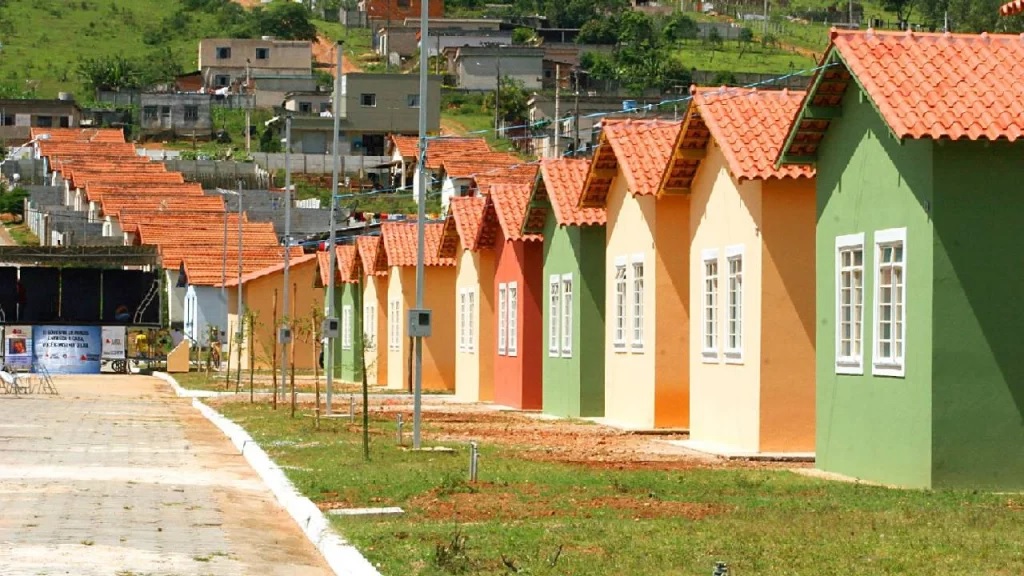
In regions such as the North, where the economy is more dependent on public policies and where the 'Minha Casa Minha Vida' ("My Home, My Life") program has greater relevance, there are still no signs of a rebound.
In regions such as the North, where the economy is more dependent on public policies and where the ‘Minha Casa Minha Vida’ (“My Home, My Life”) program has greater relevance, there are still no signs of a rebound. (Photo: internet reproduction)

According to the president of SindusCon in Ceará, Patriolino Dias de Sousa, the feeling is that the Ceará construction began to rebound from last year’s second half. “Before, stock was high and there were hardly any launches. In the last four years, developers were only completing works. But the drop in interest rates is starting to favor sales.”

As construction typically begins only six months after the developments are launched, Ceará’s construction companies are expected to start hiring now. Last year, launchings of real estate projects totaled some R$700 million (US$175 million) in sales in the state. Sousa expects the launchings to reach R$2 billion in 2020 – still far from the R$3.2 billion in 2014.

However, economists and professionals in the sector do not believe in a major change in the way construction will rebound this year. Eduardo Zaidan, SindusCon-SP’s vice-president of Economics, states that for growth to be achieved throughout the country, a more significant increase in investments would be required.

“When you make an investment, half the money goes to construction. That is why an improvement is so critical. If investment continues as it is, construction will continue more or less as it was last year,” Zaidan says.

Ana Maria, from the IBRE, also believes that 2020 should behave similarly to 2019, and there could be a slightly stronger growth in the level of employment at the end of the year. “If the (privatization) auctions go ahead, we may see an improved mood”.

Source: O Estado de S. Paulo

Read More from The Rio Times

The Rio Times · Power Map
See who really holds power in Latin America
Click to open the Power Map

Rotate for Best Experience

This report is optimized for landscape viewing. Rotate your phone for the full experience.