Where to find the best specialty coffee in Rio de Janeiro

Updated: August 2026
RIO DE JANEIRO, BRAZIL – According to the Specialty Coffee Association, specialty coffee is defined as one that is “free of primary defect, has no quakers [cracked beans], is properly sized and dried, presents in the cup free of faults and taints, and has distinctive attributes”. Beyond that, specialty coffee earns the label when it grows under specific conditions — microclimate, soil chemistry, husbandry — capable of producing uniquely flavored beans.
When it comes to coffee, Brazil reigns: the country is both the world’s largest producer and the leading exporter in the global coffee market. In Rio de Janeiro, coffee is woven into daily life and the local economy alike — and the gap between the commodity Brazil ships abroad and the cup served at home has narrowed dramatically in recent years.
Brazil’s internal market has embraced the specialty scene: consumption of higher-quality coffee has grown steadily year after year, and the Brazilian Association of Specialty Coffee (BSCA) now registers hundreds of producers, cooperatives, and cafeterias across the country certified for working with specialty-grade beans. For visitors and residents planning a longer stay, our Living in Rio de Janeiro: Expat Guide 2026 covers the neighborhoods where most of the cafés below are located.
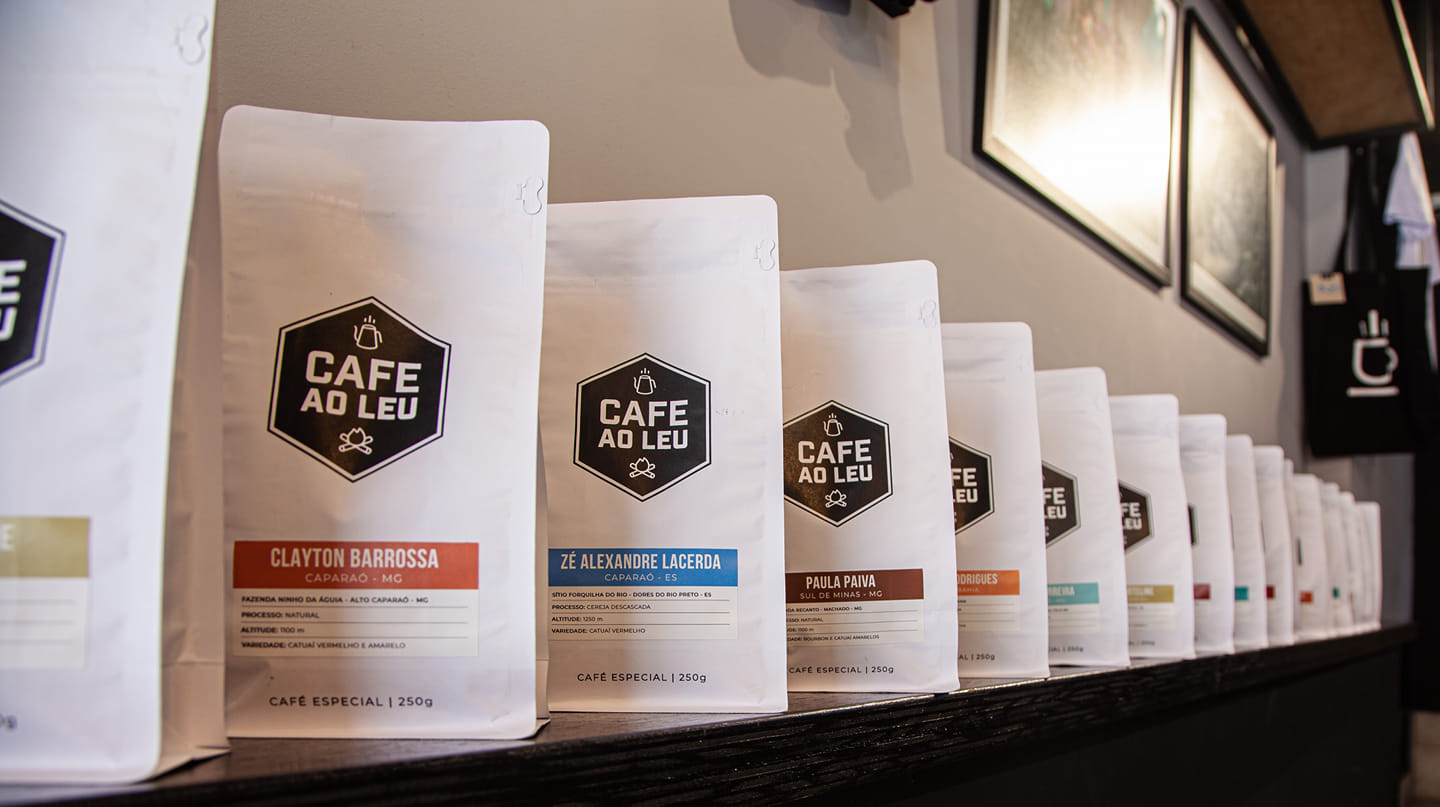
Rio’s specialty map has changed since we first published this guide in 2021. Some pioneers closed during the pandemic; others moved, expanded, or were replaced by a new generation of roasteries and coffee bars. The listicle below, fully revised for 2026, presents seven cafés where coffee lovers can get acquainted with the best of Brazil’s specialty coffee today.
1) Curto Café – A downtown institution that has become a symbol of the scene’s resilience. Founded on the concept of excellent local produce and transparent pricing, Curto closed during the pandemic in 2020 — a loss mourned by regulars — before making a celebrated return. The café now operates from Rua da Assembléia 10 in Centro, tucked inside a university building (head up the staircase and straight ahead; it is not easy to find, but worth it). Curto offers beautifully made espresso drinks alongside cakes, brownies, and sandwiches, plus an excellent retail range of beans to take home, from light to dark roasts and micro-lots — including Conilon, the robusta variety specialty purists once ignored. Open Monday to Friday, 8 AM to 8 PM.
2) Slow Bakery – Considered the pioneer of slow-fermented bread in Brazil, this Botafogo bakery remains the right place for excellent coffee paired with fresh sourdough. Part of the new wave of venues that transformed Botafogo’s food scene, Slow Bakery combines a relaxed vibe with serious technique: beyond the house blend, the menu rotates guest specialty coffees, and the baristas are enthusiastic advocates of filter methods such as the Clever dripper, Hario V60, and AeroPress. Some baristas in town still say Slow Bakery serves the best cup in Rio.
3) Fazenda Paradiso – Tucked away on a street linking Lapa to Centro, this family café is a genuine farm-to-cup operation: the family owns and runs both the two-story café and the Paradiso Farm in Santo Antônio do Amparo, Minas Gerais, where all the coffee served is grown. They cultivate five arabica strains — Bourbon, Icatu Amarelo, Icatu Vermelho, Catucaí, and Topázio — and control the entire process from growing and processing to roasting and serving. Fazenda Paradiso is also one of the few places in Rio that will sell you green beans if you want to try roasting at home. Open weekdays, 8 AM to 7 PM.
4) Coffee Five – Founded in 2018 by a tea sommelier and a barista, Coffee Five has held its ground and remains present in both Rio’s downtown and Barra da Tijuca. The available coffee varieties change regularly, and the menu also spans teas, drinks, and sweets. True to its founding spirit, the house still invests in education: latte art, barista skills, and brewing methods are among the courses offered — a good entry point for anyone wanting to go deeper into Brazil’s specialty coffee culture, which now has a full calendar of festivals and competitions.
5) Aussie Coffee – In the heart of Ipanema, Aussie Coffee is where Rio’s large international community goes for a proper flat white. Run by super-friendly staff headed by Australian owner Daniel Hobbs, it serves all-Brazilian beans with antipodean technique. The laid-back, co-working atmosphere — comfy corners, laptops, an international crowd — makes it as much a meeting point as a café, and a soft landing for expats still finding their Portuguese. Open every day, 9 AM to 5 PM.
6) Mini Joe Café – Copacabana’s specialty outpost opened in 2020 on the site previously occupied by the much-missed Sofá Café, continuing its predecessor’s tradition of taking coffee seriously a block from the Cardeal Arcoverde subway station. Mini Joe offers various preparation methods, staff happy to talk you through the options, and food well beyond the standard café fare. They sell beans and ground coffee to take home — a practical stop for visitors staying in the neighborhood. Open Monday to Saturday, 10 AM to 7 PM.
7) Café Lunático, Mato Café, and the next wave – Beyond the established names, a younger generation of specialty spots keeps pushing the scene forward. Independent guides to Rio’s specialty circuit — which now track around a dozen serious addresses across the city — consistently feature Café Lunático, Mato Café, and Dark Coffee among the places worth seeking out, a sign that the scene’s center of gravity is spreading beyond the traditional Zona Sul strongholds.
A few practical notes for 2026. Prices have risen with Brazil’s broader cost trajectory — a well-made espresso or filter coffee at the addresses above typically runs noticeably higher than the corner-padaria coado, as our Rio de Janeiro cost-of-living breakdown for 2026 makes clear — but still well below what the same quality costs in New York or London. Weekday mornings are the quietest time to visit downtown spots like Curto and Fazenda Paradiso, while Zona Sul cafés fill up after beach hours.
Brazil’s specialty scene will only continue to develop in the coming years — and Rio, once dismissed as a coffee desert despite sitting in the world’s largest producing country, has finally built a café culture to match its agricultural heritage. For more on the city, browse our Rio de Janeiro coverage and the rest of our guides section.
More: Brazil news in English, every day from The Rio Times.
Editorial responsibility: Matthias Camenzind, Editor-in-Chief · Editorial standards · Report an error
Living in or visiting Rio de Janeiro? See this month's events and our Rio de Janeiro city guide with rents, safety and upcoming concerts.