IBOV 171,031.73 ▲ 1.85% IPSA 11,338.38 ▲ 0.89% IPC MEX 65,729.18 ▲ 2.14% MERVAL 2,913,184 ▲ 1.30% COLCAP 2,459.23 ▲ 0.61% BVL PERÚ 58,698.13 ▲ 2.60% USD/BRL5.14▲ 0.02% USD/MXN16.93▲ 0.09% USD/CLP914.28— 0.00% USD/COP3,043— 0.00% USD/PEN3.36▲ 0.04% USD/ARS1,499▼ 0.03% USD/UYU40.20▲ 1.52% USD/PYG5,996▲ 1.39% USD/BOB11.43▲ 0.51% USD/DOP58.61▼ 0.07% USD/CRC450.05▲ 1.95% USD/GTQ7.62▲ 2.13% USD/HNL26.81▲ 1.55% USD/NIO36.62— 0.00% USD/VES782.70▼ 0.13% USD/PAB1.00— 0.00% USD/BZD2.00— 0.00% USD/JMD 157.28 — 0.00% USD/TTD6.71▲ 0.82% EUR/BRL6.00▼ 0.03% BRENT 88.88 ▼ 0.03% WTI 83.11 ▼ 0.11% IRON ORE 161.91 — — COPPER 6.61 ▲ 0.03% GOLD 4,461 ▲ 1.78% SILVER 65.59 ▲ 1.26% SOY 1,184 ▲ 3.20% CORN 480.50 ▲ 10.02% WHEAT 655.00 ▲ 3.93% COFFEE 317.25 ▼ 5.51% SUGAR 16.43 ▼ 1.79% ORANGE JUICE 138.55 ▼ 0.47% COTTON 85.03 ▲ 2.33% COCOA 5,719 ▲ 3.18% BEEF 223.60 ▼ 3.93% CATTLE 339.10 ▼ 3.16% LITHIUM 75.20 ▲ 1.47% PETR4 41.64 ▼ 0.05% VALE3 72.97 ▲ 0.83% ITUB4 38.60 ▼ 1.03% BBDC4 16.85 ▲ 0.36% ABEV3 14.89 ▼ 0.80% BBAS3 19.37 ▲ 0.47% B3SA3 14.26 ▼ 0.21% WEGE3 47.59 ▲ 0.49% PRIO3 59.14 ▼ 0.19% SUZB3 41.33 ▲ 2.35% RENT3 34.68 ▼ 0.09% AZZA3 15.89 ▼ 2.63% CSAN3 3.22 ▼ 1.83% RAIZ4 0.25 — 0.00% PCAR3 2.75 ▼ 0.36% GMAT3 3.65 ▼ 1.08% PSSA3 48.13 ▼ 0.54% CVCB3 1.33 ▼ 2.92% POSI3 3.36 ▲ 2.44% SLCE3 13.34 ▲ 0.30% NATU3 8.14 ▼ 0.73% IBOV 171,031.73 ▲ 1.85% IPSA 11,338.38 ▲ 0.89% IPC MEX 65,729.18 ▲ 2.14% MERVAL 2,913,184 ▲ 1.30% COLCAP 2,459.23 ▲ 0.61% BVL PERÚ 58,698.13 ▲ 2.60% USD/BRL 5.16 ▲ 0.01% USD/MXN 17.06 ▼ 0.24% USD/CLP 913.98 ▲ 0.04% USD/COP 3,140 ▲ 0.03% USD/PEN 3.36 ▼ 0.66% USD/ARS 1,493 ▲ 0.10% USD/UYU 40.27 ▲ 1.24% USD/PYG 5,939 ▲ 1.68% USD/BOB 11.64 ▼ 0.76% USD/DOP 58.34 ▲ 1.25% USD/CRC 445.92 ▲ 0.89% USD/GTQ 7.62 ▲ 2.21% USD/HNL 26.79 ▲ 1.57% USD/NIO 36.62 ▲ 0.69% USD/VES 762.44 ▼ 0.13% USD/PAB 1.00 — 0.00% USD/BZD 2.00 — 0.00% USD/JMD 157.28 — 0.00% USD/TTD 6.70 ▲ 0.61% EUR/BRL 5.95 ▲ 1.01% BRENT 88.88 ▼ 0.03% WTI 83.11 ▼ 0.11% IRON ORE 161.91 — — COPPER 6.61 ▲ 0.03% GOLD 4,461 ▲ 1.78% SILVER 65.59 ▲ 1.26% SOY 1,184 ▲ 3.20% CORN 480.50 ▲ 10.02% WHEAT 655.00 ▲ 3.93% COFFEE 317.25 ▼ 5.51% SUGAR 16.43 ▼ 1.79% ORANGE JUICE 138.55 ▼ 0.47% COTTON 85.03 ▲ 2.33% COCOA 5,719 ▲ 3.18% BEEF 223.60 ▼ 3.93% CATTLE 339.10 ▼ 3.16% LITHIUM 75.20 ▲ 1.47% PETR4 41.64 ▼ 0.05% VALE3 72.97 ▲ 0.83% ITUB4 38.60 ▼ 1.03% BBDC4 16.85 ▲ 0.36% ABEV3 14.89 ▼ 0.80% BBAS3 19.37 ▲ 0.47% B3SA3 14.26 ▼ 0.21% WEGE3 47.59 ▲ 0.49% PRIO3 59.14 ▼ 0.19% SUZB3 41.33 ▲ 2.35% RENT3 34.68 ▼ 0.09% AZZA3 15.89 ▼ 2.63% CSAN3 3.22 ▼ 1.83% RAIZ4 0.25 — 0.00% PCAR3 2.75 ▼ 0.36% GMAT3 3.65 ▼ 1.08% PSSA3 48.13 ▼ 0.54% CVCB3 1.33 ▼ 2.92% POSI3 3.36 ▲ 2.44% SLCE3 13.34 ▲ 0.30% NATU3 8.14 ▼ 0.73%
since 2009
Monday, August 24, 2026

Brazil Latest News

Wildlife Population in Forests Worldwide Halves Since 1970

By · August 15, 2019 · 2 min read

Daily Brief

The morning intel from across Latin America. Free.

By subscribing you agree to our privacy policy. We never share your email.

RIO DE JANEIRO, BRAZIL – Deforestation, poaching, disease and climate change. For wildlife living in the world’s forests, the last five decades have represented a massacre. According to a report published by the environmental non-governmental organization (NGO) World Wildlife Fund (WWF), the population of wild animals has decreased by half since 1970.
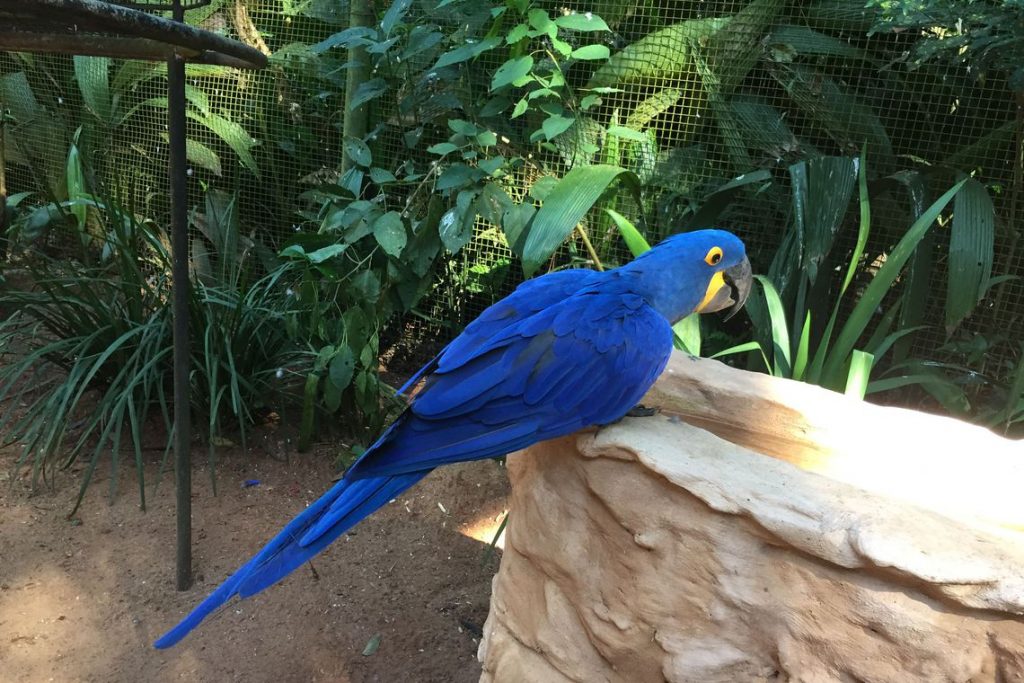
Hunting, the introduction of invasive species, the spread of diseases and climate change have also contributed to the loss of wildlife population.
Hunting, the introduction of invasive species, the spread of diseases, and climate change have contributed to the loss of wildlife population. (Photo internet reproduction)
One-stop reference
Company Intelligence
Every listed company in Latin America — financials, ownership and structure for 1,450+ companies across 26 exchanges, in one place.
Browse the directory →
RT
Ask Rio Times
17 years of Latin America reporting, on demand.
Open the full Ask Rio Times →

The study analyzed 455 populations of 268 species of mammals, reptiles, amphibians, and birds that live in forests and found that there was a 53 percent decline in the number of vertebrates between 1970 and 2014. WWF points out that the situation is particularly critical in the Amazon and other rainforests. The study further analyzed populations of temperate, boreal, and Mediterranean forests.

According to the NGO, 60 percent of losses are related to deforestation and drastic deterioration of animal populations’ habitat. The text also points out that hunting, the introduction of invasive species, the spread of diseases, and climate change have contributed to the situation, too.

In the case of Brazil, the WWF mentions logging as the main cause of the decline in the animal population, but fires have also had long-lasting effects on several species.

Temperate forests

In tropical forests such as the Amazon, the average population loss of studied species surpassed the increase in all groups combined. In temperate forests, the population growth of some species, particularly birds, helped to reverse the negative trend in the mean of all populations.
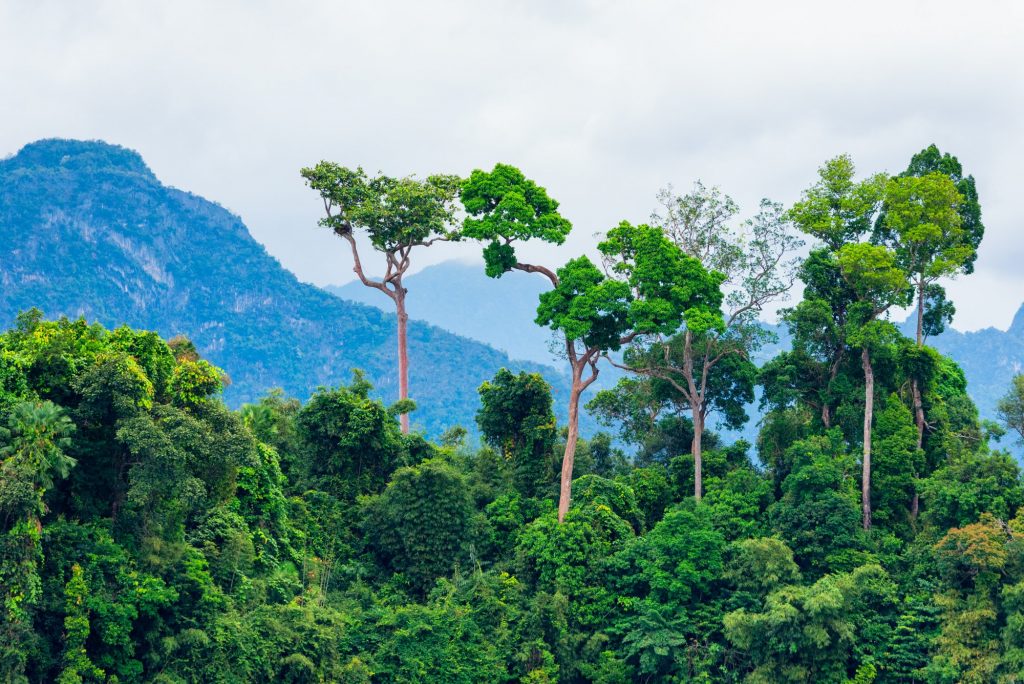
In tropical forests such as the Amazon, the average population loss of studied species surpassed the increase in all groups combined.
In tropical forests such as the Amazon, the average population loss of studied species surpassed the increase in all groups combined. (Photo internet reproduction)

Still, according to WWF, population decline in amphibians and reptiles has been particularly severe, while bird populations have recorded a greater number of positive growth years than of decline.

The study also provides several examples of how the population of some species may be restored. The increase in gorilla populations in Central and Eastern Africa, as a result of protective measures, and of monkeys in Costa Rica, are among the most optimistic cases mentioned by WWF.

In the case of Costa Rica, the trend towards increased protection and regeneration of the rainforest is positive, according to WWF. However, the NGO cautions that while forests are capable of retrieving their vegetation more rapidly, the vertebrate populations inhabiting these forests may need many decades to fully rebuild.

Finally, WWF notes that forests are essential if global biodiversity conservation goals are to be achieved, to fight climate change, and to promote sustainable development.

“Forests are important carbon deposits, and tropical forests are some of the most biodiverse habitats in the world, containing more than half the world’s terrestrial species. Forests also provide other vital ecosystem benefits, including food, medicines, materials, water purification, erosion control, and nutrient recycling. And more than one billion people depend on forests for their livelihoods,” the study concludes.

This article was produced by The Rio Times’ automated newsroom system. How we use AI · Report an error

Read More from The Rio Times

The Rio Times · Power Map
See who really holds power in Latin America
Click to open the Power Map

Rotate for Best Experience

This report is optimized for landscape viewing. Rotate your phone for the full experience.