IBOV 171,031.73 ▲ 1.85% IPSA 11,338.38 ▲ 0.89% IPC MEX 65,729.18 ▲ 2.14% MERVAL 2,913,184 ▲ 1.30% COLCAP 2,459.23 ▲ 0.61% BVL PERÚ 58,698.13 ▲ 2.60% USD/BRL5.14▼ 0.05% USD/MXN16.92▲ 0.07% USD/CLP914.28— 0.00% USD/COP3,044▲ 0.21% USD/PEN3.35▼ 0.04% USD/ARS1,499▼ 0.03% USD/UYU40.20▲ 1.52% USD/PYG5,996▲ 1.39% USD/BOB11.43▲ 0.51% USD/DOP58.82▲ 0.19% USD/CRC450.05▲ 1.95% USD/GTQ7.62▲ 2.13% USD/HNL26.81▲ 1.55% USD/NIO36.62— 0.00% USD/VES782.70▼ 0.13% USD/PAB1.00— 0.00% USD/BZD2.00— 0.00% USD/JMD 157.28 — 0.00% USD/TTD6.71▲ 0.82% EUR/BRL6.00▼ 1.09% BRENT 88.88 ▼ 0.03% WTI 83.11 ▼ 0.11% IRON ORE 161.91 — — COPPER 6.61 ▲ 0.03% GOLD 4,461 ▲ 1.78% SILVER 65.59 ▲ 1.26% SOY 1,184 ▲ 3.20% CORN 480.50 ▲ 10.02% WHEAT 655.00 ▲ 3.93% COFFEE 317.25 ▼ 5.51% SUGAR 16.43 ▼ 1.79% ORANGE JUICE 138.55 ▼ 0.47% COTTON 85.03 ▲ 2.33% COCOA 5,719 ▲ 3.18% BEEF 223.60 ▼ 3.93% CATTLE 339.10 ▼ 3.16% LITHIUM 75.20 ▲ 1.47% PETR4 41.64 ▼ 0.05% VALE3 72.97 ▲ 0.83% ITUB4 38.60 ▼ 1.03% BBDC4 16.85 ▲ 0.36% ABEV3 14.89 ▼ 0.80% BBAS3 19.37 ▲ 0.47% B3SA3 14.26 ▼ 0.21% WEGE3 47.59 ▲ 0.49% PRIO3 59.14 ▼ 0.19% SUZB3 41.33 ▲ 2.35% RENT3 34.68 ▼ 0.09% AZZA3 15.89 ▼ 2.63% CSAN3 3.22 ▼ 1.83% RAIZ4 0.25 — 0.00% PCAR3 2.75 ▼ 0.36% GMAT3 3.65 ▼ 1.08% PSSA3 48.13 ▼ 0.54% CVCB3 1.33 ▼ 2.92% POSI3 3.36 ▲ 2.44% SLCE3 13.34 ▲ 0.30% NATU3 8.14 ▼ 0.73% IBOV 171,031.73 ▲ 1.85% IPSA 11,338.38 ▲ 0.89% IPC MEX 65,729.18 ▲ 2.14% MERVAL 2,913,184 ▲ 1.30% COLCAP 2,459.23 ▲ 0.61% BVL PERÚ 58,698.13 ▲ 2.60% USD/BRL 5.16 ▲ 0.01% USD/MXN 17.06 ▼ 0.24% USD/CLP 913.98 ▲ 0.04% USD/COP 3,140 ▲ 0.03% USD/PEN 3.36 ▼ 0.66% USD/ARS 1,493 ▲ 0.10% USD/UYU 40.27 ▲ 1.24% USD/PYG 5,939 ▲ 1.68% USD/BOB 11.64 ▼ 0.76% USD/DOP 58.34 ▲ 1.25% USD/CRC 445.92 ▲ 0.89% USD/GTQ 7.62 ▲ 2.21% USD/HNL 26.79 ▲ 1.57% USD/NIO 36.62 ▲ 0.69% USD/VES 762.44 ▼ 0.13% USD/PAB 1.00 — 0.00% USD/BZD 2.00 — 0.00% USD/JMD 157.28 — 0.00% USD/TTD 6.70 ▲ 0.61% EUR/BRL 5.95 ▲ 1.01% BRENT 88.88 ▼ 0.03% WTI 83.11 ▼ 0.11% IRON ORE 161.91 — — COPPER 6.61 ▲ 0.03% GOLD 4,461 ▲ 1.78% SILVER 65.59 ▲ 1.26% SOY 1,184 ▲ 3.20% CORN 480.50 ▲ 10.02% WHEAT 655.00 ▲ 3.93% COFFEE 317.25 ▼ 5.51% SUGAR 16.43 ▼ 1.79% ORANGE JUICE 138.55 ▼ 0.47% COTTON 85.03 ▲ 2.33% COCOA 5,719 ▲ 3.18% BEEF 223.60 ▼ 3.93% CATTLE 339.10 ▼ 3.16% LITHIUM 75.20 ▲ 1.47% PETR4 41.64 ▼ 0.05% VALE3 72.97 ▲ 0.83% ITUB4 38.60 ▼ 1.03% BBDC4 16.85 ▲ 0.36% ABEV3 14.89 ▼ 0.80% BBAS3 19.37 ▲ 0.47% B3SA3 14.26 ▼ 0.21% WEGE3 47.59 ▲ 0.49% PRIO3 59.14 ▼ 0.19% SUZB3 41.33 ▲ 2.35% RENT3 34.68 ▼ 0.09% AZZA3 15.89 ▼ 2.63% CSAN3 3.22 ▼ 1.83% RAIZ4 0.25 — 0.00% PCAR3 2.75 ▼ 0.36% GMAT3 3.65 ▼ 1.08% PSSA3 48.13 ▼ 0.54% CVCB3 1.33 ▼ 2.92% POSI3 3.36 ▲ 2.44% SLCE3 13.34 ▲ 0.30% NATU3 8.14 ▼ 0.73%
since 2009
Monday, August 24, 2026

Latin America Brazil

Argentina Outpaces Brazil in Beef Sales to Chinese Market This Year-to-Date

By · September 23, 2019 · 3 min read

Daily Brief

The morning intel from across Latin America. Free.

By subscribing you agree to our privacy policy. We never share your email.

RIO DE JANEIRO, BRAZIL – Argentina boosted its beef exports to China and bested Brazil as the leading foreign supplier of the product to the Asian country in the first seven months of this year.
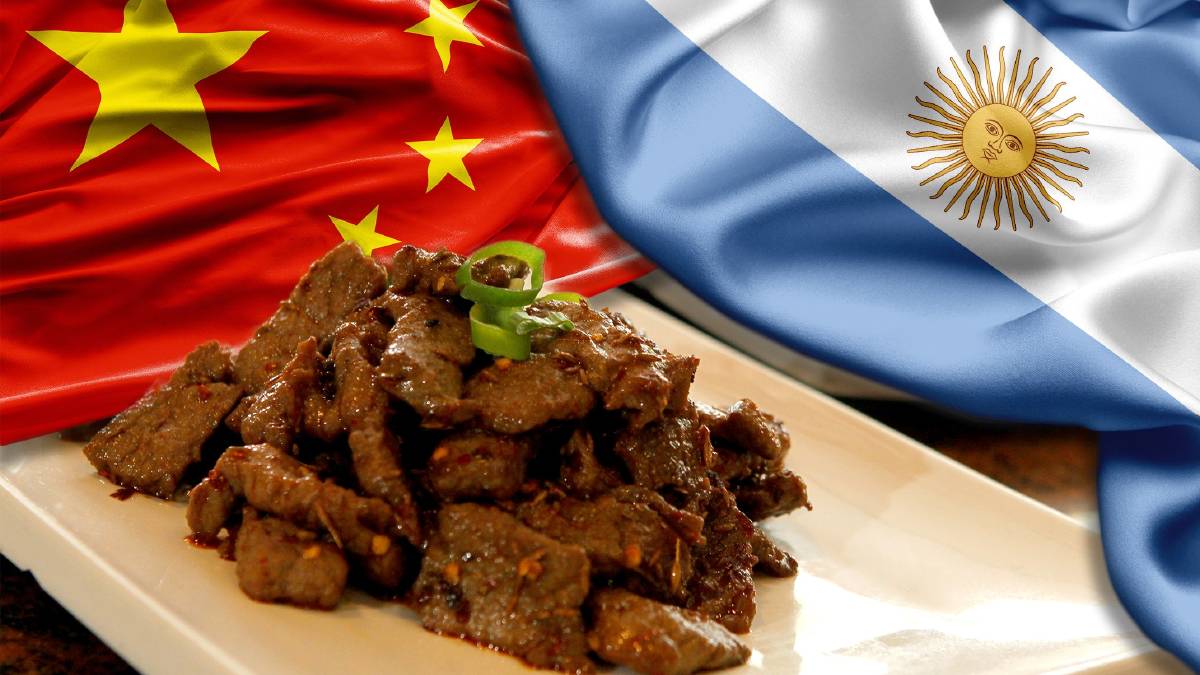
Chinese customs data compiled by "Beef to China" report show that, from January to July, Argentine shipments reached 186,000 tons.
Chinese customs data compiled by “Beef to China” report show that, from January to July, Argentine shipments reached 186,000 tons. (Photo: internet reproduction)
One-stop reference
Company Intelligence
Every listed company in Latin America — financials, ownership and structure for 1,450+ companies across 26 exchanges, in one place.
Browse the directory →
RT
Ask Rio Times
Latin American markets, currencies and companies.
Open the full Ask Rio Times →

Chinese customs data compiled by a “Beef to China” report show that, from January to July, Argentine shipments reached 186,000 tons, compared to Brazilian sales of 180,000 tons, and generated US$870.1 million(R$3.5 billion), more than double the figure for the same period in 2018.

The volume sold represented 70 percent of Argentina’s total beef exports in the period, and 21.7 percent of China’s imports – the Brazilian share was 21 percent.

At this level, according to Mario Ravettino, president of the Argentine Meat Exporters Consortium (ABC), Argentina will remain in the ranking of the ten largest beef exporters in the world for the second consecutive year. In 2018, the country ranked 6th, with shipments of 550,500 tons, behind Brazil, India, Australia, USA, and New Zealand. This year, it could climb to 5th place.

From third place in 2005, behind only Brazil and the U.S., Argentina fell to the 14th position after government intervention in the market with the imposition of internal prices and export barriers.

During its economic downturn, Argentina even fell behind smaller Mercosur members Uruguay and Paraguay. Many farmers converted pasture areas into soybean crops and the country lost 10 million head of cattle. More than 100 slaughterhouses were closed and almost 20,000 people were out of work. The measures taken by the government of Cristina Kirchner (2007-2015) had the goal of “guaranteeing the table of Argentineans”, a slogan that marked the sector.
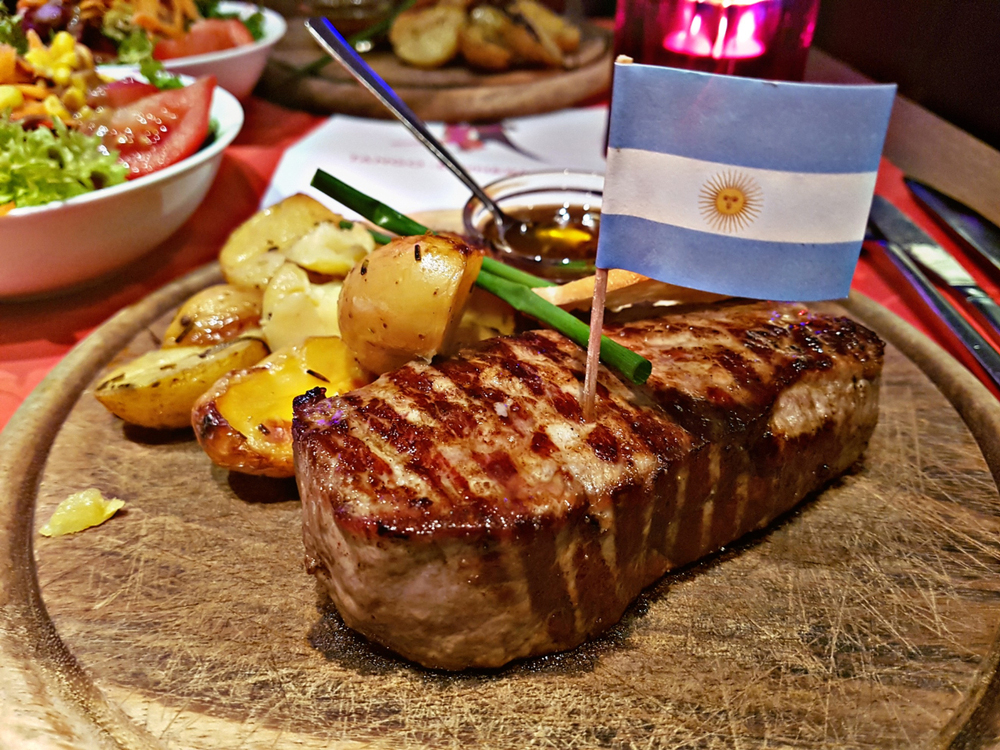
Argentina has a high per capita beef consumption, which reached 69.4 kilos in 2007.
Argentina has a high per capita beef consumption, which reached 69.4 kilos in 2007. (Photo: internet reproduction)

Argentina consumers eat vast amounts of beef, reaching a high 69.4 kilos per capita in 2007. Today, the total per capita consumption of animal protein in the country is 112 kilos, of which 51 kilos of beef, 40 kilos of chicken and 16 kilos of pork – the remainder is divided between lamb and fish, among other products.

With the incessant rise in inflation, domestic consumption fell 11.3 percent in the first seven months of 2019 in relation to the same period in 2018, according to data from the Chamber of Industry and Commerce of Meat and Derivatives (CICCRA).

Argentinian industry, according to Ravettino, is currently operating at 90 percent of its annual production capacity of 3 million tons, far from being in crisis, according to the Statistics and Census Institute (INDEC). Among the main slaughterhouses operating in Argentina are Brazilian companies Minerva, which leads Argentina’s beef exports to China, and Marfrig.

Since the beginning of Mauricio Macri’s government, the official strategy has been focused on attracting new consumers and, particularly, the gigantic Asian market, which purchases all kinds of cuts – unlike Europe, the destination of so-called “noble” (“prime”) cuts like steak.

“They are different markets. With China we have volume, with Europe we have price. But our strategy is to sell to all countries”, said Ravettino.

This article was produced by The Rio Times’ automated newsroom system. How we use AI · Report an error

Read More from The Rio Times

The Rio Times · Power Map
See who really holds power in Latin America
Click to open the Power Map

Rotate for Best Experience

This report is optimized for landscape viewing. Rotate your phone for the full experience.