Argentina Prepares to Negotiate Crucial Debt with IMF
RIO DE JANEIRO, BRAZIL – Argentina’s President Alberto Fernández compared negotiating the country’s debt to a poker game. This week he will have to show some of his cards to the International Monetary Fund.
IMF negotiators land in Buenos Aires on Wednesday, February 12th, for their first mission since the left-wing president took office in December. Before agreeing to any changes under the current agreement, the IMF team will want to see the plan with which Fernández intends to negotiate more than US$320 billion (R$1.3 trillion) in total debt and rescue an economy that is expected to shrink for the third year running.

Talks with the IMF, to which Argentina owes US$44 billion, will be key to even broader negotiations with creditors to avoid a default. If the Fund declares the country’s debt to be unsustainable, according to the assessment used by Fernández repeatedly, this could give the president more bargaining power to impose greater reductions on the amount owed to creditors.
“If you talk to private creditors, many of them see the IMF as their worst enemy,” said Jimena Blanco, head of Latin American policy research at the Verisk Maplecroft consultancy in Buenos Aires. “The IMF could make a deal for bond holders difficult in the end by agreeing that under current terms Argentina would be unable to meet its debt commitments”.
In addition to billions of dollars in debt, much is at stake for both sides.
Fernández pledged to voters that he would recover an economy that suffers from 54 percent inflation and high unemployment. The IMF, a perennial villain in Argentina after more than 20 financing deals since 1958, hopes to regain some negotiating ground with its largest debtor after the record US$56 billion loan approved in 2018 did little to improve the country’s economy or reputation.
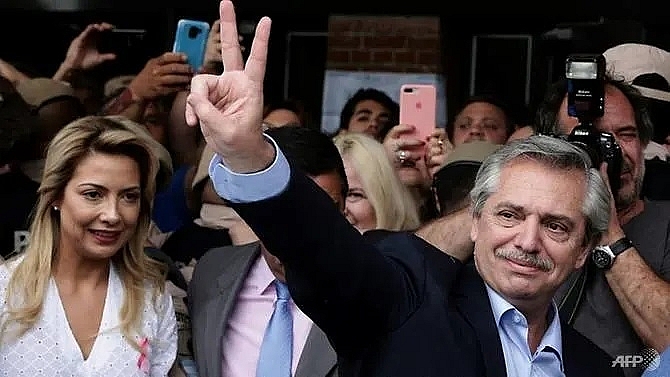
Cards up his sleeve?
With two months in office, Fernández chose not to announce comprehensive economic plans; instead, he resorted to a number of tax increases, price freezes and wage adjustments to appease voters. His only important statement on the debt negotiations was that he plans to finalize them by March 31st, a difficult deadline to meet.
“It’s not true that we don’t have a plan, we don’t tell it only because we are in the midst of negotiations and to tell it would be to show our cards,” the president said earlier this month at an event in Paris. “We’re playing poker, not with kids.”
A card that the government did in fact show is what it is asking the IMF for: “more time” to pay off the capital instalments of its most recent loan that will mature between 2021 and 2023, according to Economy Minister Martín Guzmán. Otherwise, it will take “a long time” for the country to make interest payments to private creditors, he said.
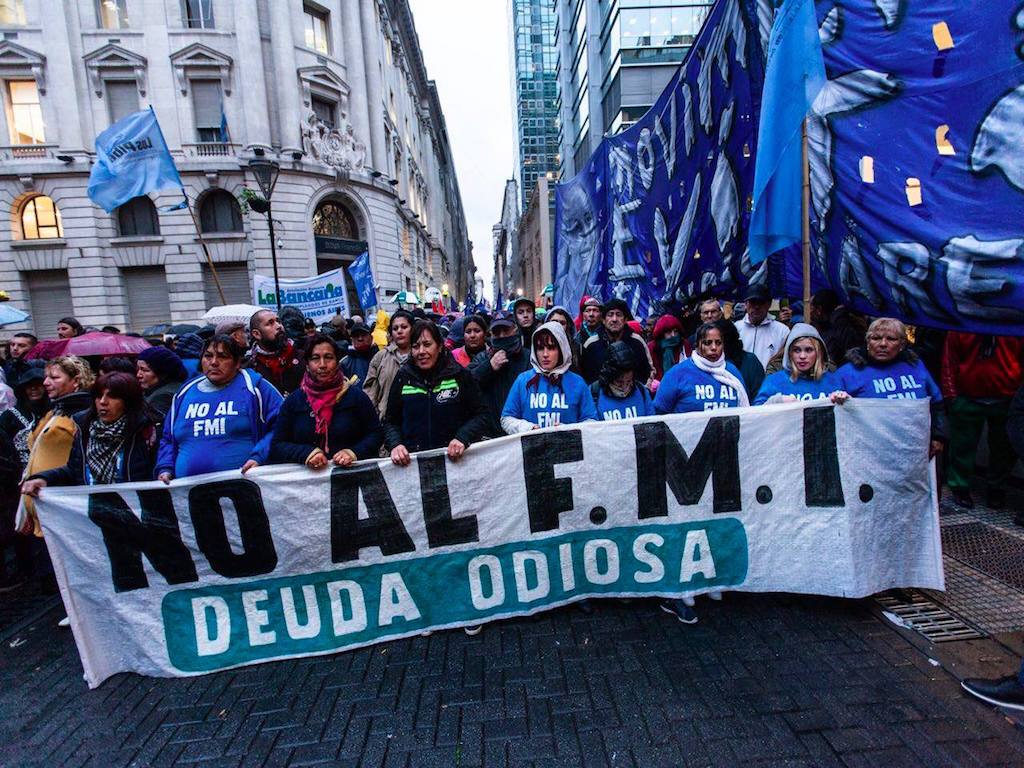
Although Fernández criticized the Fund during the campaign, saying that the IMF was partly responsible for Argentina’s crisis, the relationship has thawed since he took office. Both sides have begun to talk positively about each other recently, and last week IMF Managing Director Kristalina Georgieva said she had a “very productive” meeting with Guzmán in Rome.
“The difference in mentality between the government and the IMF is not that distant in terms of fiscal policy; the main issue is monetary policy,” said Diego Pereira, a JPMorgan economist for South America.
More: Latin America news in English, every day from The Rio Times.
This article was produced by The Rio Times’ automated newsroom system. How we use AI · Report an error · Editorial responsibility: Matthias Camenzind, Editor-in-Chief