Argentina Decrees Limits on Dollar Purchases by Legal Entities and Individuals
RIO DE JANEIRO, BRAZIL – In an attempt to contain the economic crisis that has been accelerating in the country, the Argentine government will set a limit of US$10,000 (R$40,000) per month for the purchase of US currency by individuals, according to the Central Bank of the Argentine Republic (BCRA) on Sunday, September 1st.
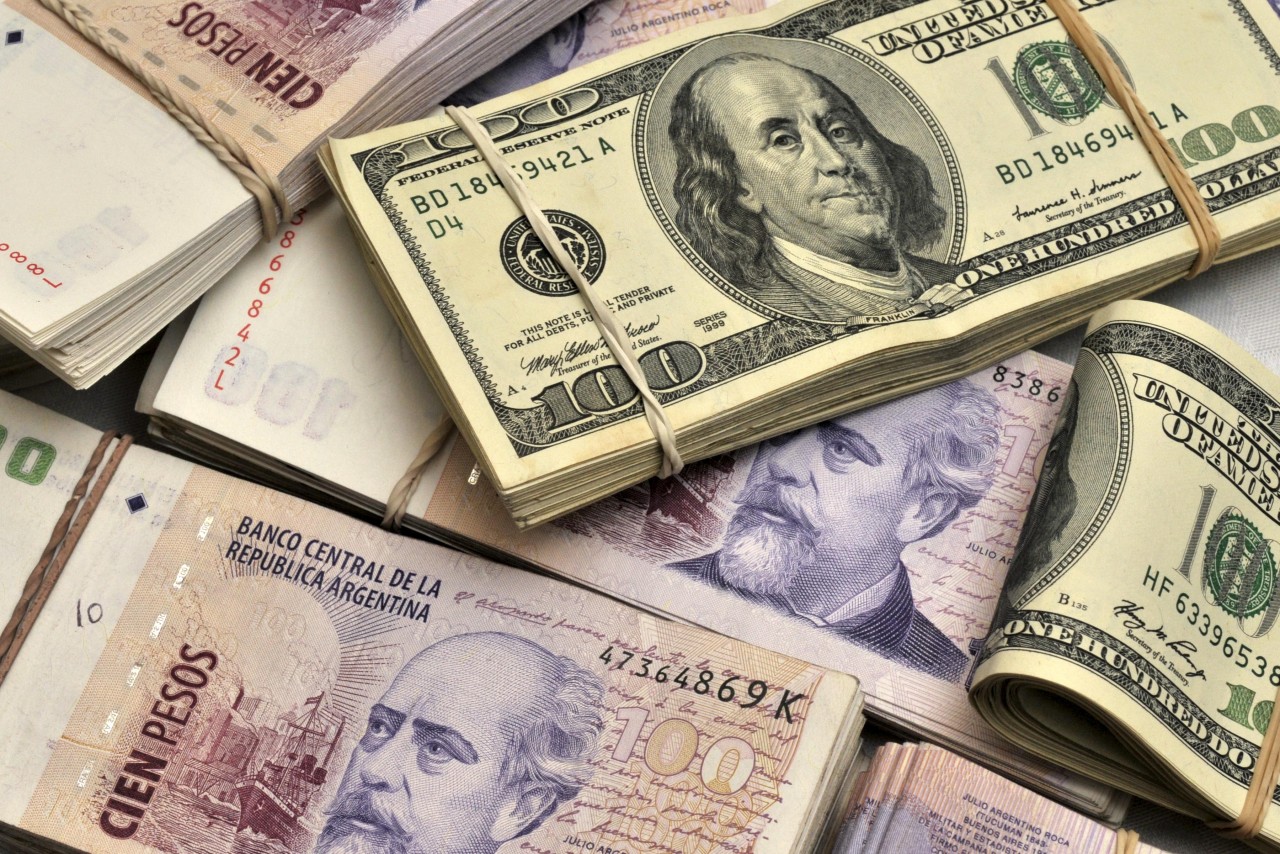
The measure will be effective as of Monday, September 2nd and is an attempt to reduce the soaring dollar exchange rate, which has become more pronounced over the past week. Above US$10,000, permission from the institution will be required.
According to a note published on the BCRA website, resident legal entities will need the Central Bank’s consent to purchase currencies for the “creation of foreign assets,” for the pre-payment of debts, for the remittance of profits and dividends abroad and for making transfers abroad. Purchases will be cleared and unrestricted for the import or payment of debts on maturity.
In the note, the Central Bank points out that the measures taken by the government of President Mauricio Macri, including new rules for inflows and outflows in the foreign exchange market, “aim to preserve exchange stability and protect the saver”. “This rule retains full freedom to withdraw dollars from bank accounts, both for individuals and companies, does not affect the regular operation of foreign trade or introduce any restriction on travel,” he said.
Earlier, the Argentine government had already pointed out that the measure established that exporters of goods and services should settle currencies obtained in transactions with foreign countries in the local market.
Transfers of funds from foreign accounts of more than US$10,000 per person per month will not be permitted, except between accounts of the same holder, in which case there will be no limitation. “Individuals and legal entities that are not residents may purchase up to US$ 1,000 per month and may not transfer funds from dollar accounts abroad,” adds the BCRA.
The information is from the newspaper O Estado de S. Paulo.
More: Latin America news in English, every day from The Rio Times.
This article was produced by The Rio Times’ automated newsroom system. How we use AI · Report an error · Editorial responsibility: Matthias Camenzind, Editor-in-Chief
In depth