IBOV 171,031.73 ▲ 1.85% IPSA 11,338.38 ▲ 0.89% IPC MEX 65,729.18 ▲ 2.14% MERVAL 2,913,184 ▲ 1.35% COLCAP 2,459.23 ▲ 0.61% BVL PERÚ 58,698.13 ▲ 2.60% USD/BRL5.14▼ 0.14% USD/MXN16.90▼ 0.36% USD/CLP914.28— 0.00% USD/COP3,038▼ 1.18% USD/PEN3.35▼ 0.06% USD/ARS1,499▲ 0.12% USD/UYU40.20▲ 1.58% USD/PYG5,996▲ 1.55% USD/BOB11.43▲ 0.41% USD/DOP58.82▲ 0.20% USD/CRC450.05▲ 3.34% USD/GTQ7.62▲ 2.21% USD/HNL26.81▲ 0.31% USD/NIO36.62▲ 0.61% USD/VES778.00▼ 0.13% USD/PAB1.00— 0.00% USD/BZD2.00— 0.00% USD/JMD 157.28 — 0.00% USD/TTD6.71▲ 0.79% EUR/BRL6.00▼ 0.64% BRENT 88.88 ▼ 0.03% WTI 83.11 ▼ 0.11% IRON ORE 161.91 — — COPPER 6.61 ▲ 0.03% GOLD 4,461 ▲ 1.78% SILVER 65.59 ▲ 1.26% SOY 1,184 ▲ 3.20% CORN 480.50 ▲ 10.02% WHEAT 655.00 ▲ 3.93% COFFEE 317.25 ▼ 5.51% SUGAR 16.43 ▼ 1.79% ORANGE JUICE 138.55 ▼ 0.47% COTTON 85.03 ▲ 2.33% COCOA 5,719 ▲ 3.18% BEEF 223.60 ▼ 3.93% CATTLE 339.10 ▼ 3.16% LITHIUM 75.20 ▲ 1.47% PETR4 41.64 ▼ 0.05% VALE3 72.97 ▲ 0.83% ITUB4 38.60 ▼ 1.03% BBDC4 16.85 ▲ 0.36% ABEV3 14.89 ▼ 0.80% BBAS3 19.37 ▲ 0.47% B3SA3 14.26 ▼ 0.21% WEGE3 47.59 ▲ 0.49% PRIO3 59.14 ▼ 0.19% SUZB3 41.33 ▲ 2.35% RENT3 34.68 ▼ 0.09% AZZA3 15.89 ▼ 2.63% CSAN3 3.22 ▼ 1.83% RAIZ4 0.25 — 0.00% PCAR3 2.75 ▼ 0.36% GMAT3 3.65 ▼ 1.08% PSSA3 48.13 ▼ 0.54% CVCB3 1.33 ▼ 2.92% POSI3 3.36 ▲ 2.44% SLCE3 13.34 ▲ 0.30% NATU3 8.14 ▼ 0.73% IBOV 171,031.73 ▲ 1.85% IPSA 11,338.38 ▲ 0.89% IPC MEX 65,729.18 ▲ 2.14% MERVAL 2,913,184 ▲ 1.35% COLCAP 2,459.23 ▲ 0.61% BVL PERÚ 58,698.13 ▲ 2.60% USD/BRL 5.16 ▲ 0.01% USD/MXN 17.06 ▼ 0.24% USD/CLP 913.98 ▲ 0.04% USD/COP 3,140 ▲ 0.03% USD/PEN 3.36 ▼ 0.66% USD/ARS 1,493 ▲ 0.10% USD/UYU 40.27 ▲ 1.24% USD/PYG 5,939 ▲ 1.68% USD/BOB 11.64 ▼ 0.76% USD/DOP 58.34 ▲ 1.25% USD/CRC 445.92 ▲ 0.89% USD/GTQ 7.62 ▲ 2.21% USD/HNL 26.79 ▲ 1.57% USD/NIO 36.62 ▲ 0.69% USD/VES 762.44 ▼ 0.13% USD/PAB 1.00 — 0.00% USD/BZD 2.00 — 0.00% USD/JMD 157.28 — 0.00% USD/TTD 6.70 ▲ 0.61% EUR/BRL 5.95 ▲ 1.01% BRENT 88.88 ▼ 0.03% WTI 83.11 ▼ 0.11% IRON ORE 161.91 — — COPPER 6.61 ▲ 0.03% GOLD 4,461 ▲ 1.78% SILVER 65.59 ▲ 1.26% SOY 1,184 ▲ 3.20% CORN 480.50 ▲ 10.02% WHEAT 655.00 ▲ 3.93% COFFEE 317.25 ▼ 5.51% SUGAR 16.43 ▼ 1.79% ORANGE JUICE 138.55 ▼ 0.47% COTTON 85.03 ▲ 2.33% COCOA 5,719 ▲ 3.18% BEEF 223.60 ▼ 3.93% CATTLE 339.10 ▼ 3.16% LITHIUM 75.20 ▲ 1.47% PETR4 41.64 ▼ 0.05% VALE3 72.97 ▲ 0.83% ITUB4 38.60 ▼ 1.03% BBDC4 16.85 ▲ 0.36% ABEV3 14.89 ▼ 0.80% BBAS3 19.37 ▲ 0.47% B3SA3 14.26 ▼ 0.21% WEGE3 47.59 ▲ 0.49% PRIO3 59.14 ▼ 0.19% SUZB3 41.33 ▲ 2.35% RENT3 34.68 ▼ 0.09% AZZA3 15.89 ▼ 2.63% CSAN3 3.22 ▼ 1.83% RAIZ4 0.25 — 0.00% PCAR3 2.75 ▼ 0.36% GMAT3 3.65 ▼ 1.08% PSSA3 48.13 ▼ 0.54% CVCB3 1.33 ▼ 2.92% POSI3 3.36 ▲ 2.44% SLCE3 13.34 ▲ 0.30% NATU3 8.14 ▼ 0.73%
since 2009
Saturday, August 22, 2026

Latin America Life & Society

Argentinians Start to Lose Their Meat-Eater Reputation

By · February 4, 2020 · 3 min read

Daily Brief

The morning intel from across Latin America. Free.

By subscribing you agree to our privacy policy. We never share your email.

RIO DE JANEIRO, BRAZIL – Argentinians, who for a long time were among the most voracious meat consumers in the world, can no longer afford to eat their own product.

The consumption of red meat in the country has dropped to its lowest level in a century. Among the culprits are high inflation and an insatiable hunger for beef in other parts of the world, which puts pressure on domestic prices and, to a lesser extent, a yet reluctant trend towards healthier and cheaper protein products.

It is a gut punch for a country that traditionally competes with neighboring Uruguay for the title of world’s largest meat-eater per capita.

Argentinians, who for a long time were among the most voracious meat consumers in the world, can no longer afford to eat their own product.
Argentinians, who for a long time were among the most voracious meat consumers in the world, can no longer afford to eat their own product. (Photo internet reproduction)
One-stop reference
Company Intelligence
Every listed company in Latin America — financials, ownership and structure for 1,450+ companies across 26 exchanges, in one place.
Browse the directory →
RT
Ask Rio Times
This story and the bigger picture.
Open the full Ask Rio Times →

Argentina’s new president, Alberto Fernández – who is busy restructuring his debt and an economy struggling to take off – is aware of the political risks. Fernández wants to increase price control in supermarkets to make meat affordable again.

If history serves as a guide, intervention measures could also undermine livestock profits with the world’s sixth-largest herd, leading farmers to reduce and limit the supply of Argentina’s famous rump and rib cuts while global demand reaches record levels.

Price control is part of Fernández’s Peronist party handbook. Beef became a controversial component of a consumer-focused economic strategy when Fernández was the chief of staff of the late former President Néstor Kirchner. In 2006, Kirchner temporarily suspended all beef exports to keep domestic prices under control.

During the 12 years that Kirchner and his widow, Cristina Kirchner, were in power, domestic beef consumption was fed by periodic export vetoes and price controls. But these measures became counterproductive when ranchers from the Pampas left the business. The cattle herd declined, as did the supply.

Deregulation under Fernández’s predecessor, Mauricio Macri, helped the industry increase shipments and herds rebounded.

Although the new president did not specifically address beef-related measures, Fernández recently raised export tariffs on all Argentine commodities. In January, the Argentinian president relaunched a price freeze program on 310 basic items, including some beef products.

Now, the government is discussing the option of increasing control over beef by including more price cap cuts in supermarkets, a Production Ministry official said last week. Price controls are part of a strategy to ensure supply to all sectors of the population, Interior Commerce Secretary Paula Español said in a statement.

Last year, Argentinians consumed an average of 51 kilograms of red meat, the lowest level since 1920, according to data from the Argentine Chamber of Industry and Commerce of Meat and Derivatives (CICCRA).
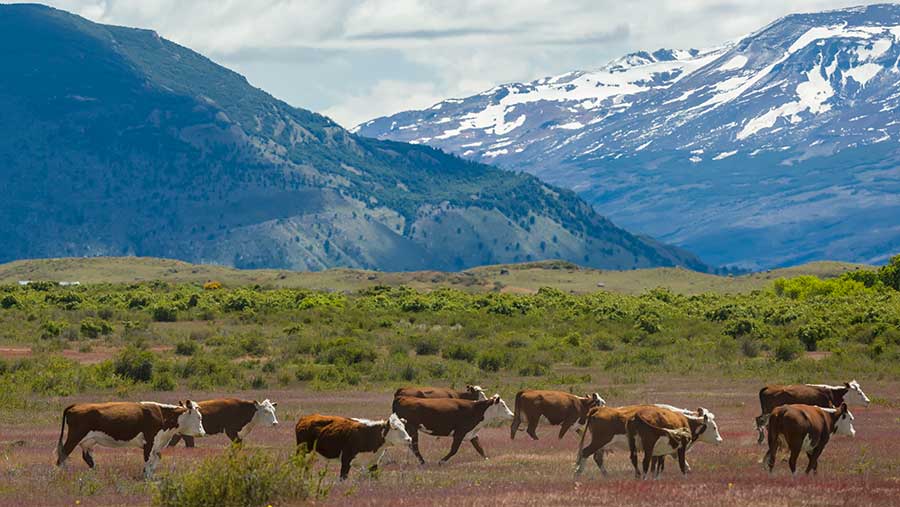
Last year, Argentinians consumed an average of 51 kilograms of red meat, the lowest level since 1920, according to data from the Argentine Chamber of Industry and Commerce of Meat and Derivatives (CICCRA).
Last year, Argentinians consumed an average of 51 kilograms of red meat, the lowest level since 1920, according to data from the Argentine Chamber of Industry and Commerce of Meat and Derivatives (CICCRA). (Photo internet reproduction)

Health concerns are among the reasons for the decline. Vegetarian restaurants have emerged in chic neighborhoods of Buenos Aires and even the famous Don Julio steakhouse now offers meat-free options. But for many, it is more a question of purchasing power.

Oscar Maradei does not see a rebound in his butcher shop. Sales fell 40 percent last year, one of the worst results in his 36 years as head of the business in Buenos Aires. Maradei bought meat from wholesalers at 143 pesos per kilo a year ago. Now he pays 203 pesos, as taxes, utilities and other costs remain high.

“It’s not about eating less red meat,” said Maradei, 63. “It’s a matter of loss of purchasing power, that’s the problem.”

This article was produced by The Rio Times’ automated newsroom system. How we use AI · Report an error

Read More from The Rio Times

The Rio Times · Power Map
See who really holds power in Latin America
Click to open the Power Map

Rotate for Best Experience

This report is optimized for landscape viewing. Rotate your phone for the full experience.