Four factors set the agenda for reactivating tourism in Bolivia
RIO DE JANEIRO, BRAZIL – Tourism in Bolivia’s third-largest city of Cochabamba, which has been practically inactive since 2019 due to the pandemic, is beginning to gain strength and find new spaces that allow its development.
Four factors mark the agenda of this reactivation: the empowerment of local destinations, ecotourism, social networks as a meeting point between supply and demand, and the inevitable gastronomy, explained experts in the framework of International Tourism Day, which is celebrated this Monday, September 27.
Read also: Check out our coverage on Bolivia
The decline of tourism in the world and in Bolivia meant a massive decline in the economy and a total loss of culture, reciprocity, knowledge and human life.

“The first activity on the entire planet to suffer from the pandemic is tourism. Tourism works by bringing people in and out by moving people around. That was dangerous because many times, healthy people were brought to places where the virus was already present or vice versa. Thus, tourism activity has been closed down,” commented Miguel Mendoza, Bolivian Association of Travel and Tourism Agencies (Abavyt).
Of course, Cochabamba is no exception, people were locked in their homes, and all tourist centers were closed to avoid the spread of the virus.
Mendoza detailed that tourism agencies have been the most affected during the pandemic, as they have been forced to close their businesses due to the sharp drop in tourism demand, which meant that more than 500 agencies were left in a tiny group. “Many agencies have died, not even temporarily closed,” he says.
STRATEGIES
However, after two terrible years, the number of infections and deaths in the country has dropped considerably, allowing a return to sure normality that implies the reactivation of the tourism sector.
Of course, this must be carried out under specific strategies on the part of the authorities and companies in this sector that allow the country’s tourism growth without putting the health of citizens at risk.
From Quillacollo, the director of Culture of this municipality, Pablo Hinojosa, assured that work is being done to reactivate local and departmental tourism to benefit the different economic actors involved in this problem (transport, gastronomy, hotels, tourist guides).
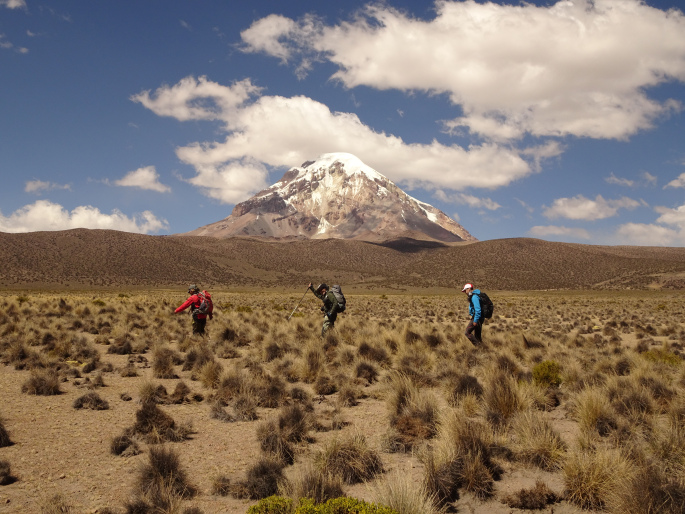
He explained that the main focus of his strategy is based on community-based tourism through training, awareness-raising, and promotion of tourist sites.
“One of the economic reactivation strategies we have used is to train communities to provide the services and become the direct beneficiaries,” said Hinojosa.
In addition, the implementation of training plans for the community members and to convert them into service providers and promoters of services in these areas, because they are far from the city and are natural spaces, are based on adventure tourism.
They are also coordinating with the hotel chamber to look into the possibility of lowering taxes. “At the same time, we are thinking of launching some offers and being able to provide some service certification to the lodging centers and restaurants,” he said.
He explained that thanks to this sensitization, the communities are now opening up to show all these spaces that they traditionally took care of to avoid destruction.
“We support them in terms of promotion, signage, and infrastructure. We are not only focusing on showing landscapes, but also on motivating tourists through activities that they can carry out in different tourist sites,” he said.
As for Abavyt, Mendoza assured that his priority is to rescue his associates and gain new affiliates.
“We have the idea that tourism should be a non-predatory economic activity. As it crosses almost all business activities, we are always close to others. That is our line: to recover entrepreneurial, micro-entrepreneurial, and individual activity,” he said.
SOCIAL NETWORKS
One advantage that tourism has is using social networks by citizens who are rediscovering their country and encouraging people to get to know places that had never had much visibility.
Both Mendoza and Hinojosa say that social networks have helped a lot in reactivating this sector of the economy and have marked a new way of approaching it. “We can take advantage of social media because they give us feedback, they tell us what people are looking for. This help practically shows us the way,” Mendoza said.
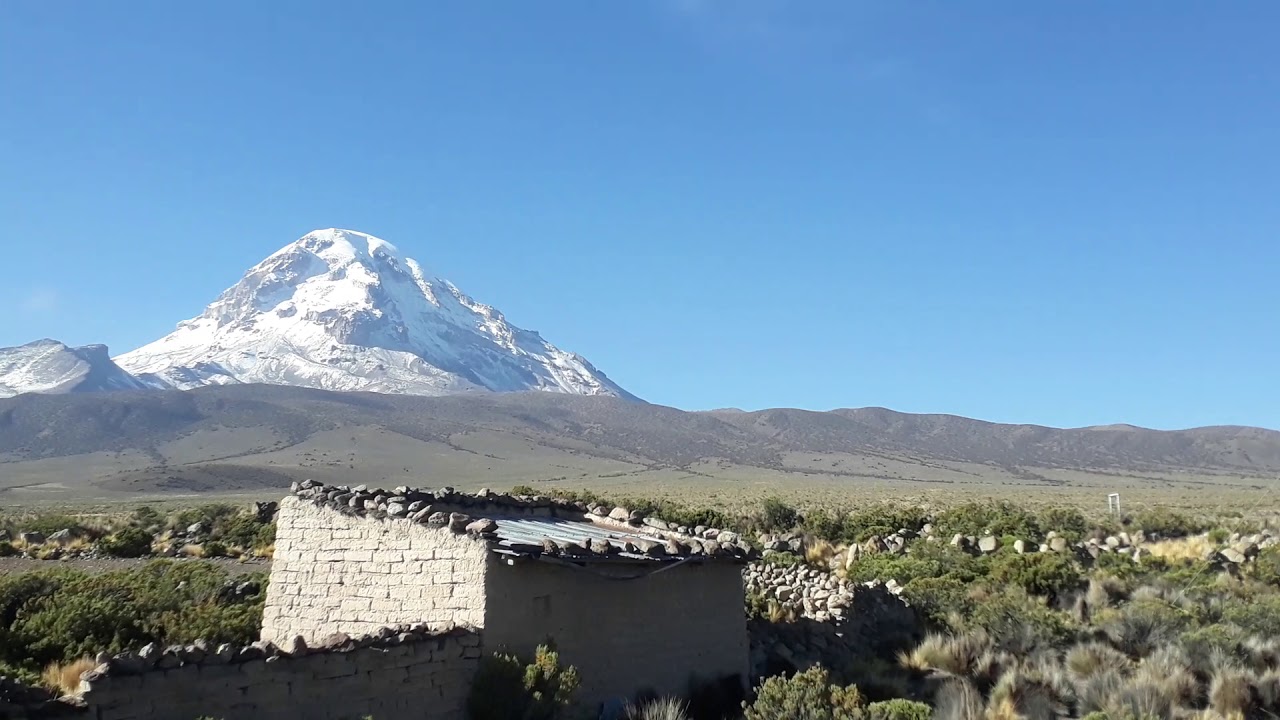
This is the case, for example, of the Tuta Wallpa Canyon, the gardens of La Campiña, or the waterfalls of Arocagua, spaces that have gained visibility thanks to TikTok.
“It is the people who make the destination and that this destination goes viral. It is not the agencies or the authorities that are setting the tourist line. People are simply showing their preferences and tastes. The same with food,” Mendoza added.
ECOTOURISM, ANOTHER DORMANT POTENTIAL
On the other hand, due partly to the almost prison-like confinement that the pandemic has put Bolivia in, the concept of ecotourism focused on the country’s natural areas and spaces is becoming very relevant.
“Thanks to this community-based ecotourism, we can offer people the option of visiting these natural places without the need to wear a mask and with a good social distance,” said Hinojosa.
For Mendoza, he said that although the pandemic “has taught us to take a little more care of our nature”, we cannot speak of a proposal for ecotourism since “there are no spaces where people can immerse themselves in the care of the environment and can take that learning home, which is the function of ecotourism”, he says.
More: Bolivia news in English, every day from The Rio Times.
This article was produced by The Rio Times’ automated newsroom system. How we use AI · Report an error
Read More from The Rio Times