Three miners in Bolivia die of asphyxiation in Cerro Rico de Potosi mine
RIO DE JANEIRO, BRAZIL – Three miners aged 19, 25, and 50 died of carbon monoxide inhalation while working at a depth of 700 meters in a mine in Cerro Rico de Potosí, informed this Wednesday the police commander of that Bolivian department, Juan Carlos Mercado.
In a press conference, the police chief indicated that the incident occurred at 22.00 local time on Tuesday in the mine belonging to the Villa Imperial mining cooperative, if it is still under investigation.
Read also: Check out our coverage on Bolivia
Mercado explained that the rescue work of the workers was extended until 1.00 a.m. local time (5.00 GMT) due to the difficulties of access and the depth at which the incident took place.
Although no details of the event were provided, the commander stressed the complications workers have in their work at that depth, where there is little oxygen and “dust particles” also affect the lungs.
Last February also saw the death of two miners, 22 and 41 years old, in the Encinas mine in Potosí, belonging to the ComPotosí cooperative, when a load of earth buried them while they were working inside the mine.
The death of both was due to the injuries they suffered from the weight of the earth and the impossibility of breathing, even though some of their co-workers tried to evacuate them to a nearby hospital.
In April of last year, a work accident in the same mine claimed the life of another 46-year-old worker.
In Bolivia, mining work is divided between the state-run sector, made up of workers’ unions, and the cooperative sector, made up of autonomous associations of members without a dependency on their employers, dedicated to the exploitation of minerals and the private business sector.
Generally, mining cooperatives operate in marginal mines with minimal working conditions and workers exposed to this type of accident and tragedies.
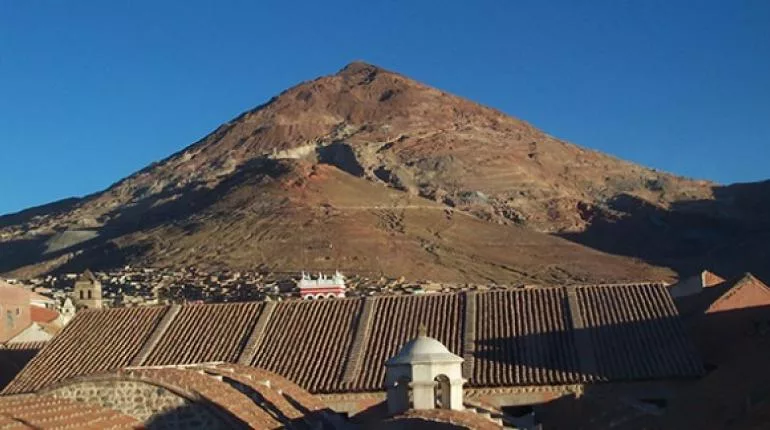
In the historic Cerro Rico de Potosí, mineral exploitation has continued since 1545 and was one of Spain’s main sources of income in colonial times.
More: Bolivia news in English, every day from The Rio Times.
This article was produced by The Rio Times’ automated newsroom system. How we use AI · Report an error · Editorial responsibility: Matthias Camenzind, Editor-in-Chief