Both Revered and Hated, Cristina Kirchner Once Again at Center of Argentina Politics
RIO DE JANEIRO, BRAZIL – Argentinians have always been deeply divided about Cristina Fernández de Kirchner. Approximately one-third of citizens are convinced supporters of the former president, but for a similarly large proportion of the population, she is a red rag.
The fact that she has been back in the Government’s Rosada House since December 10th – even if only as Vice President – is partly due to her tactical skills.

As a presidential candidate, her chances would probably have been slim despite the miserable economic record of President Mauricio Macri, now retired.
For a majority, she is seen as too radically left-wing and would have divided the Peronists. She, therefore, invited a more moderate representative of the party – her former head of cabinet Alberto Fernández, who had later quarreled with her – as a presidential candidate on her invitation.
This was the first glimpse of which of the two would be allowed to take control of the government.
Confidants in key positions
Kirchner’s reign is not well remembered by many Argentinians.
Her interventionist economic policy led to the crash, which Macri could not stop either. And the polarization she pursued led to an unwelcome split in society. The Peronists were therefore forced to refute concerns that the choice of the Fernández/Kirchner ticket would lead to a return to the circumstances of the former Kirchner regime.
They stated that Kirchner would not play an active political role. In fact, they wanted to protect themselves from “persecution” by the judiciary with the immunity afforded by their position.
Kirchner is under investigation for corruption in about a dozen cases and has already been charged.
In Argentina, as in the USA, the Vice President has hardly any political power, with the exception of that being formally the President of the Senate.
However, the first days of the new government have already shown that Kirchner obviously also intends to play a decisive role as vice president. She has skillfully managed to elevate confidants to key positions. Her son Máximo Kirchner is the new leader of the Peronist faction in the Chamber of Deputies.
The Kirchners thereby control the two chambers of Congress in what might be described as a close family circle. Eduardo de Pedro, leader of Kirchner’s youth organization La Cámpora, is the new Minister of the Interior.
Carlos Zannini, at the time President Kirchner’s private secretary and one of her closest collaborators, is the new Prosecutor General.
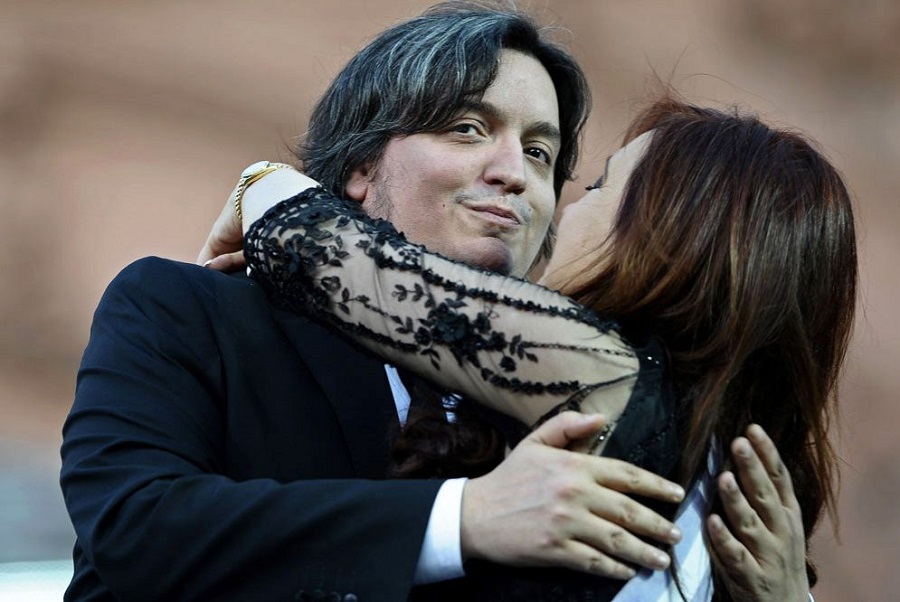
Kirchner in the driver’s seat?
Through her control over Congress, Kirchner should be able to easily become the leader of Peronism. She can also claim that a majority of votes for the victorious presidential ticket came from her supporters. In other words, it will be difficult for Alberto Fernández to win against Kirchner in the event of a difference of opinion.
According to observers, it was allegedly Fernández who visited Kirchner in November to have her approve the cabinet list. Even if the former president should stay out of daily politics, she should have a decisive influence on the main policies.
In recent days Alberto Fernández has already set the first milestones for economic policy. It points to the belief in a state-controlled economy, well known from Kirchner’s presidency. As an alleged measure against unemployment, employers will have to pay double the severance pay over the next six months for dismissals that are not justified by misconduct.
Agriculture as the golden goose
The withholdings on sales of agricultural products, which in fact represent an export tax, will be significantly increased. The rate will rise from 24.5 to 30 percent for soybeans and from 6.5 to 12 percent for other goods such as corn and wheat.
In other words, the farmer must deliver roughly one-third of the soy harvest directly to the state. The difficult situation of public finances may justify this as an emergency measure, but the experience of Kirchner’s presidency shows that the hope for a later reduction of this tax is an illusion.
In 2008, the taxation of agricultural exports led to the toughest domestic political conflict in Kirchner’s presidency, with farmers on strike for months. Once again, their representatives reacted harshly to the announcement and did not rule out military action. In particular, they criticized the fact that they had to learn about the resolution from the Official Gazette.
They had previously been promised that no decisions would be taken without first hearing producers. The farmers’ representatives regretted that the new government again regards agriculture only as the golden goose for the treasury and not as a sector able to generate development and growth on its own.
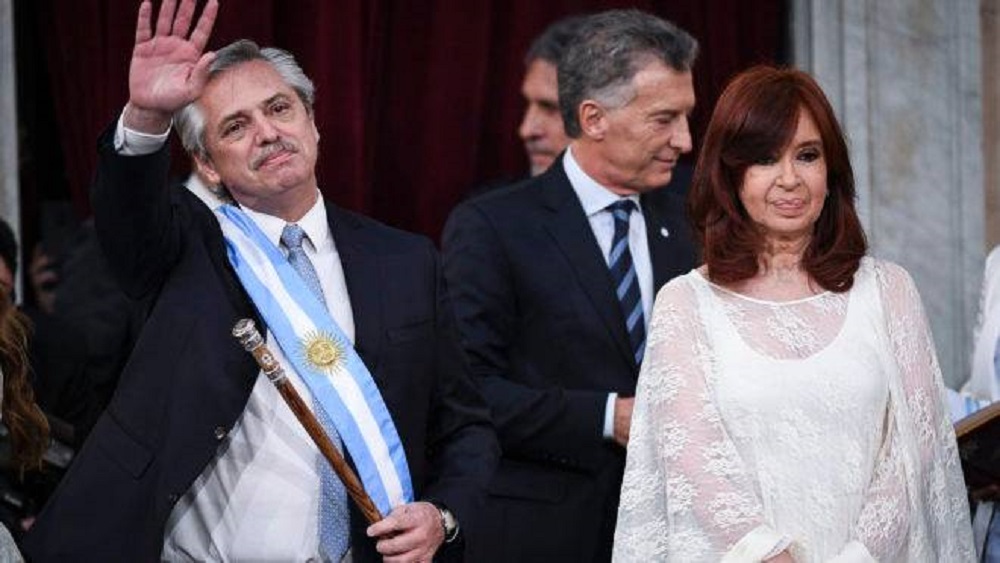
Issue of debt service
Finally, Alberto Fernández has also announced that most of the remaining credit from the International Monetary Fund will not be used. This should also leave the question of debt service unresolved.
Fernández had said after his election that he accepted the debt assumed by his predecessor, but demanded a rescheduling. When he took office, he said that the fight against the crisis was a priority over debt service.
More: Latin America news in English, every day from The Rio Times.
This article was produced by The Rio Times’ automated newsroom system. How we use AI · Report an error · Editorial responsibility: Matthias Camenzind, Editor-in-Chief