Brazil Could Lose Iran Agricultural Export to Argentina
RIO DE JANEIRO, BRAZIL – The invasion of Argentinians in areas of Brazil, foreseen by President Jair Bolsonaro, should Alberto Fernández be elected – which occurred – could start with agribusiness. Not physically, but rather commercially.
The Argentinians have prepared for greater tension between Brazil and Iran. The friction with the Persian country began with the Brazilian government’s support for the Americans’ action in the death of General Qassim Suleimani in Baghdad.

Now, Brazil, aligned with the United States and Israel, will host a meeting of the “Working Group on Humanitarian and Refugee Issues”, established at the “Warsaw Ministerial meeting to Promote a Future of Peace and Security in the Middle East”, from February 4th to 6th, in Brasília. On the meeting agenda will be the search for greater commercial isolation from Iran, which concerns agribusiness.
Last year, in two meetings with delegations from the United States and Israel, Brazil had already been asked for a tougher position against Iran, but Itamaraty resisted.
Argentina, in addition to meeting Iran’s main food needs, remained neutral in the Persian country’s conflict with Americans.
Argentina’s negotiations with the Iranians have been going on since October and should intensify from now on. Entrepreneurs from the neighboring country, particularly agribusiness, are expected to travel to Tehran.
This trade mission is being coordinated by BRIPAEM, a bloc of seven South American countries. Edemir Schornen Bozeski, the bloc’s foreign relations secretary, says the goal is to foster relations among all the group’s countries (Argentina, Bolivia, Brazil, Chile, Paraguay, Peru and Uruguay).
As well as seeking trade options for Brazil, the bloc also assesses all other trade options for the other components. And in a potential halt to negotiations between Brazil and Iran, the supply of food to the Iranians would continue to be carried out by a South American country, according to him. The bloc is made up of entrepreneurs and mayors.
Iran is the fourth largest importer of food from Brazil, with expenditures of US$2.2 billion (R$9.4 billion) last year. Five products stand out in Iranian purchases: corn, soybeans, soybean meal, beef and sugar.
With the exception of sugar, Argentina would be able to replace Brazil in this provision. In the event of a breakdown in trade relations between Brazil and Iran, the Brazilians would lose a faithful country that pays better for the food they buy.
An example is corn, the price paid by Iranians is 11 percent higher than other major importers.
Iran’s need to purchase corn amounts to ten million tons, according to the USDA, and Brazil provided 54 percent of the total in 2019, according to government data.
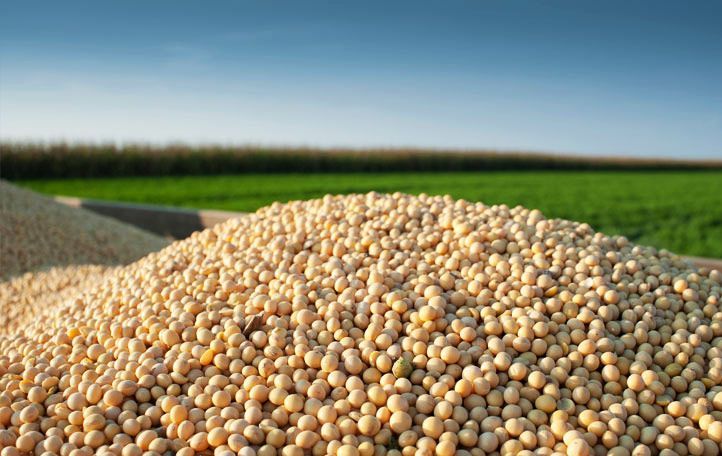
With regard to soy, Brazil would not lose much. Total Iranian imports reach 1.9 million tons, but 84 percent of those purchases are concentrated in Brazil.
Argentina could also replace Brazil in soybean meal. This would happen at a bad time for Brazil. With the increase in biodiesel production, the supply of soybean meal grows and Brazilian exporters want to increase their presence in foreign markets.
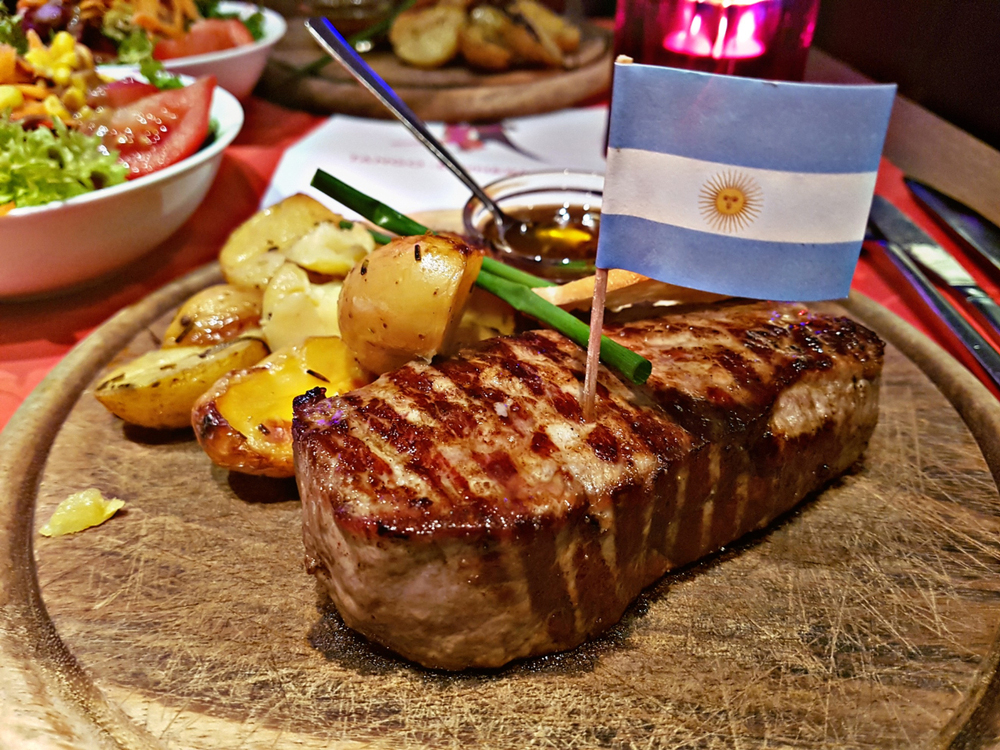
Beef is yet another Iranian demand, and Brazil was responsible for supplying 48 percent of the product imported by the Persian country. As an example of diplomatic friction, Iranian importers are now saying that the purchase of Brazilian meat could be impacted if the government aligns politically with the United States.
“Brazil’s position affects the decision of Iranian traders 100 percent, who would lose interest in buying because the government here stops cooperating,” said Mohammad Hosseyn Mohammadzaman, president of Ghaza Faravar Penguin, over the phone from Tehran.
The entrepreneur said he imported between 8,000 and 10,000 tons of the 63,000 tons Iran bought from Brazil in 2019. Last year, the country was the seventh importer of meat from Brazil, representing 3.4 percent of sales abroad.
In case of a potential rupture, entrepreneurs in the sector say that Iran would seek closer markets, such as Romania and Kazakhstan, which already sell to the country.
The Argentinians, who led world beef exports in the 1970s and lost space, grew again and would A mission of Iranian businessmen recently visited Brazil and on the list of products they want from the country are rice and sugar – in this case, Argentinians can supply rice, but Iranians would seek sugar in India.
The government’s ideological choices could jeopardize one of the most dynamic sectors of the economy in recent years. Moreover, ideological alignment with the US has little to add to agribusiness, since the two countries are competitors in virtually every product.
More: Brazil news in English, every day from The Rio Times.
This article was produced by The Rio Times’ automated newsroom system. How we use AI · Report an error · Editorial responsibility: Matthias Camenzind, Editor-in-Chief