U.S. think tank CSIS advises Biden administration to partner with Chile, Bolivia and Argentina on lithium
RIO DE JANEIRO, BRAZIL – The Biden administration’s ambitious foreign policy goals on climate change and clean energy pose a unique opportunity for engagement with many countries in Latin America, writes the Center for Strategic and International Studies (CSIS) in its latest report.
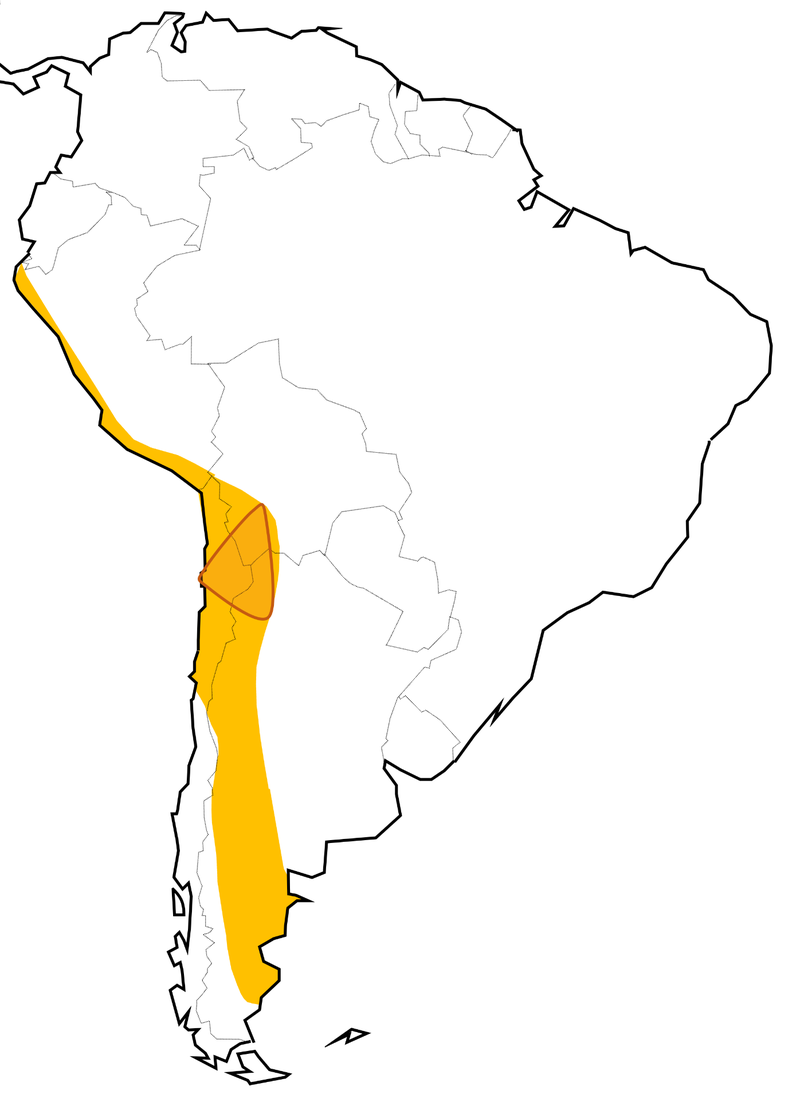
With the strategic importance of lithium rising as a potential means to tackle climate change, the so called ‘Lithium Triangle’ countries could be key partners for the Biden administration’s goals at home and abroad.
The South American area is thought to hold around 54% of the world’s lithium reserves.
Domestically, if the Biden administration hopes to reach its 50% target reduction in carbon emissions by 2030, lithium-ion batteries energy storage capabilities will be necessary to transform the electricity grid by capturing excess solar and wind power in the United States, CSIS says.

Internationally, strong public-private partnerships with Argentina, Bolivia, and Chile could lead to increased exports of lithium from South America to the rest of the world, helping countries reduce carbon emissions globally.
While it might be a long shot, strategic partnerships and targeted investments in technological companies in the Lithium Triangle could also encourage regional production of lithium-ion batteries — rather than only raw material exports — that would decrease dependence on Chinese supply chains and possibly nearshore the lithium-ion battery industry in Latin America.
The United States’ historically rocky relationship with both Argentina and Bolivia — countries currently run by left-leaning governments that are often critical of the United States — pose a challenging scenario for such cooperation, CSIS concedes.
But if done properly, a partnership on these issues could inject more dynamism into several bilateral relations in the region. With this strategic outlook, the Biden administration would benefit from increasing its focus and resources toward working fruitfully with the Lithium Triangle countries to find ways to increase investment into the region’s lithium resources.
To cooperate with Argentina, Bolivia, and Chile in the lithium industry, the Biden administration, led by Special Presidential Envoy for Climate John Kerry, could organize a clean energy forum for the top lithium-producing nations, which, in addition to the Lithium Triangle countries, would include Australia, China, and Canada.
Such a forum would discuss more environmentally friendly approaches to leveraging lithium for the future of technology. Reports indicate that Argentine President Alberto Fernández is considering convening a similar summit. This collaborative effort could increase investment partnerships with Argentina, Bolivia, and Chile, as well as find solutions to common lithium extraction challenges faced by each of the lithium-producing nations.
A global partnership with the Lithium Triangle countries, other key allies, and China — the world’s top emitter and key partner for fighting climate change — could boost the Biden administration’s foreign policy agenda and provide a platform for lithium to become a key component of the global clean energy transition.
Such efforts are warranted, as Latin America is a region that has vastly underspent on green post-pandemic recovery efforts, despite the fact that the UN Intergovernmental Panel on Climate Change recently released a pessimistic report indicating greater impact on Latin America than on many other regions in terms of increased droughts, hurricanes, and weather-related disasters; melting of Andean glaciers; and threats to the region’s coastal infrastructure.
Furthermore, to tackle the environmental effects and energy-intensive nature of lithium extraction, the Biden administration should increase investment in emerging extraction technologies. Current research suggests that direct lithium extraction (DLE), a process by which lithium is extracted from brine water without the use of evaporation pools, preserves over 98% of the water supply used during extraction.
Successful implementation of DLE technologies in the Lithium Triangle would thus reduce externalities on the local water supply and the concomitant effects on indigenous communities. The United States would benefit from mobilizing investment into the Department of Energy’s current research on DLE technologies.
Not only would DLE be useful for existing operations in Argentina, Bolivia, and Chile, but it would also demonstrate the United States’ long-term commitment to boosting economic growth and cooperation with its Latin American partners.
Through a combination of strategic investments, targeted research, and effective diplomacy in partnership with the Lithium Triangle countries, the Biden administration could strengthen the imperative of fighting climate change in its foreign policy agenda, strengthen its hand in the unfolding competition with other great powers, and furnish more clean energy opportunities in the region.
THE LITHIUM TRIANGLE
The Lithium Triangle is a region of the Andes rich in lithium reserves around the borders of Argentina, Bolivia, and Chile.
The lithium in the triangle is concentrated in various salt pans that exist along the Atacama Desert and neighboring arid areas, the largest ones including Salar de Uyuni in Bolivia, Salar de Atacama in Chile, and Salar del Hombre Muerto in Argentina.
The area is thought to hold around 54% of the world’s lithium reserves.
More: Argentina news in English, every day from The Rio Times.
In depth
This article was produced by The Rio Times’ automated AI newsroom. Editorial responsibility: Matthias Camenzind, Publisher and Editor-in-Chief. The Rio Times also runs Ask Rio Times, which answers from 100,000+ of our own articles, the daily Latin America Power Map, and prediction-market odds on elections and markets.. How we use AI · Report an error
Lithium in Latin America
- Lithium in Latin America 2026: Inside the Lithium Triangle
- Bolivia’s Lithium Explained for 2026
- Chile Lithium 2026: Deals, Policy Shift and Race to Stay No. 2
- Argentina Natural Resources Explained 2026