IBOV 166,934.20 ▼ 0.10% IPSA 11,042.67 ▲ 0.39% IPC MEX 64,397.45 ▼ 0.66% MERVAL 2,947,349 ▼ 1.77% COLCAP 2,452.46 ▲ 0.84% BVL PERÚ 58,104.31 ▲ 0.40% USD/BRL5.21▼ 0.01% USD/MXN17.02▼ 0.01% USD/CLP914.45▼ 0.02% USD/COP3,141▲ 0.56% USD/PEN3.37▼ 0.21% USD/ARS1,488▼ 0.28% USD/UYU40.33▲ 1.50% USD/PYG5,984▲ 2.11% USD/BOB11.54▼ 0.18% USD/DOP58.45▲ 0.26% USD/CRC446.12▲ 2.03% USD/GTQ7.62▲ 2.25% USD/HNL26.79▲ 0.54% USD/NIO36.62— 0.00% USD/VES769.14▼ 0.32% USD/PAB1.00— 0.00% USD/BZD2.00— 0.00% USD/JMD 157.28 — 0.00% USD/TTD6.70▲ 0.66% EUR/BRL6.05▲ 1.03% BRENT 88.88 ▼ 0.03% WTI 83.11 ▼ 0.11% IRON ORE 161.91 — — COPPER 6.61 ▲ 0.03% GOLD 4,461 ▲ 1.78% SILVER 65.59 ▲ 1.26% SOY 1,184 ▲ 3.20% CORN 480.50 ▲ 10.02% WHEAT 655.00 ▲ 3.93% COFFEE 317.25 ▼ 5.51% SUGAR 16.43 ▼ 1.79% ORANGE JUICE 138.55 ▼ 0.47% COTTON 85.03 ▲ 2.33% COCOA 5,719 ▲ 3.18% BEEF 223.60 ▼ 3.93% CATTLE 339.10 ▼ 3.16% LITHIUM 75.20 ▲ 1.47% PETR4 41.64 ▼ 0.05% VALE3 72.97 ▲ 0.83% ITUB4 38.60 ▼ 1.03% BBDC4 16.85 ▲ 0.36% ABEV3 14.89 ▼ 0.80% BBAS3 19.37 ▲ 0.47% B3SA3 14.26 ▼ 0.21% WEGE3 47.59 ▲ 0.49% PRIO3 59.14 ▼ 0.19% SUZB3 41.33 ▲ 2.35% RENT3 34.68 ▼ 0.09% AZZA3 15.89 ▼ 2.63% CSAN3 3.22 ▼ 1.83% RAIZ4 0.25 — 0.00% PCAR3 2.75 ▼ 0.36% GMAT3 3.65 ▼ 1.08% PSSA3 48.13 ▼ 0.54% CVCB3 1.33 ▼ 2.92% POSI3 3.36 ▲ 2.44% SLCE3 13.34 ▲ 0.30% NATU3 8.14 ▼ 0.73% IBOV 166,934.20 ▼ 0.10% IPSA 11,042.67 ▲ 0.39% IPC MEX 64,397.45 ▼ 0.66% MERVAL 2,947,349 ▼ 1.77% COLCAP 2,452.46 ▲ 0.84% BVL PERÚ 58,104.31 ▲ 0.40% USD/BRL 5.16 ▲ 0.01% USD/MXN 17.06 ▼ 0.24% USD/CLP 913.98 ▲ 0.04% USD/COP 3,140 ▲ 0.03% USD/PEN 3.36 ▼ 0.66% USD/ARS 1,493 ▲ 0.10% USD/UYU 40.27 ▲ 1.24% USD/PYG 5,939 ▲ 1.68% USD/BOB 11.64 ▼ 0.76% USD/DOP 58.34 ▲ 1.25% USD/CRC 445.92 ▲ 0.89% USD/GTQ 7.62 ▲ 2.21% USD/HNL 26.79 ▲ 1.57% USD/NIO 36.62 ▲ 0.69% USD/VES 762.44 ▼ 0.13% USD/PAB 1.00 — 0.00% USD/BZD 2.00 — 0.00% USD/JMD 157.28 — 0.00% USD/TTD 6.70 ▲ 0.61% EUR/BRL 5.95 ▲ 1.01% BRENT 88.88 ▼ 0.03% WTI 83.11 ▼ 0.11% IRON ORE 161.91 — — COPPER 6.61 ▲ 0.03% GOLD 4,461 ▲ 1.78% SILVER 65.59 ▲ 1.26% SOY 1,184 ▲ 3.20% CORN 480.50 ▲ 10.02% WHEAT 655.00 ▲ 3.93% COFFEE 317.25 ▼ 5.51% SUGAR 16.43 ▼ 1.79% ORANGE JUICE 138.55 ▼ 0.47% COTTON 85.03 ▲ 2.33% COCOA 5,719 ▲ 3.18% BEEF 223.60 ▼ 3.93% CATTLE 339.10 ▼ 3.16% LITHIUM 75.20 ▲ 1.47% PETR4 41.64 ▼ 0.05% VALE3 72.97 ▲ 0.83% ITUB4 38.60 ▼ 1.03% BBDC4 16.85 ▲ 0.36% ABEV3 14.89 ▼ 0.80% BBAS3 19.37 ▲ 0.47% B3SA3 14.26 ▼ 0.21% WEGE3 47.59 ▲ 0.49% PRIO3 59.14 ▼ 0.19% SUZB3 41.33 ▲ 2.35% RENT3 34.68 ▼ 0.09% AZZA3 15.89 ▼ 2.63% CSAN3 3.22 ▼ 1.83% RAIZ4 0.25 — 0.00% PCAR3 2.75 ▼ 0.36% GMAT3 3.65 ▼ 1.08% PSSA3 48.13 ▼ 0.54% CVCB3 1.33 ▼ 2.92% POSI3 3.36 ▲ 2.44% SLCE3 13.34 ▲ 0.30% NATU3 8.14 ▼ 0.73%
since 2009
Sunday, August 16, 2026

Ecuador Travel

Ecuador highlights potential for sustainable tourism in mammal feeding grounds

By · September 24, 2021 · 3 min read

Daily Brief

The morning intel from across Latin America. Free.

By subscribing you agree to our privacy policy. We never share your email.

RIO DE JANEIRO, BRAZIL – The Ministry of Environment of Ecuador revealed Thursday (23) an investigation highlighting the potential for sustainable tourism in the sites where mammal salt licks have been installed in Yasuní National Park, a protected forest in the Ecuadorian Amazon.

In a press release, the Ministry said that an investigation by Yasuní National Park and the Ministry’s Environmental and Social Reparation Program revealed that the salt licks located in the Añangu Kichwa community are frequented by mammals native to the area to feed.

Read also: Check out our coverage on Ecuador

“These sites could be part of sustainable tourism programs,” said the study published in the Mexican mastozoology journal “Therya,” which specializes in the study of mammals worldwide.

Hundreds of photographs have been taken of several species that frequent the salt licks, including red deer, white-lipped peccaries, Amazonian tapirs, collared peccaries, and only one photograph has been obtained species such as the eastern anteater, the white capuchin monkey, and the guatín (Photo internet reproduction)
One-stop reference
Company Intelligence
Every listed company in Latin America — financials, ownership and structure for 1,450+ companies across 26 exchanges, in one place.
Browse the directory →
RT
Ask Rio Times
Latin American culture, food and life.
Open the full Ask Rio Times →

He added that salt licks are areas where several species of animals converge, including mammals, which frequent these places to consume water and salt as a mineral supplement.

For this study, the Ministry’s report added, three natural salt licks were identified within the Añangu community, located on the banks of the Napo River.

Three “camera trap” stations have been installed there to learn about the large and medium-sized species that use the salt licks and, based on the records, “to counteract the information with data from previous years that showed a decrease in wildlife in the area,” it added.

After 249 days of monitoring, 645 photographs have been taken of several species that frequent the salt licks, including red deer (mazama zamora), white-lipped peccaries (tayassu pecari), Amazonian tapirs (tapirus terrestris), and collared peccaries (pecari tajacu).

Likewise, only one photograph has been obtained of other species, such as the eastern anteater (tamandua tetradactyla), the white capuchin monkey (cebus yuracus), and the guatín (myoprocta pratti).

In addition, the investigation indicated that the sites where the salt licks have been placed could be used for subsistence hunting by the native communities that inhabit the area and even for “tourist wildlife observation visits, as long as they are used appropriately”.

For this reason, the Ministry of the Environment has invited the public to develop new research projects and visit the tourism ventures in the Amazon to help to mitigate wildlife trafficking and hunting.
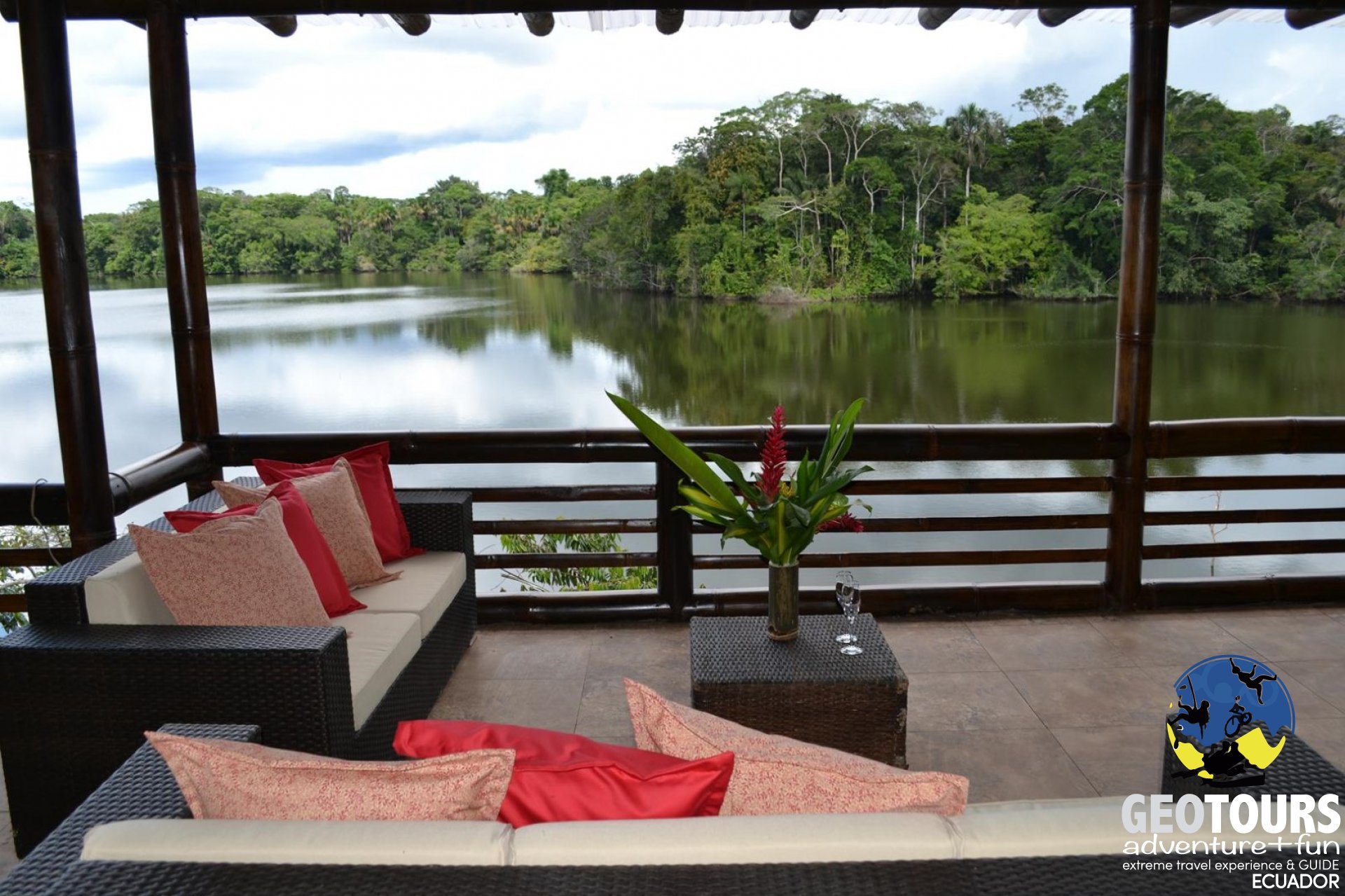
Yasuní National Park, which covers almost one million hectares, is one of the essential biosphere reserves in the world and is home to two indigenous peoples in isolation: the Tagaeri and the Taromenane.

In 2007, the government of former president Rafael Correa proposed not to exploit the oil reserves under Yasuní in exchange for economic compensation from the international community.

However, his proposal did not succeed, and in 2014 oil exploitation began in the axis known as Ishpingo, Tambococha, and Tiputiuni (ITT), in an apex of Yasuní, under the criterion of doing so with the greatest possible environmental care and the use of state-of-the-art technology to minimize the impact of the activity.

This article was produced by The Rio Times’ automated newsroom system. How we use AI · Report an error

Read More from The Rio Times

The Rio Times · Power Map
See who really holds power in Latin America
Click to open the Power Map

Rotate for Best Experience

This report is optimized for landscape viewing. Rotate your phone for the full experience.