IBOV 171,031.73 ▲ 1.85% IPSA 11,338.38 ▲ 0.89% IPC MEX 65,729.18 ▲ 2.14% MERVAL 2,913,184 ▲ 1.30% COLCAP 2,459.23 ▲ 0.61% BVL PERÚ 58,698.13 ▲ 2.60% USD/BRL5.14▼ 0.05% USD/MXN16.89▼ 0.10% USD/CLP914.28▼ 0.08% USD/COP3,043▲ 0.15% USD/PEN3.35▼ 0.06% USD/ARS1,499▼ 0.03% USD/UYU40.20▲ 1.52% USD/PYG5,996▲ 1.39% USD/BOB11.43▲ 0.51% USD/DOP58.82▲ 0.19% USD/CRC450.05▲ 1.95% USD/GTQ7.62▲ 2.13% USD/HNL26.81▲ 1.55% USD/NIO36.62— 0.00% USD/VES782.70▼ 0.13% USD/PAB1.00— 0.00% USD/BZD2.00— 0.00% USD/JMD 157.28 — 0.00% USD/TTD6.71▲ 0.82% EUR/BRL6.00▼ 1.09% BRENT 88.88 ▼ 0.03% WTI 83.11 ▼ 0.11% IRON ORE 161.91 — — COPPER 6.61 ▲ 0.03% GOLD 4,461 ▲ 1.78% SILVER 65.59 ▲ 1.26% SOY 1,184 ▲ 3.20% CORN 480.50 ▲ 10.02% WHEAT 655.00 ▲ 3.93% COFFEE 317.25 ▼ 5.51% SUGAR 16.43 ▼ 1.79% ORANGE JUICE 138.55 ▼ 0.47% COTTON 85.03 ▲ 2.33% COCOA 5,719 ▲ 3.18% BEEF 223.60 ▼ 3.93% CATTLE 339.10 ▼ 3.16% LITHIUM 75.20 ▲ 1.47% PETR4 41.64 ▼ 0.05% VALE3 72.97 ▲ 0.83% ITUB4 38.60 ▼ 1.03% BBDC4 16.85 ▲ 0.36% ABEV3 14.89 ▼ 0.80% BBAS3 19.37 ▲ 0.47% B3SA3 14.26 ▼ 0.21% WEGE3 47.59 ▲ 0.49% PRIO3 59.14 ▼ 0.19% SUZB3 41.33 ▲ 2.35% RENT3 34.68 ▼ 0.09% AZZA3 15.89 ▼ 2.63% CSAN3 3.22 ▼ 1.83% RAIZ4 0.25 — 0.00% PCAR3 2.75 ▼ 0.36% GMAT3 3.65 ▼ 1.08% PSSA3 48.13 ▼ 0.54% CVCB3 1.33 ▼ 2.92% POSI3 3.36 ▲ 2.44% SLCE3 13.34 ▲ 0.30% NATU3 8.14 ▼ 0.73% IBOV 171,031.73 ▲ 1.85% IPSA 11,338.38 ▲ 0.89% IPC MEX 65,729.18 ▲ 2.14% MERVAL 2,913,184 ▲ 1.30% COLCAP 2,459.23 ▲ 0.61% BVL PERÚ 58,698.13 ▲ 2.60% USD/BRL 5.16 ▲ 0.01% USD/MXN 17.06 ▼ 0.24% USD/CLP 913.98 ▲ 0.04% USD/COP 3,140 ▲ 0.03% USD/PEN 3.36 ▼ 0.66% USD/ARS 1,493 ▲ 0.10% USD/UYU 40.27 ▲ 1.24% USD/PYG 5,939 ▲ 1.68% USD/BOB 11.64 ▼ 0.76% USD/DOP 58.34 ▲ 1.25% USD/CRC 445.92 ▲ 0.89% USD/GTQ 7.62 ▲ 2.21% USD/HNL 26.79 ▲ 1.57% USD/NIO 36.62 ▲ 0.69% USD/VES 762.44 ▼ 0.13% USD/PAB 1.00 — 0.00% USD/BZD 2.00 — 0.00% USD/JMD 157.28 — 0.00% USD/TTD 6.70 ▲ 0.61% EUR/BRL 5.95 ▲ 1.01% BRENT 88.88 ▼ 0.03% WTI 83.11 ▼ 0.11% IRON ORE 161.91 — — COPPER 6.61 ▲ 0.03% GOLD 4,461 ▲ 1.78% SILVER 65.59 ▲ 1.26% SOY 1,184 ▲ 3.20% CORN 480.50 ▲ 10.02% WHEAT 655.00 ▲ 3.93% COFFEE 317.25 ▼ 5.51% SUGAR 16.43 ▼ 1.79% ORANGE JUICE 138.55 ▼ 0.47% COTTON 85.03 ▲ 2.33% COCOA 5,719 ▲ 3.18% BEEF 223.60 ▼ 3.93% CATTLE 339.10 ▼ 3.16% LITHIUM 75.20 ▲ 1.47% PETR4 41.64 ▼ 0.05% VALE3 72.97 ▲ 0.83% ITUB4 38.60 ▼ 1.03% BBDC4 16.85 ▲ 0.36% ABEV3 14.89 ▼ 0.80% BBAS3 19.37 ▲ 0.47% B3SA3 14.26 ▼ 0.21% WEGE3 47.59 ▲ 0.49% PRIO3 59.14 ▼ 0.19% SUZB3 41.33 ▲ 2.35% RENT3 34.68 ▼ 0.09% AZZA3 15.89 ▼ 2.63% CSAN3 3.22 ▼ 1.83% RAIZ4 0.25 — 0.00% PCAR3 2.75 ▼ 0.36% GMAT3 3.65 ▼ 1.08% PSSA3 48.13 ▼ 0.54% CVCB3 1.33 ▼ 2.92% POSI3 3.36 ▲ 2.44% SLCE3 13.34 ▲ 0.30% NATU3 8.14 ▼ 0.73%
since 2009
Sunday, August 23, 2026

Emigration from Venezuela Slows Down, Number of Returnees Increases

By · February 19, 2020 · 3 min read

Daily Brief

The morning intel from across Latin America. Free.

By subscribing you agree to our privacy policy. We never share your email.

RIO DE JANEIRO, BRAZIL – Opinion research institutes in Venezuela and the US news agency Bloomberg, specializing in economic issues, have drawn attention to changes in migration flows into and out of Venezuela.

A slight stabilization of the Venezuelan economy, and negative experiences in the migrants’ host countries are said to have slowed down emigration. More and more Venezuelans are returning to their homeland.

Opinion research institutes in Venezuela and Bloomberg have drawn attention to changes in migration flows to and out of Venezuela. (Photo internet reproduction)
One-stop reference
Company Intelligence
Every listed company in Latin America — financials, ownership and structure for 1,450+ companies across 26 exchanges, in one place.
Browse the directory →
RT
Ask Rio Times
17 years of Latin America reporting, on demand.
Open the full Ask Rio Times →

According to the UN, millions of Venezuelans have left their country in recent years as a result of the severe economic and food crisis. Most of them have found refuge in other Latin American countries, although a significant number have also found refuge in the USA, Canada and Spain.

For a year now, emigration has been used by the US government and its international allies as an argument for the delegitimization of President Nicolás Maduro’s socialist government. This has been intensified by the massive economic and financial sanctions imposed by the USA on Venezuela.

Meanwhile, fewer Venezuelans are leaving the country. According to a report by Datanalisis in December, the proportion of people considering emigrating fell to 38 percent, five points less than the year before.

Among those who emigrated in the past five years, 17 percent, or approximately one million, had returned during the same period, Bloomberg says, quoting the available data. The Venezuelan government introduced a program last year to provide transport back home and some initial aid to those who had been stranded abroad and wished to return.

Bloomberg reports about a 35-year-old Venezuelan who experienced miserable living conditions in Argentina. The returnee describes xenophobia, the lack of rights as a refugee and the exploitation that ensued. The improved prospects of finding a job in Venezuela paid in US dollars also influenced his decision.

The Venezuelan government has brought back a certain stability to its country, the news agency added. The news agency believes this is due to the fact that President Maduro “has allowed the dollar to flow freely and private enterprise to thrive in recent months”.

Instead of restricting the dollar, the government is passing laws to tax dollar transactions and allowing companies to settle debts in foreign currency.
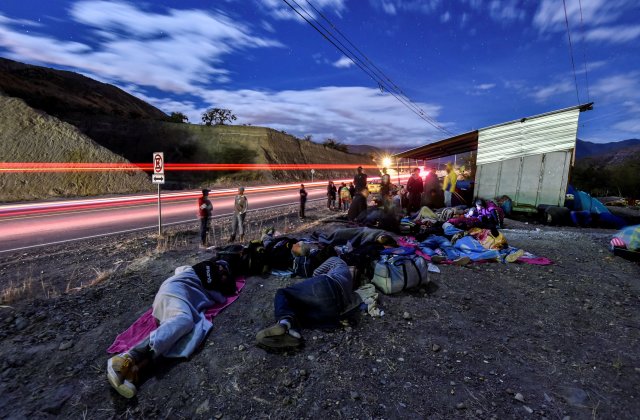
Bloomberg reports about a 35-year-old Venezuelan who experienced miserable living conditions in Argentina. The returnee describes xenophobia, the lack of rights as a refugee and the over-exploitation that ensued.
Bloomberg reports about a 35-year-old Venezuelan who experienced miserable living conditions in Argentina and returned to Venezuela. (Photo internet reproduction)

Speaking at a press conference on Friday, Maduro said that the dollarization and the use of the state-created Petro crypto-currency, which was introduced in 2018, had helped the domestic economy.

“Venezuela has a humanist government that is building socialism, our economy is resisting,” the president told international media outlets. He said he was aware that the aim of attacking the Venezuelan economy was to entrench capitalism.

He added that this would not be tolerated. However, many of the dollars that come from the private sector would boost the economy, having earlier been used only as oil royalties. The real solution to stabilization, however, would be the final introduction of the Petro crypto-currency in all companies, Maduro explained.

This article was produced by The Rio Times’ automated newsroom system. How we use AI · Report an error

Read More from The Rio Times

The Rio Times · Power Map
See who really holds power in Latin America
Click to open the Power Map

Rotate for Best Experience

This report is optimized for landscape viewing. Rotate your phone for the full experience.