The raging homicide pandemic as basis of Latin America’s nostalgia for strong leaders
RIO DE JANEIRO, BRAZIL – Latin America and the Caribbean have struggled for years with an epidemic other than the coronavirus. The high homicide rates in most countries in the region have led the World Health Organization to classify this scourge as an epidemic.
According to the United Nations Development Program (UNDP), between 2000 and 2010, more than one million people died as a result of criminal violence. During these years, the homicide rate increased by almost 11%, recording more than 100,000 murders per year. In this context, governments on both sides of the political spectrum have implemented security policies, and “iron fist” strategies have become increasingly popular.
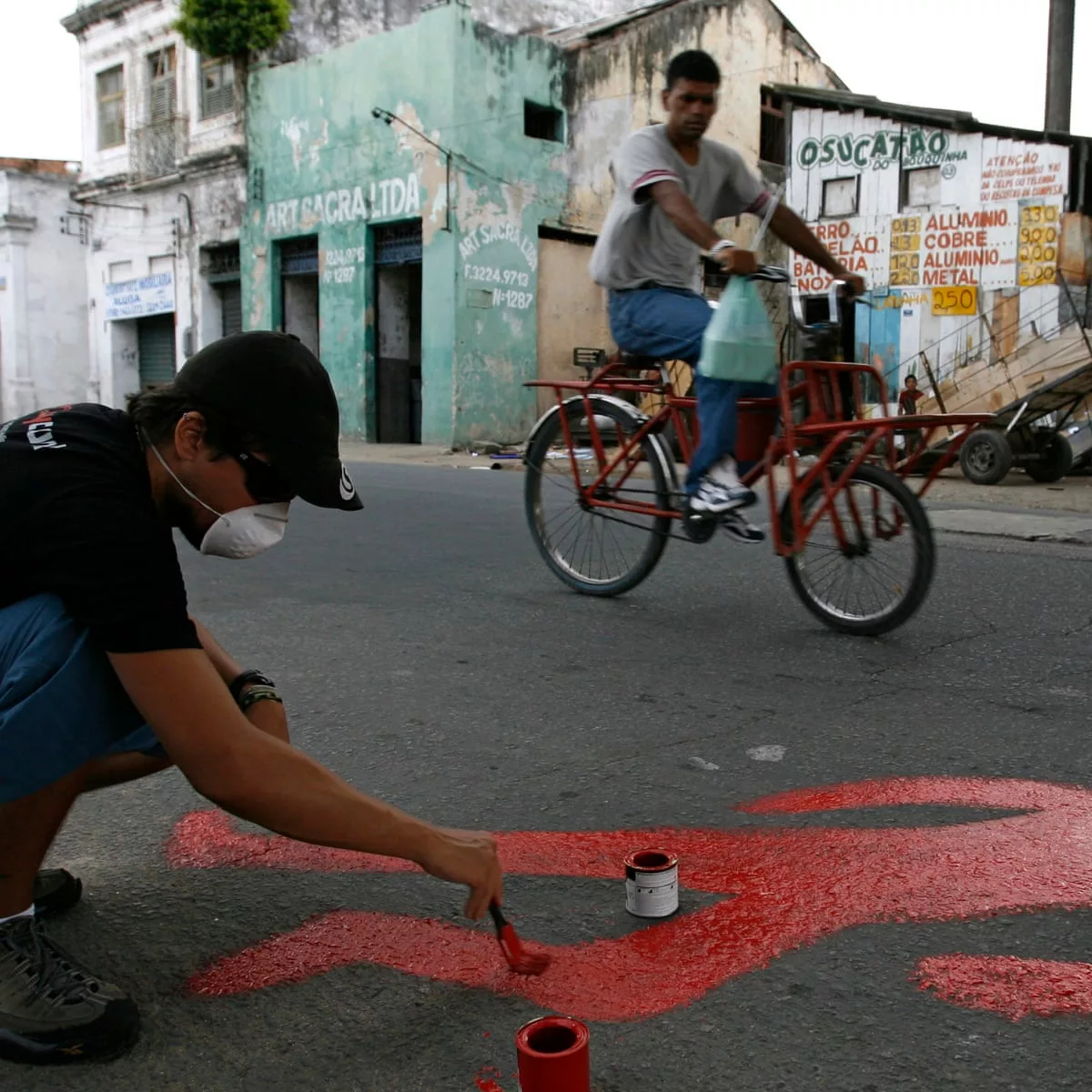
The toughening of sentences, the discretionary use of force by the police, mass incarceration and even the militarization of domestic politics were some of the initiatives to deal with the violence and the feeling of insecurity. But according to various surveys, the policies of the iron fist have a limited impact on homicide rates and overall crime levels.
Criminal networks have adapted to these strategies, becoming more violent and organized. Some studies also point out that the iron-fisted policies implemented in the region over the past decades have undermined democracy in different ways. In this context, why does the heavy hand remain so popular despite much evidence against it?
Brazil and Colombia
As in other countries, perceptions of insecurity in Brazil and Colombia favored the election of right-wing candidates to power backed by radical proposals against crime.
In 2018, Colombians voted for Iván Duque, who promised to revive many of the strategies implemented by former President Álvaro Uribe, so that criminals in his country know from day one that “here you are doing it, you pay it here “. The same year, Brazil elected Jair Bolsonaro, who in addition to praising the decades of military dictatorship, guaranteed without hesitation that with his plan criminals “would die in the streets like cockroaches”.
Crime rates in the two countries do not directly influence people’s punitive preferences. Support for the Iron Fist appears to be linked to emotional factors such as fear of crime.
Conservative voters, on the other hand, aren’t necessarily more punitive, as iron-fisted support spans the entire ideological spectrum. Likewise, those who support the armed forces, an institution that enjoys a high level of trust in both countries, are more likely to favor extreme measures on the issue.
Despite the choices made by voters in Brazil and Colombia, the socio-economic determinants underlying the growing popularity of these measures are not the same in the two countries.
In Brazil, the political regime does not seem to be a priority if the government is to fight crime, as supporters of democracy and supporters of the military regime agree that the penalties for crime should be increased.
Interestingly, the Brazilian case also reveals that the demand for an iron fist is increasing among those with higher education levels and higher monthly family income. This suggests that punitive preferences are linked to social class.
In Colombia, on the other hand, people who believe that democracy is the best system of government are more supportive of the iron fist. This explains why Colombians are unwilling to sacrifice democracy to fight crime, despite their punitive preferences.
In addition, the survey results also indicate that the elderly and those residing in rural areas are more likely to support extreme measures. While aging appears to be linked to a reduced risk of victimization and to the fact that older people have witnessed violence “guerre contre la drogue” in the 1980s and 1990s, punitivism in rural areas was probably associated with high levels of drug trafficking and guerrilla organizations.
Colombians and Brazilians share a deep concern over crime and insecurity, and citizens of both countries stand ready to take drastic action.
The rise of Bolsonaro and Duque, similar to that of other countries in the region over the past decade, can be understood as a response to public opinion and the growing popularity of punitivism. It is in a context where the traditional party system and political ideologies lose their relevance in the face of perceptions of insecurity.
On the other hand, high levels of trust in the armed forces have accelerated the militarization of internal security, despite human rights violations and negative consequences for democracy. Just decades after the democratization process that characterized Latin America, the scenarios in Colombia and Brazil illustrate many of the dilemmas the region faces today.
Source: KSU
More: Brazil news in English, every day from The Rio Times.
This article was produced by The Rio Times’ automated AI newsroom. Editorial responsibility: Matthias Camenzind, Publisher and Editor-in-Chief. The Rio Times also runs Ask Rio Times, which answers from 100,000+ of our own articles, the daily Latin America Power Map, and prediction-market odds on elections and markets.. How we use AI · Report an error
Brazil runoff, Sunday, October 25: Brazil runoff date. Latest: Brazil runoff polls, Flávio 51%, Lula 49%.