List Naming 12,000 Argentine Members of the 1930’s Nazi Party Finally Published
RIO DE JANEIRO, BRAZIL – A list dating from the 1940s with the names and dates of some 12,000 members of the former German National Socialist Workers’ Party (NSDAP, often called the Nazi Party) who were residents in Argentina has recently been handed over to the Simon-Wiesenthal Center.
The document is the result of the “Special Commission to Research Anti-Argentine Activities”, which was set up in the late 1930s by then President Roberto Ortiz to contain National Socialist activities in Argentina.

The data was collected and compiled by the Special Commission during a raid on the headquarters of the German Labor Front in Buenos Aires in 1941. After the military coup by the Nazi-friendly “Group of United Officers” (GOU) in 1943, however, virtually all copies of the list were destroyed.
In 1984 the Argentinean researcher Pedro Filipuzzi came, by chance, into possession of a version of the original list in an abandoned warehouse. He recently handed it over to the Simon-Wiesenthal Center. Why the list did not become public until 36 years later remains unclear in official statements and international press reports.
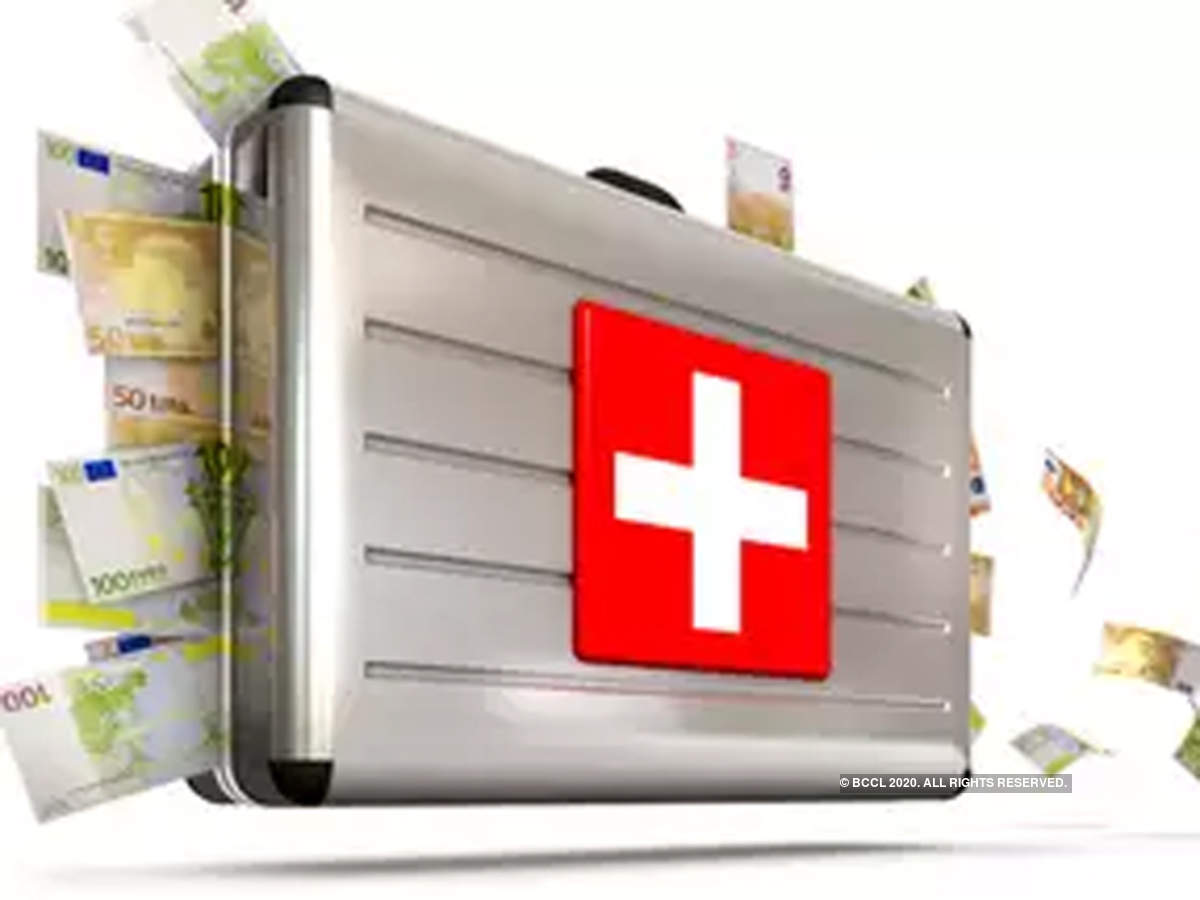
The document is of current relevance because it shows that many of the private individuals and companies listed in it maintained bank accounts in Switzerland.
A large proportion of these individuals and companies are said to have made transfers to a single account held by the former Schweizerische Kreditanstalt, now Credit Suisse, with its headquarters in Zurich.
The transfers currently amount to approximately €33 billion. According to estimates by the Simon-Wiesenthal Center, it can be concluded that these transfers involve money laundered from stolen Jewish assets, which was transferred to Swiss accounts via Argentinean companies and private individuals.
Shimon Samuels, Head of the International Relations Department, and Ariel Gelblung, in charge of the Latin America region at the Simon Wiesenthal Center, have called on Credit Suisse to grant them access to the accounts in question, which are related to Argentina.
“We believe that this money, which is currently held in inactive accounts, is the result of the looting of Jewish assets,” the letter said.
In an official statement, Credit Suisse announced that the situation would be analyzed again and is in contact with the Wiesenthal Center in this regard. In addition, the bank also pointed out that it had already cooperated with the so-called “Volcker Commission”.
As a result of the investigations led by US banker Paul Volcker in the 1990s into the involvement of Swiss banks in the business of looted Jewish assets, Credit Suisse, together with other banks, had agreed to pay US$1.25 billion in 1998.
The list that has now surfaced in Argentina has reignited the debate about the current value of the stolen Jewish assets that are still stashed in Swiss accounts.
But the list also sheds light on Argentina’s history in the 1930s and 1940s and the relations of its governments with Nazi Germany and its sympathizers.
As a result, the fascist organizations were able to operate freely during the terms of presidents José Felix Uriburu (1930-1932) and Agustín P. Justo (1932-1938). They operated two headquarters in the center of Buenos Aires and organized a mass public rally in April 1938, with thousands of participants on the occasion of Austria’s “connection” (annexation) to the German Reich.
President Juan Domingo Perón (1946-1955) appointed Rodolfo Freude as his private secretary. According to historian Uki Goñi, Freude is said to have acted in this capacity as a liaison and escape agent for high-ranking Nazi officials such as Adolf Eichmann, Erich Priebke and Josef Mengele who were allegedly smuggled into Argentina.
More: Latin America news in English, every day from The Rio Times.
This article was produced by The Rio Times’ automated newsroom system. How we use AI · Report an error · Editorial responsibility: Matthias Camenzind, Editor-in-Chief