Russian Planes Bring Millions of Dollars to Venezuela to Assist Maduro’s Regime
RIO DE JANEIRO, BRAZIL – Hundreds of millions of dollars in cash have been sent from Russia to Venezuela, a lifeline for the South American country with limited access to the global financial system because of US sanctions.

A total of US$315 million, between dollars and euros, was sent in six separate deliveries from Moscow to Caracas from May 2018 to April 2019, according to data compiled by Bloomberg from ImportGenius, which collected Russian customs records from private sources. The cash comes from lenders managed by the countries’ governments and was intended for Venezuela’s development bank, according to records.
While the money could be for any number of purposes – return of Venezuelan cash abroad, or dividends from a stake in a Moscow-based bank, or income from sales of crude oil or gold – the complex logistical feat shows one of the ways in which President Nicolas Maduro‘s administration has tried to circumvent aggressive US financial sanctions. As a result, the central bank now conducts more cash transactions, sometimes offering local customers access to euros.
ImportGenius data run through April of this year. That month, approximately US$97 million was sent in two loads from Moscow-based Evrofinance Mosnarbank to Venezuela’s Banco de Desarrollo Económico y Social, or BANDES. Evrofinance is a partnership between BANDES and Russia’s state property management agency.
In January, the equivalent of US$113 million in 100-euro banknotes was sent from state lender Gazprombank, which at the time had a stake in Evrofinance. The same institution sent US$50 million just two days earlier, and two separate unspecified currency shipments totaling US$55 million were made in May and July last year.
Evrofinance press officer failed to reply to a request for comments. Requests made to BANDES through Venezuela’s Ministry of Economy were redirected to the Ministry of Information, which failed to reply.
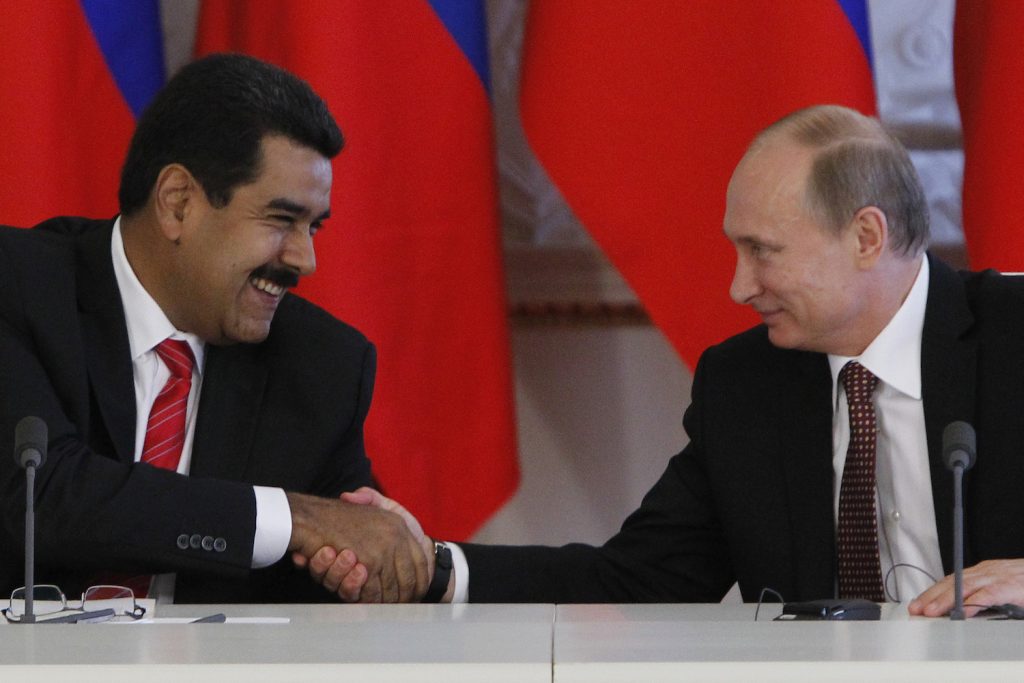
A Venezuelan government official, who asked to remain anonymous due to the sensitive nature of the issue, confirmed that the country had received cash deliveries linked to Evrofinance, but would not comment further.
Anton Trifonov, spokesman for Gazprombank, refused to comment on the cash transfers, but pointed out that “BANDES’ correspondent account with Gazprombank, as well as any cooperation between banks, was fully canceled in March 2019”.
The Venezuelan regime has tried its best to preserve access to hard currency, as US sanctions isolate it from conventional financial systems, and major banks refuse to do business with Maduro. Among other methods, the regime has resorted to secret gold sales to raise funds, while studying the feasibility of using cryptocurrencies or a global payment system administered by Russia to send money.
BANDES was sanctioned in March by the United States, which alleged that Maduro uses the bank’s accounts to keep a substantial amount of money abroad, mainly in Europe. Officials said the Venezuelan government had begun withdrawing funds from the central bank, transferring them to BANDES.
Last year, Maduro’s government selected Evrofinance to handle some payments to its suppliers, who were urged to route international transactions through the Moscow bank. Later that year, Venezuela appointed a former Evrofinance board member as a senior official in the nation’s banking system.
Source: Infobae
More: Latin America news in English, every day from The Rio Times.
This article was produced by The Rio Times’ automated newsroom system. How we use AI · Report an error · Editorial responsibility: Matthias Camenzind, Editor-in-Chief
In depth
Venezuela and the United States
- What Is Going On Between Venezuela and the United States?
- What Is Going On Between Venezuela and the United States?
- Venezuela Geopolitics Explained, US Now Runs Its Oil
- Venezuela Politics 2026, Who Holds Power After Maduro