Jujuy, Salta, Tucumán, Santiago del Estero, Catamarca, and La Rioja are the six Argentine provinces that make up the country’s northern region. These destinations stand out for their multiple options of natural routes, culture, and gastronomy.
Argentina is a well-known destination for its soccer, mate, tangos, and barbecues. Its capital, Buenos Aires, is a city that has inspired artists from all over the world for many years and is one of the top destinations for many travelers.

However, the country is much more than this. In addition to its gastronomic and cultural offer, Argentina stands out for its natural wonders: it is a country that has it all.
In the north, for example, there are multiple options to discover.
1. Jujuy
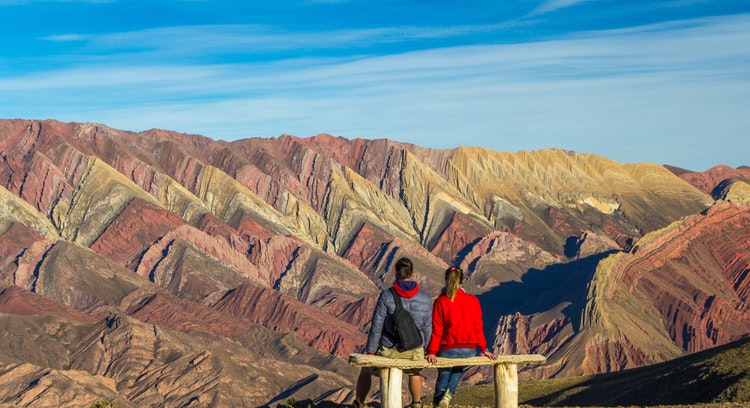
Jujuy is perhaps the most colorful province in the region. Its main tourist center is the Quebrada de Humahuaca, declared a World Heritage Site by UNESCO.
Along its route – National Route 9 -visitors will find pre-Hispanic works such as the Pucará de Tilcara, one of the most visited places by national and international tourists.
Before reaching Tilcara, in a short detour along National Route 52, Purmamarca emerges shy and imposing simultaneously.
This town, located in the gorge of the same name, is a veritable postcard. Its narrow streets, vendors selling fabrics and ponchos traditional to the area, and the majestic Cerro de Los Siete Colores provide unparalleled splendor.
From there, visitors may head to Salinas Grandes, an incredible salt desert, through the fantastic Cuesta de Lipán.
It is considered the third largest salt flat in South America, and it is advisable to wear light, comfortable shoes and sunglasses.
Not to be missed: La Serranía del Hornocal, better known as the “Hill of the 14 colors” due to the erosion caused by the winds and the rains, creating a wide range of shades.
2. Tucumán

One of the geographically smallest provinces in the whole country, Tucumán has a rich history – it is where the founding stone that marked the beginning of Argentina’s independence was planted.
Tourists can walk through the streets that preserve the traces of a history of struggle in a colonial period marked by wars and massive immigration nowadays reflected in its architecture, music, art, and gastronomy.
El Mollar, next to Los Menhires Park, La Angostura Dam, Amaicha del Valle – a town where the sun shines 360 days a year – and the Cuesta del Infiernillo is just some of the attractions in these valleys.
The province can be visited all year round. Summer is hot, but the valleys are usually fantastic.
3. Salta
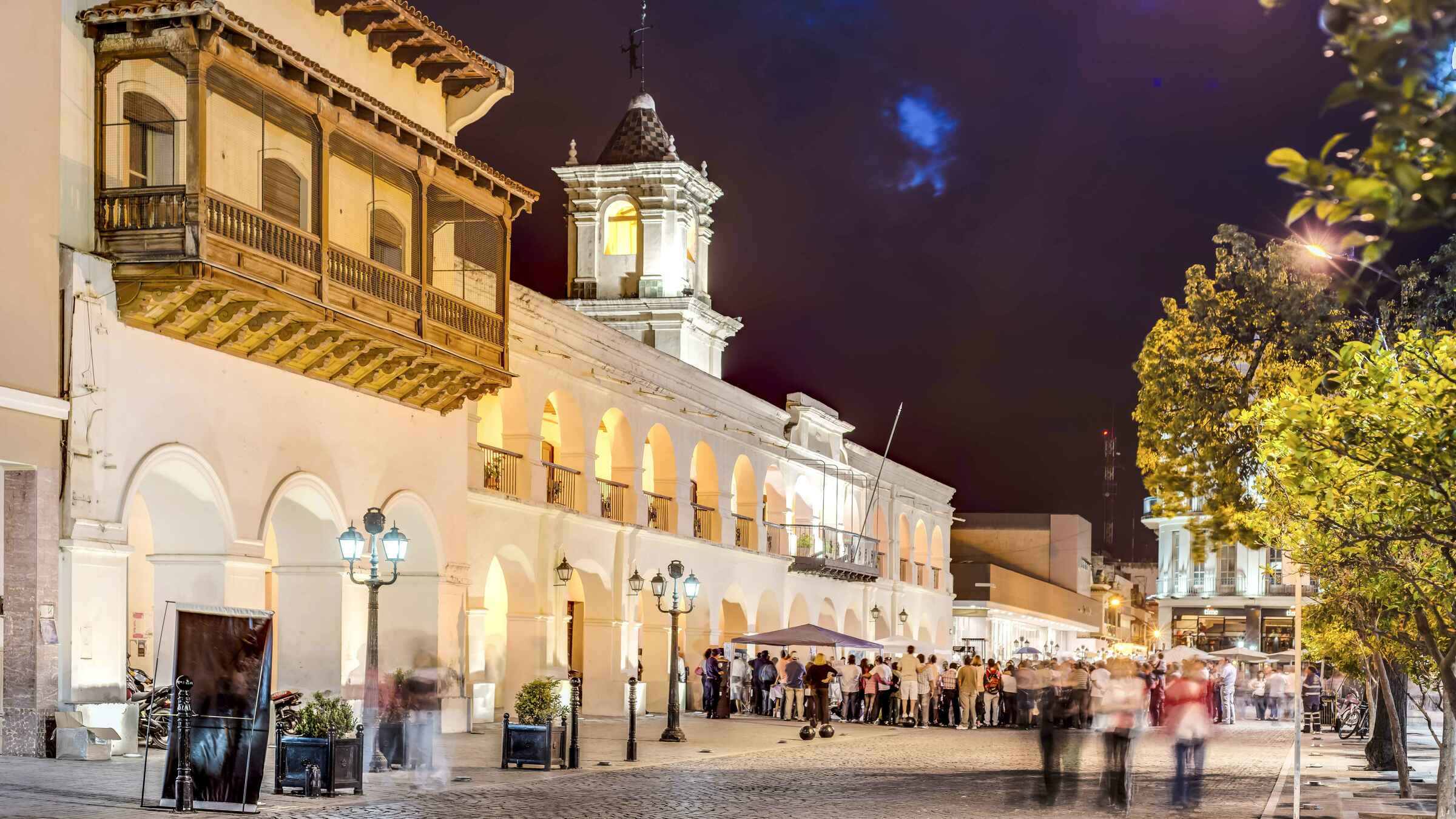
The province of Salta has established itself as one of Argentina’s most important tourist spots. Its motto is “So beautiful that you will fall in love with it”. And so it is.
Its hotels, the typical gastronomy with its delicious empanadas and tamales, flight connectivity, and the different circuits attract tourists to experience a unique stay.
The city of Salta represents a clear testimony of colonial architecture, with its hallmark that combines elegance, brightness, and modernism.
After coronavirus restrictions are lifted, this urban center is more than ready to host all kinds of international events, such as conventions, conferences, and first-class shows.
National Route 68, the Quebrada de las Conchas (Las Conchas Gorge) emerges south of the city.
Rock formations, different colors, and a natural amphitheater make up this excellent path leading to Cafayate. Once installed in this locality, tourists experience luxury and comfort through the exquisite “torrontés” white wine – an icon of Salta – and the cozy farms.
From Cafayate to Cachi, along the iconic National Route 40, the Quebrada de las Flechas and the Brealito Lagoon are true masterpieces of nature.
Once in Cachi, visitors are enchanted by the town’s scenic location.
Traveling from Cachi to Salta along the Cuesta del Obispo, another monumental road not to be missed is highly recommended.
4. Catamarca
Like all of this country’s provinces, Catamarca has charm reflected in its colonial-style architecture and typical foods that sit well after a bit of folklore dance.
Driving along National Route 60, visitors can appreciate the magnificence of Catamarca’s landscapes.
The mountainous area of the province is an invitation to dream and to experience sensations never felt before.
Reaching the San Francisco Pass – the border with Chile – will provide tourists with an unforgettable experience. Every meter traveled here is a new postcard.
The Adobe Route, with Fiambalá as its epicenter, is designed to embrace the significant constructions built with this material, touching from beginning to end.
Here tourists may also enjoy exclusive thermal areas, with an imposing landscape in the background.
Medanitos is yet another impressive site. Upon entering this small village, from a distance, it seems to be a mountain range larger than the Andes.
However, upon approaching it, one realizes that it is made up of white dunes, ideal for sandboarding.
Tatón offers the same conditions for this activity and has become a photographic stop for its exotic landscapes.
The slopes of Portezuelo, Piedras Blancas and Las Pirquitas Dam are magic on four wheels.
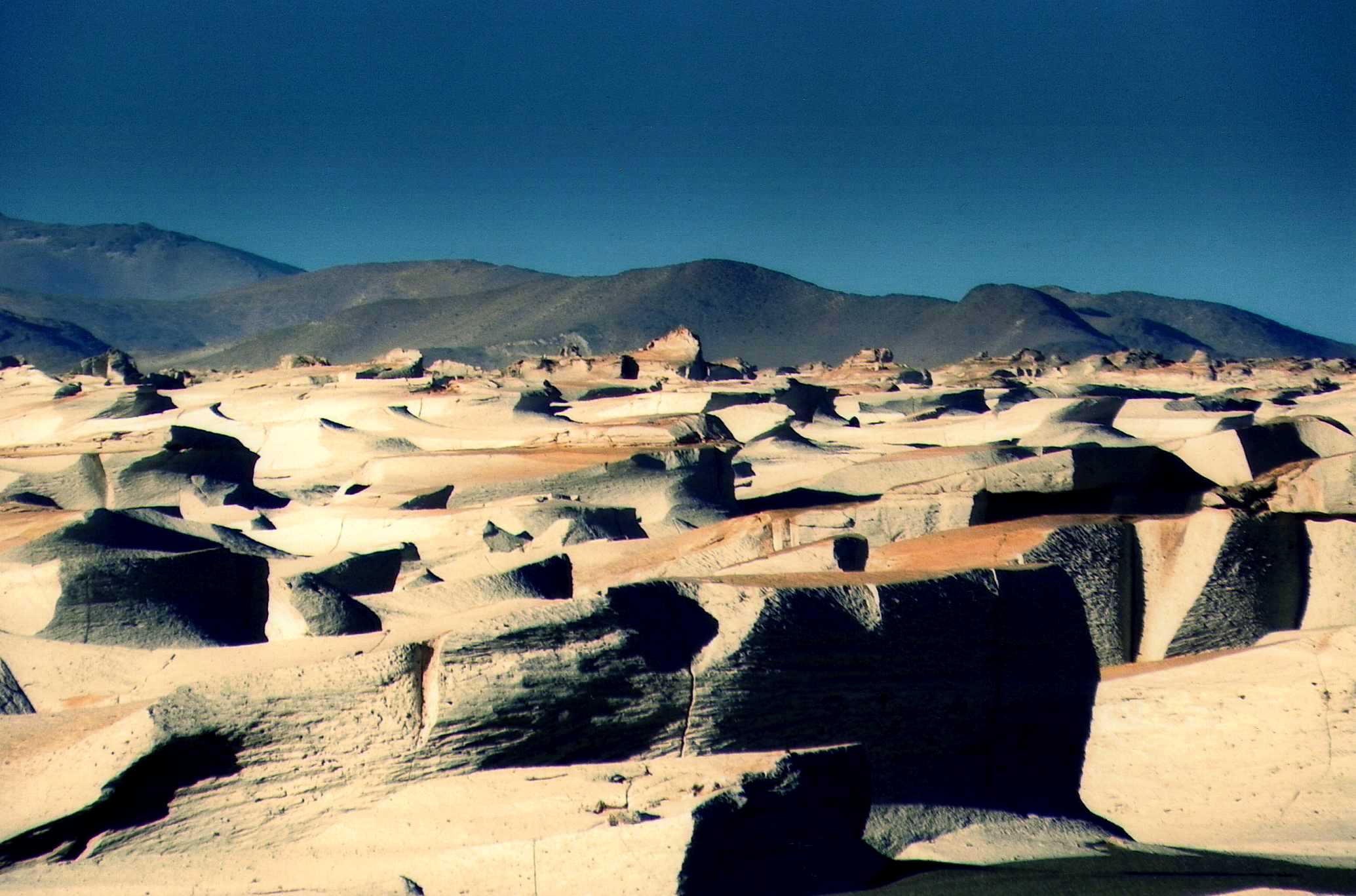
As well as the Piedra Pómez field, another obligatory photographic stop located in the heart of the Puna Catamarca, with its white rocks that were eroded by the wind and turned pink on their ridges.
Regarding festivals, the Fiesta Internacional del Poncho has been honoring the work of artisans and weavers for over 50 years, who are the night hosts.
The poncho is the star of this celebration.
A cultural symbol of the province, it is displayed for a whole day to the rhythm of the music in a festival that is felt as “the party of all” that proudly displays a nation’s origins.
5. La Rioja
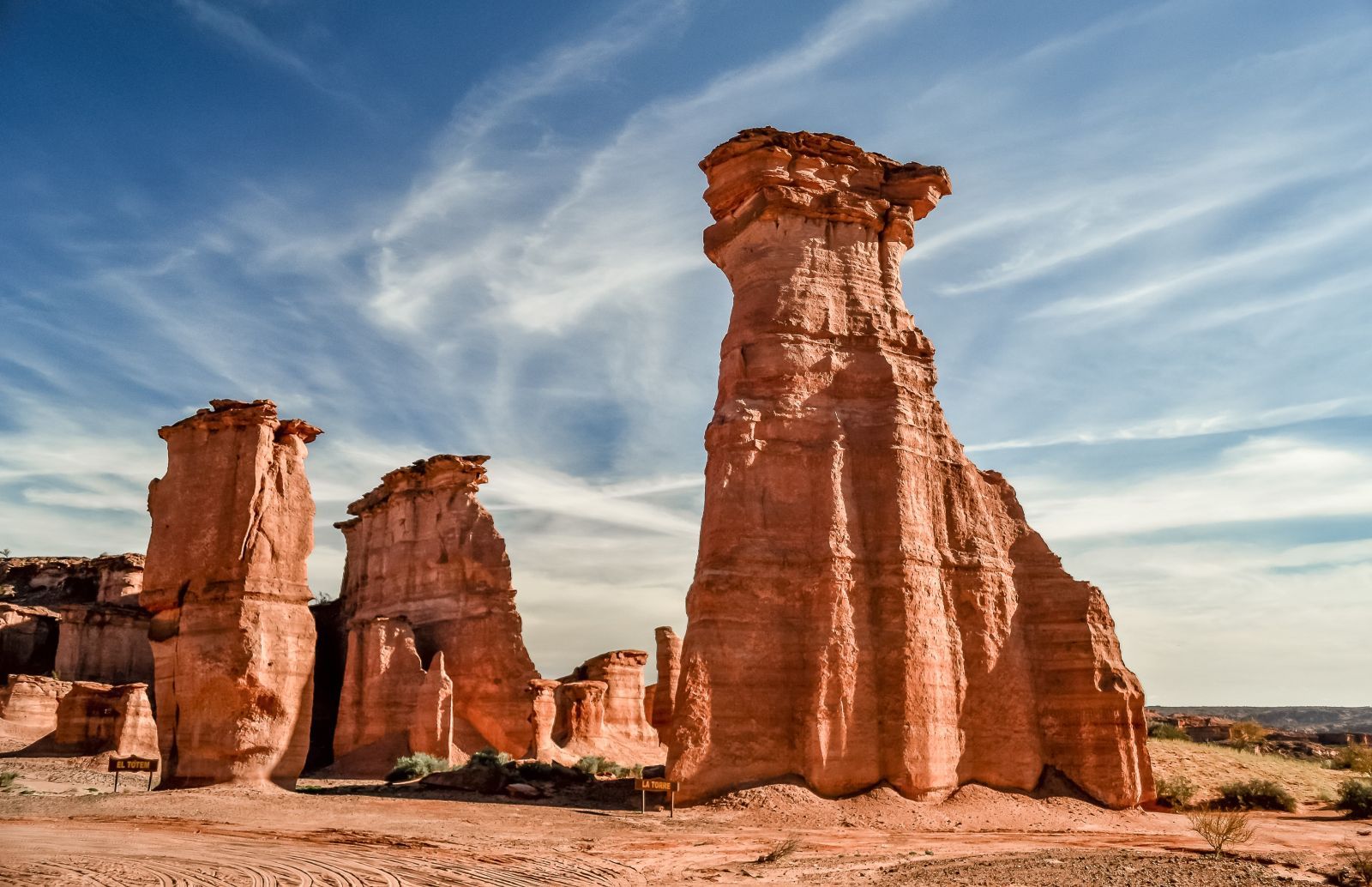
When discussing tourism in the province of La Rioja, one immediately thinks of Talampaya National Park, one of Argentina’s World Heritage Sites.
Here lies a vast expanse of the red earth of ancient sediments that are 250 million years old.
Its route is an unparalleled wonder, similar to the Colorado river’s Grand Canyon in the United States.
However, Talampaya is not the only attraction. The provincial capital is a melting pot of relics of the past that combine perfectly with the present.
Anyone who comes to these lands will not be able to resist the delicacy of the region: La Rioja goat served with a glass of Torrontés wine.
6. Santiago del Estero
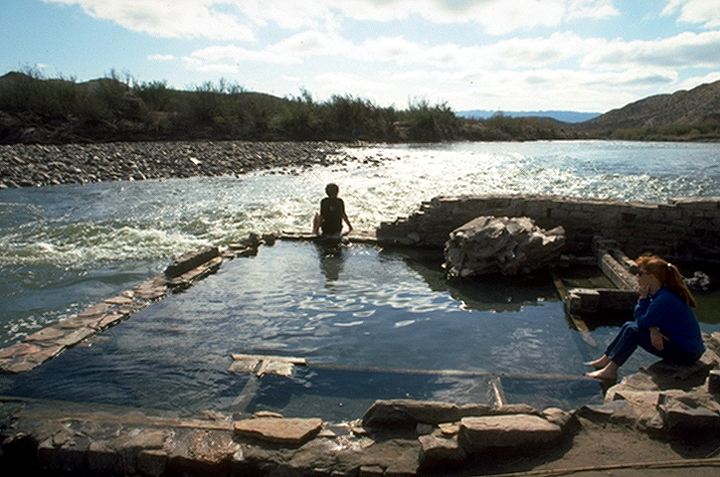
The province of “the healing waters,” as it is commonly called, Santiago del Estero, is the ideal place for a well-deserved rest and to revitalize oneself with the hot springs of Rio Hondo, rich in minerals whose high temperatures range between 30ºC and 85ºC.
The city of Santiago del Estero is considered to boast the largest and most influential hot springs center in Argentina.
Its “miraculous waters” have made it one of the most visited destinations, particularly by the elderly who suffer from body pain and need specific treatments.
Thus, every traveler looking for a trip to relax and unwind will find the healing they need to return rejuvenated.
The remarkable peculiarity noted by all travelers who come to visit Santiago is that the city of Rio Hondo is located on a large hot spring that covers 12 square kilometers, which means that spring water is not only found around resorts and pools but everywhere – after all, “Estero” in Spanish means “estuary”.
Thermal waters contain small amounts of different minerals such as iron, sodium, iodine, arsenic, fluorine, and bromine, which are in an ionic state and supply the body with plenty of energy.
There are public pools and small parks for anyone to dive in and enjoy these hot springs.
As in every other Argentine province, Santiago del Estero’s gastronomy boasts a peculiarity like no other.
In its case, the empanadas santiagueñas are accompanied by a feast that includes the sweet chayote squash and the typical fried tortillas that delight millions of visitors every year.
Santiago’s most important festivities include the Fiesta de la Tradición in Añatuya and the Festival Selva Portal del NOA, cultural events that pay tribute to the native peoples with their music and gastronomy.
In the last 15 years, this province has become a tourist destination with significance, particularly in sports.
It features a racetrack 6 km from the city, considered one of the best in America. It has been hosting the top international categories, such as the Moto GP and the World Touring Car Cup, for several years.
This year, it will have the honor of hosting the Moto GP at the Termas de Río Hondo International Circuit in April, following all applicable health protocols.
It also houses the Automobile Museum in the same venue where collections from the Fangio and Arturo Scalise Museum are exhibited.
This article was produced by The Rio Times’ automated AI newsroom. Editorial responsibility: Matthias Camenzind, Publisher and Editor-in-Chief. The Rio Times also runs Ask Rio Times, which answers from 100,000+ of our own articles, the daily Latin America Power Map, and prediction-market odds on elections and markets.. How we use AI · Report an error