The end of the world as we know it”, Argentina’s view of climate change
RIO DE JANEIRO, BRAZIL – (EFE) With its vast extension and biodiversity, Argentina is a favorable country to study the effects of climate change, and that is the objective of the documentary “Point of No Return”, which travels from the cold Antarctic to the northern desert to give a local look at a global phenomenon.
The biologist, journalist, and vice-minister of Environment, Sergio Federovisky conducts this work, which will be released this Saturday on the occasion of World Environment Day, in which he deposits the knowledge of more than 35 years dedicated to environmental preservation with a clear conclusion: climate change means the end of the current reality.

“The point of no return is not the end of the world, but it is the end of the world as we know it, and that opens a point of uncertainty too large because we are facing a point of no return, science is saying that we are very close to a threshold after which nothing will be as it was and we will not be able to return to the previous situation,” he told Efe.
THE TIME IS NOW
This “point of no return” is not a future problem, but the present generation will see the devastating effects on the environment.
“Every year we break the record for rising temperatures, heat waves, cold waves, droughts, floods, forest fires… every year, and when we talk about point of no return it will most likely happen within this generation, most likely it will happen within 15-20 years,” he added.
In the documentary, Federovisky travels through various parts of the country to obtain the testimony of its inhabitants, as well as that of scientists and experts, researchers from the National Council for Scientific and Technical Research (Conicet), politicians, religious leaders, and NASA scientists, who highlight the large volume of information that exists on the phenomenon and the little impact it has on world policies.
“Without information, it is impossible to make good decisions and, paradoxically, the scientists I interviewed at NASA point out that never before has humanity had such a large volume of real-time data on what is happening on the planet, at least in terms of climate, and never before have governments paid so little attention to that data,” he said.
The expert links the current situation to “30 years of successive failures in matters of public policies”, since the Earth Summit in Rio de Janeiro in 1992, in which he participated and in which the concept of “sustainable development” was established, which did not have the desired impact, together with an idea of individual action.
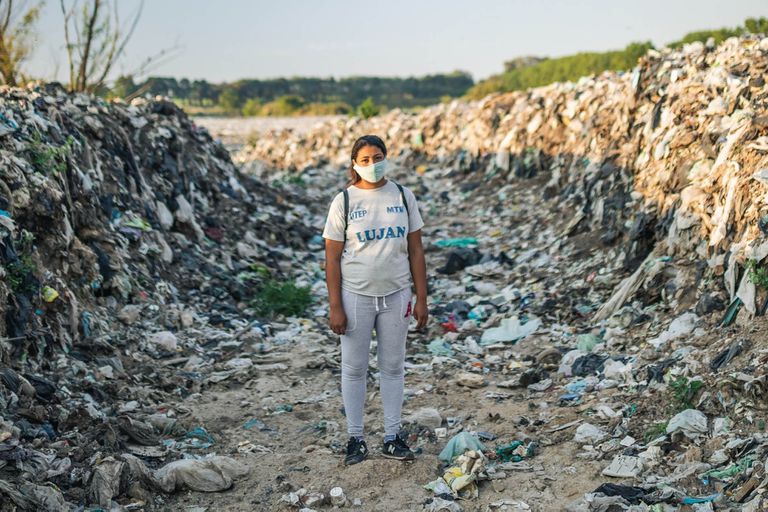
“The idea persists that the issues linked to climate change are going to be solved with individual commitments, so many politicians and many states continue to dodge it to the point of their institutional responsibility, indicating that if you separate the garbage, if you turn off the faucet (device to turn off the water), if you turn off the light and acquire individual awareness, we will solve the problem,” he stressed.
A NEW ECONOMIC MODEL
His recipe to mitigate this phenomenon is to create a new economic and productive system since the current capitalist model is “irreconcilable with the possibility of sustainability”, a system he blames for “having grown at the expense of its natural capital and for putting at risk its survival as a system due to the disappearance of that natural capital”.
One of the places he visited for the documentary, which will be available for free on the Internet, is La Poma, in the northern province of Salta, where scientists project some of the most devastating consequences of climate change.
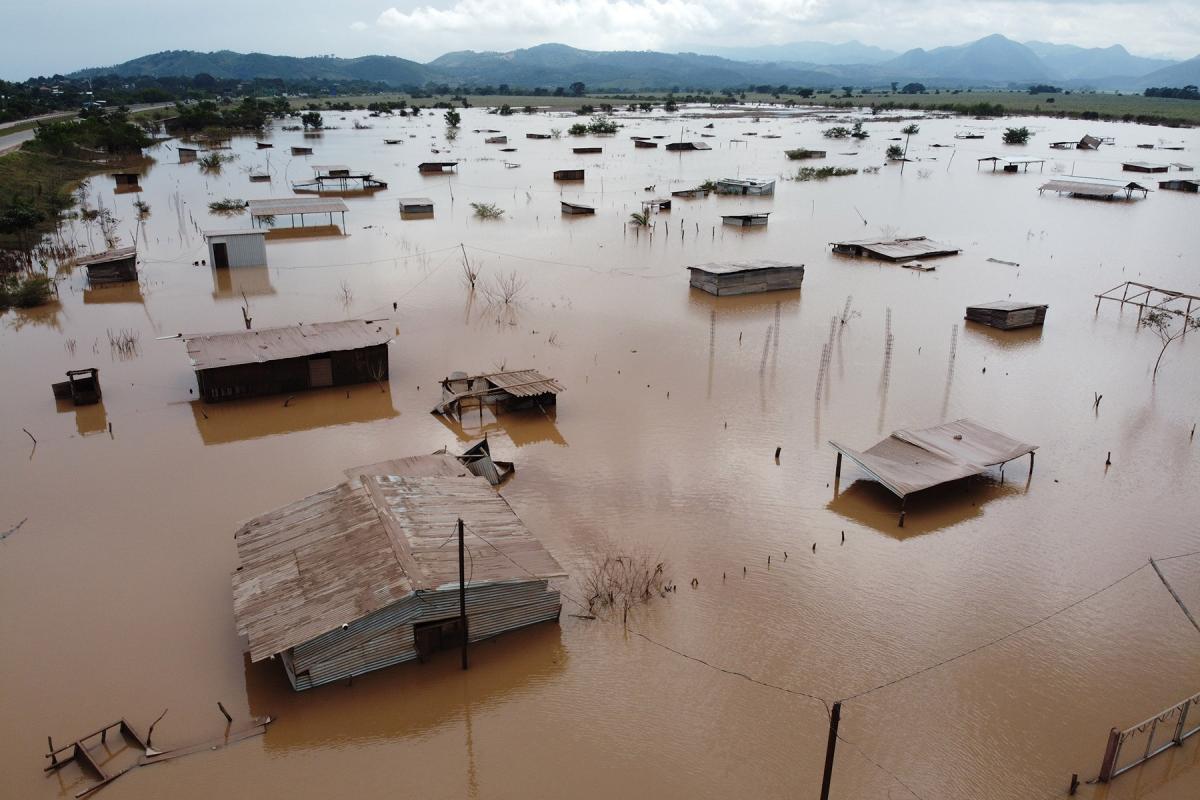
“There in La Poma will experience one of the most dramatic and life-threatening consequences of climate change: heatwaves. It is a place that, according to predictive models, will have 250 days a year with heatwaves and maximum temperatures above 50 degrees, that’s what we are talking about when we talk about climate change,” he said.
In his view, the current coronavirus pandemic should be analyzed from a health point of view and an environmental one. He warns that this type of disease is another symptom of a poor relationship with the environment.
“The pandemic is an emerging environmental crisis, undoubtedly, because all the zoonoses we have experienced in recent years, mad cow disease, avian flu, swine fever, SARS, Ebola… are all responses to the permanent subjugation that society has on the natural environment,” he concluded.
More: Argentina news in English, every day from The Rio Times.
Editorial responsibility: Matthias Camenzind, Editor-in-Chief · Editorial standards · Report an error