IBOV 171,324.31 ▼ 0.43% IPC MEX 71,674.32 ▼ 0.46% MERVAL 2,848,945 — — USD/BRL5.64▲ 1.06% USD/MXN18.58▼ 0.12% USD/CLP994.00▲ 1.14% USD/COP3,302▼ 0.16% USD/PEN3.41▼ 0.06% USD/ARS1,545▲ 0.03% USD/UYU40.52▲ 3.32% USD/PYG6,185▲ 3.33% USD/BOB11.60▲ 0.86% USD/DOP60.47▲ 0.03% USD/CRC445.25▲ 1.62% USD/GTQ7.65▲ 3.31% USD/HNL26.90▲ 3.30% USD/NIO36.62▲ 2.73% USD/VES909.35▲ 0.67% USD/PAB1.00— 0.00% USD/BZD2.00— 0.00% USD/JMD157.09▲ 2.15% USD/TTD6.71▲ 2.19% EUR/BRL6.24▲ 0.11% BRENT 95.57 ▲ 3.03% WTI 88.44 ▲ 2.21% IRON ORE 161.91 — — COPPER 6.21 ▼ 1.11% GOLD 3,889 ▼ 2.79% SILVER 50.01 ▼ 3.62% SOY 1,220 ▼ 0.77% CORN 442.25 ▼ 1.28% WHEAT 582.50 ▼ 2.84% COFFEE 275.10 ▲ 2.27% SUGAR 18.22 ▼ 1.41% ORANGE JUICE 140.60 ▼ 0.25% COTTON 78.56 ▲ 0.05% COCOA 5,187 ▲ 5.71% BEEF 223.05 ▲ 1.86% CATTLE 331.80 ▼ 0.25% LITHIUM 59.43 ▼ 0.92% PETR4 44.70 ▲ 2.64% VALE3 63.95 ▼ 0.75% ITUB4 41.68 ▼ 0.10% BBDC4 14.32 ▼ 0.07% ABEV3 15.75 ▼ 0.63% BBAS3 15.48 ▼ 8.35% B3SA3 14.76 ▼ 0.27% WEGE3 51.65 ▲ 0.08% PRIO3 63.30 ▲ 2.98% SUZB3 56.04 ▲ 4.16% RENT3 29.58 ▼ 2.18% AZZA3 16.90 ▲ 9.95% CSAN3 2.85 ▼ 5.94% RAIZ4 0.30 ▼ 98.60% PCAR3 2.39 ▼ 5.91% GMAT3 3.84 ▼ 5.88% PSSA3 45.94 ▼ 0.09% CVCB3 0.84 ▼ 2.33% POSI3 3.37 ▲ 1.51% SLCE3 18.36 ▲ 7.68% NATU3 5.33 ▼ 5.16% BRKM5 3.07 ▲ 5.14% RANI3 8.18 ▼ 2.50% CSNA3 4.23 ▼ 6.42% IBOV 171,324.31 ▼ 0.43% IPC MEX 71,674.32 ▼ 0.46% MERVAL 2,848,945 — — USD/BRL 5.64 ▲ 1.06% USD/MXN 18.58 ▼ 0.09% USD/CLP 994.00 ▲ 1.14% USD/COP 3,302 ▼ 0.16% USD/PEN 3.41 ▼ 0.06% USD/ARS 1,545 ▲ 0.03% USD/UYU 40.52 ▲ 3.32% USD/PYG 6,185 ▲ 3.33% USD/BOB 11.60 ▲ 0.86% USD/DOP 60.47 ▲ 0.03% USD/CRC 445.25 ▲ 1.62% USD/GTQ 7.65 ▲ 3.31% USD/HNL 26.90 ▲ 3.30% USD/NIO 36.62 ▲ 2.73% USD/VES 909.35 ▲ 0.67% USD/PAB 1.00 — 0.00% USD/BZD 2.00 — 0.00% USD/JMD 157.09 ▲ 1.00% USD/TTD 6.71 ▲ 1.04% EUR/BRL 6.24 ▲ 0.11% BRENT 95.57 ▲ 3.03% WTI 88.44 ▲ 2.21% IRON ORE 161.91 — — COPPER 6.21 ▼ 1.11% GOLD 3,889 ▼ 2.79% SILVER 50.01 ▼ 3.62% SOY 1,220 ▼ 0.77% CORN 442.25 ▼ 1.28% WHEAT 582.50 ▼ 2.84% COFFEE 275.10 ▲ 2.27% SUGAR 18.22 ▼ 1.41% ORANGE JUICE 140.60 ▼ 0.25% COTTON 78.56 ▲ 0.05% COCOA 5,187 ▲ 5.71% BEEF 223.05 ▲ 1.86% CATTLE 331.80 ▼ 0.25% LITHIUM 59.43 ▼ 0.92% PETR4 44.70 ▲ 2.64% VALE3 63.95 ▼ 0.75% ITUB4 41.68 ▼ 0.10% BBDC4 14.32 ▼ 0.07% ABEV3 15.75 ▼ 0.63% BBAS3 15.48 ▼ 8.35% B3SA3 14.76 ▼ 0.27% WEGE3 51.65 ▲ 0.08% PRIO3 63.30 ▲ 2.98% SUZB3 56.04 ▲ 4.16% RENT3 29.58 ▼ 2.18% AZZA3 16.90 ▲ 9.95% CSAN3 2.85 ▼ 5.94% RAIZ4 0.30 ▼ 98.60% PCAR3 2.39 ▼ 5.91% GMAT3 3.84 ▼ 5.88% PSSA3 45.94 ▼ 0.09% CVCB3 0.84 ▼ 2.33% POSI3 3.37 ▲ 1.51% SLCE3 18.36 ▲ 7.68% NATU3 5.33 ▼ 5.16% BRKM5 3.07 ▲ 5.14% RANI3 8.18 ▼ 2.50% CSNA3 4.23 ▼ 6.42%
since 2009
Friday, November 13, 2026

The Wall Street Journal Proposes Dollarizing the Argentine Economy

By · · 4 min read

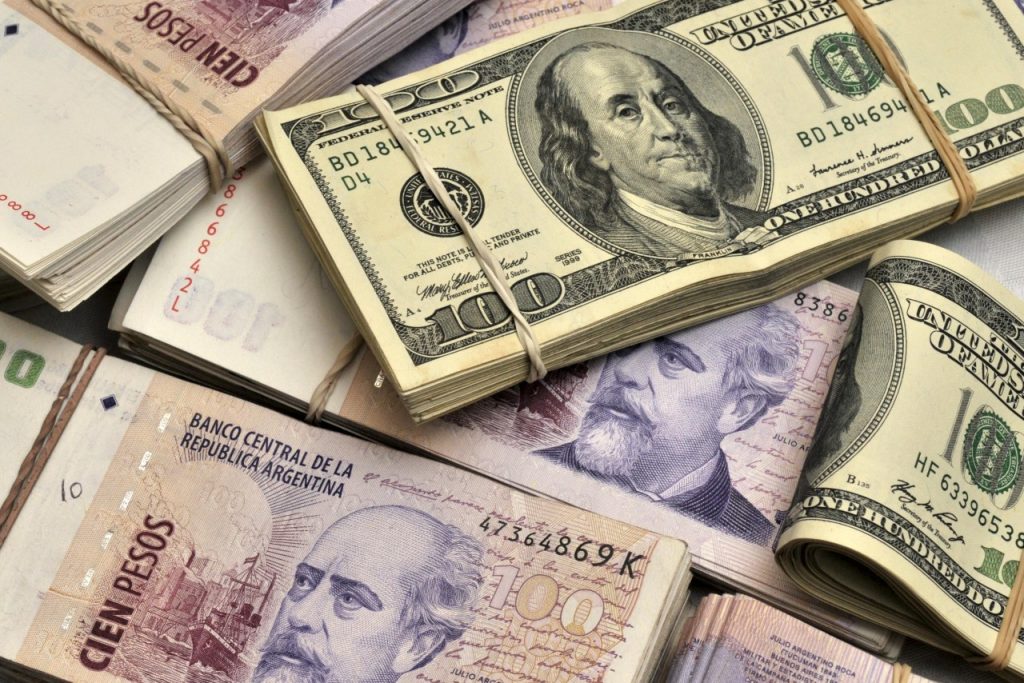
RIO DE JANEIRO, BRAZIL – Argentina got into trouble again, as it often has done. The prospect of the Peronists regaining power caused Argentines to flee from the peso to the dollar, and on Monday the center-right government of Mauricio Macri imposed exchange controls. There is a better idea here: replace the peso with the US dollar as Argentina’s legal currency.
The Wall Street Journal Proposes Dollarizing the Argentine Economy
According to the WSJ, replacing the peso with the US dollar as Argentina’s legal currency would be a better idea than imposing exchange controls.
RT
Ask Rio Times
17 years of Latin America reporting, on demand.
Open the full Ask Rio Times →

Thus begins the editorial published last Thursday by the prestigious US newspaper The Wall Street Journal (WSJ), in which it suggested to the President a concept to “break the horrendous cycle” of economic crisis and become “the leader who dared to defend Argentine savings”.

The article, signed by the newspaper’s Editorial Board and titled A Dollar for Argentina, begins with a review of the political and economic events that occurred in recent months and resulted in the capital control and debt reshaping economic measures announced by the government.

“Elections are in October, but the August primary victory of leftist populists Alberto Fernandez and Cristina Kirchner triggered a monetary panic. The demand for dollars has risen, the peso has devalued by 20 percent and the Central Bank’s reserves continue to decline,” the text says.

For the WSJ, a publication focused on the economy and the business world, Macri’s “Peronist” measures “did nothing to restore the government’s credibility. Concurrently, Fernandez “is promoting the notion of chaos,” asserting that the country is in “virtual default”.

The LatAm Brief

One email, every weekday morning. What moved in Latin American markets, politics and expat life.

Yesterday’s subject line: “Colombia's president announces a new cartel airstrike”

“Those proposing dollarization find resistance in Peronism, which depends on inflation to finance populism when its income is low,” he says.

However, the newspaper adds, “the demand for dollars suggests that Macri could count on popular support to adopt the dollar as the national currency”: “Argentine lawyers differ on the legality of a dollarization according to the Constitution, but our sources believe Macri could dollarize with the backing of a majority in Congress”.

According to the WSJ, "maybe [the dollarization of Argentina] wouldn't save [Macri's] presidency, but it would grant him the legacy of being the leader who dared to defend Argentina's savings from a future prowling government".
According to the WSJ, “maybe [the dollarization of Argentina] wouldn’t save [Macri’s] presidency, but it would grant him the legacy of being the leader who dared to defend Argentina’s savings from a future prowling government”.
According to the WSJ, the precedents of Ecuador, Panama and El Salvador, three Latin American countries that adopted the dollar as their currency, are positive: “Panama has used the dollar as its legal currency since 1904, and El Salvador and Ecuador dollarized in 2000. Ecuador did it to solve a banking crisis and El Salvador to lower the interest rate. El Salvador and Panama today have the lowest debt rates in Latin America and the longest maturities. Ecuador has a price stability it had not seen in at least half a century”.

One objection to dollarization, it explains, “is that Argentina would lose the benefits of a central bank by printing its own currency, known as ‘seigniorage'”: “But that is a political excuse disguised as economics. What is lost of seigniorage will be more than offset by the end of the peso crisis.

“Establishing the right exchange rate is also important. Several Argentine economists propose converting short-term securities into long-term bonds to reduce the amount of pesos that must be exchanged for dollars in the coming months. But the best rate is probably that of the black market, where the peso is now quoted,” it stresses.

“Dollarization removes the moral risk that Central Bank bailouts foster in the banking system; when international capital markets become the lender of last resort. Another benefit is that it would be almost impossible to reverse, unlike the ‘one-to-one’ convertibility of the 1990s, which politicians violated when they were again in debt in the early 2000s. Argentines should also have the right to keep their dollars abroad if they wish. That would ease the fear that the government would freeze their bank accounts, as they did in 2001,” it recalls.

And it closes with additional criticism of Peronism: “Macri’s decision to dollarize would break this horrible cycle by giving Argentines a reserve of value and a currency they can trust. Maybe it wouldn’t save his presidency, but it would grant him the legacy of being the leader who dared to defend Argentina’s savings from a future prowling government”.

This article was produced by The Rio Times’ automated AI newsroom. Editorial responsibility: Matthias Camenzind, Publisher and Editor-in-Chief. The Rio Times also runs Ask Rio Times, which answers from 100,000+ of our own articles, the daily Latin America Power Map, and prediction-market odds on elections and markets.. How we use AI · Report an error

The Rio Times · Power Map
See who really holds power in Latin America
Click to open the Power Map →

Brazil runoff date: Sunday, October 25, poll closing times and when results start · Brazil runoff polls: Flávio 51%, Lula 49% · Kalshi and Polymarket odds

Rotate for Best Experience

This report is optimized for landscape viewing. Rotate your phone for the full experience.