Venezuela Acknowledges 9,500 Percent Inflation in 2019
RIO DE JANEIRO, BRAZIL – Hyperinflation in Venezuela continues to cause damage. In 2019, it reached 9,585 percent, as reported by the Central Bank of Venezuela on Thursday. The price of food was multiplied by 80 last year and that of health-related products by 180.
Anyone who has recently been to a supermarket, a pharmacy, or a doctor’s practice in the South American country is familiar with what the Central Bank has disclosed. Funding daily life is the major concern of many Venezuelans. There are products available on store shelves, but only a small portion of the population can afford them.

The new inflation figures remain brutal, all the more so in a dying economy like Venezuela’s. However, they show a slowdown from the 2018 consumer price index, which stood at 130,060 percent, according to the same official data. And yet the figures are lower than estimates by international organizations like the International Monetary Fund (IMF), which recently found that the country lost two-thirds of its GDP along the way in six years of crisis.
The unprecedented data was published through the portal of the issuing institute, without further explanation from the government. The data was not even mentioned in the recent accounting report presented by Maduro before the National Constituent Assembly. According to a number of economists, the publication of the figure is part of the economic liberation policy that Maduro began to implement last year, as a last step to tackle the country’s drift towards collapse after 15 years of controls.
“Last year, the reason for disclosing figures could be another, more closely related to the conditions of its business partners to gain more indebtedness. Today, it has more to do with the trend to liberalize the economy and to give private companies a milestone to set prices and cost structures and to be able to guarantee a certain supply. The government has begun to recognize, without saying it, that it cannot sustain public spending by reducing oil revenues,” says economist Luis Bárcenas, of the consulting firm Ecoanalítica.
However, the figures do not show that the openness represents a real turnaround. Maduro’s government is maintaining a tug-of-war with hyperinflation by reducing public spending and reducing total credit. In Venezuela, the credit card is a discarded object, as no bank can offer financing because of restrictions imposed by the Central Bank of Venezuela on the legal reserve. Informal dollarization has also favored him in this fight against prices. “People don’t have the same purchasing power, which is why companies lower prices or don’t raise them as aggressively because they’re dealing with consumers with less money to spend”.
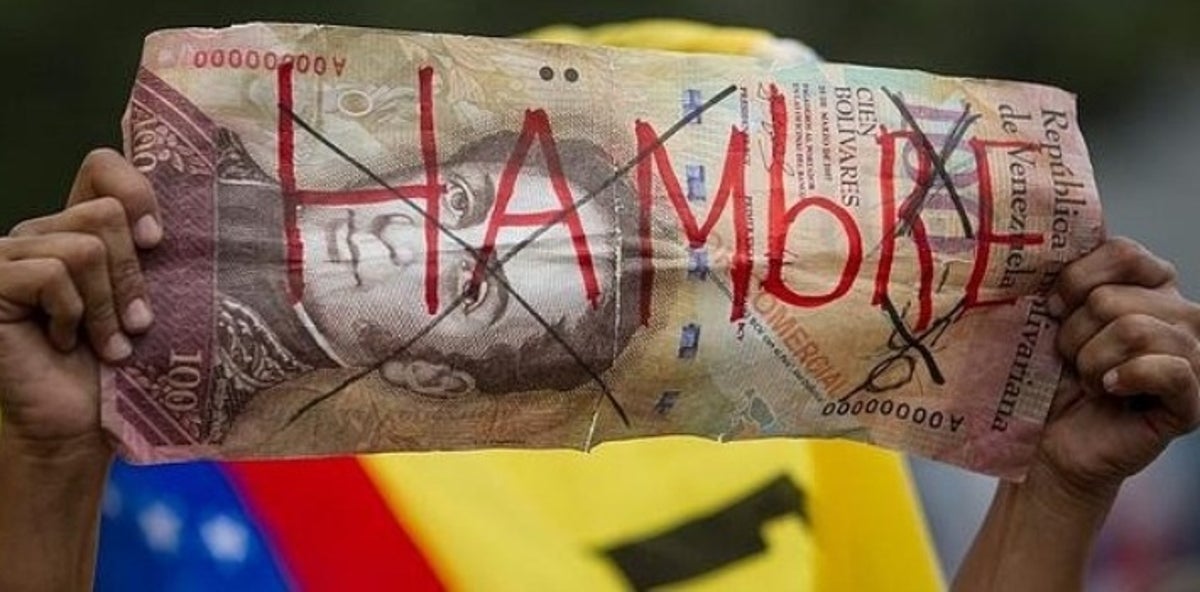
The country has not yet overcome hyperinflation. By 2020, it could remain in the dishonorable top spot among countries with the highest inflation in the world and where the economy has shrunk by two-thirds since Maduro came to power. It is expected that this year its performance will continue to shrink by as much as ten percent, according to the latest IMF estimate published this month.
The imbalance between the rising exchange rate and prices has produced what economists call a rise in dollar-denominated life, which people mistakenly call inflation in foreign currency. Bárcenas points out that between 2018 and 2019, considering the percentage of inflation disclosed by the Central Bank, the purchasing power of the dollar – in which 60 percent of transactions are already carried out – fell about 20 percent. At the end of last year, it took an extra US$ 0.25 to buy the same as in 2018 with a green ticket.
In contradiction to dollarization, Maduro’s Constituent Assembly recently announced reforms in tax laws that impose additional penalties of between five and 25 percent on transactions conducted in dollars, or cryptocurrencies other than the (government issued) “petro”. The measure would seek, in addition to force the use of petro, to capture part of the flow of currency the economy. “The deterioration of the bolívar is such that people may prefer to use dollars even if they pay an additional tax”.
Source: El País
More: Latin America news in English, every day from The Rio Times.
This article was produced by The Rio Times’ automated newsroom system. How we use AI · Report an error · Editorial responsibility: Matthias Camenzind, Editor-in-Chief
Venezuela and the United States
- What Is Going On Between Venezuela and the United States?
- What Is Going On Between Venezuela and the United States?
- Venezuela Geopolitics Explained, US Now Runs Its Oil
- Venezuela Politics 2026, Who Holds Power After Maduro