IBOV 171,906.72 ▲ 0.51% IPSA 11,537.98 ▲ 1.76% IPC MEX 66,105.23 ▲ 0.57% MERVAL 2,995,129 ▲ 2.81% COLCAP 2,510.72 ▲ 2.09% BVL PERÚ 60,222.25 ▼ 0.17% USD/BRL5.16▲ 0.40% USD/MXN16.95▲ 0.21% USD/CLP911.58▼ 0.37% USD/COP3,056▲ 0.45% USD/PEN3.35▼ 0.03% USD/ARS1,509▲ 0.63% USD/UYU40.18▼ 0.03% USD/PYG5,989▼ 0.11% USD/BOB11.44▲ 0.09% USD/DOP58.07▼ 0.99% USD/CRC446.05▼ 0.89% USD/GTQ7.62▼ 0.04% USD/HNL26.82▲ 0.02% USD/NIO36.62— 0.00% USD/VES782.70▲ 0.48% USD/PAB1.00— 0.00% USD/BZD2.00— 0.00% USD/JMD 157.28 — 0.00% USD/TTD6.72▲ 0.25% EUR/BRL6.01▲ 0.27% BRENT 88.88 ▼ 0.03% WTI 83.11 ▼ 0.11% IRON ORE 161.91 — — COPPER 6.61 ▲ 0.03% GOLD 4,461 ▲ 1.78% SILVER 65.59 ▲ 1.26% SOY 1,184 ▲ 3.20% CORN 480.50 ▲ 10.02% WHEAT 655.00 ▲ 3.93% COFFEE 317.25 ▼ 5.51% SUGAR 16.43 ▼ 1.79% ORANGE JUICE 138.55 ▼ 0.47% COTTON 85.03 ▲ 2.33% COCOA 5,719 ▲ 3.18% BEEF 223.60 ▼ 3.93% CATTLE 339.10 ▼ 3.16% LITHIUM 75.20 ▲ 1.47% PETR4 41.64 ▼ 0.05% VALE3 72.97 ▲ 0.83% ITUB4 38.60 ▼ 1.03% BBDC4 16.85 ▲ 0.36% ABEV3 14.89 ▼ 0.80% BBAS3 19.37 ▲ 0.47% B3SA3 14.26 ▼ 0.21% WEGE3 47.59 ▲ 0.49% PRIO3 59.14 ▼ 0.19% SUZB3 41.33 ▲ 2.35% RENT3 34.68 ▼ 0.09% AZZA3 15.89 ▼ 2.63% CSAN3 3.22 ▼ 1.83% RAIZ4 0.25 — 0.00% PCAR3 2.75 ▼ 0.36% GMAT3 3.65 ▼ 1.08% PSSA3 48.13 ▼ 0.54% CVCB3 1.33 ▼ 2.92% POSI3 3.36 ▲ 2.44% SLCE3 13.34 ▲ 0.30% NATU3 8.14 ▼ 0.73% IBOV 171,906.72 ▲ 0.51% IPSA 11,537.98 ▲ 1.76% IPC MEX 66,105.23 ▲ 0.57% MERVAL 2,995,129 ▲ 2.81% COLCAP 2,510.72 ▲ 2.09% BVL PERÚ 60,222.25 ▼ 0.17% USD/BRL 5.16 ▲ 0.01% USD/MXN 17.06 ▼ 0.24% USD/CLP 913.98 ▲ 0.04% USD/COP 3,140 ▲ 0.03% USD/PEN 3.36 ▼ 0.66% USD/ARS 1,493 ▲ 0.10% USD/UYU 40.27 ▲ 1.24% USD/PYG 5,939 ▲ 1.68% USD/BOB 11.64 ▼ 0.76% USD/DOP 58.34 ▲ 1.25% USD/CRC 445.92 ▲ 0.89% USD/GTQ 7.62 ▲ 2.21% USD/HNL 26.79 ▲ 1.57% USD/NIO 36.62 ▲ 0.69% USD/VES 762.44 ▼ 0.13% USD/PAB 1.00 — 0.00% USD/BZD 2.00 — 0.00% USD/JMD 157.28 — 0.00% USD/TTD 6.70 ▲ 0.61% EUR/BRL 5.95 ▲ 1.01% BRENT 88.88 ▼ 0.03% WTI 83.11 ▼ 0.11% IRON ORE 161.91 — — COPPER 6.61 ▲ 0.03% GOLD 4,461 ▲ 1.78% SILVER 65.59 ▲ 1.26% SOY 1,184 ▲ 3.20% CORN 480.50 ▲ 10.02% WHEAT 655.00 ▲ 3.93% COFFEE 317.25 ▼ 5.51% SUGAR 16.43 ▼ 1.79% ORANGE JUICE 138.55 ▼ 0.47% COTTON 85.03 ▲ 2.33% COCOA 5,719 ▲ 3.18% BEEF 223.60 ▼ 3.93% CATTLE 339.10 ▼ 3.16% LITHIUM 75.20 ▲ 1.47% PETR4 41.64 ▼ 0.05% VALE3 72.97 ▲ 0.83% ITUB4 38.60 ▼ 1.03% BBDC4 16.85 ▲ 0.36% ABEV3 14.89 ▼ 0.80% BBAS3 19.37 ▲ 0.47% B3SA3 14.26 ▼ 0.21% WEGE3 47.59 ▲ 0.49% PRIO3 59.14 ▼ 0.19% SUZB3 41.33 ▲ 2.35% RENT3 34.68 ▼ 0.09% AZZA3 15.89 ▼ 2.63% CSAN3 3.22 ▼ 1.83% RAIZ4 0.25 — 0.00% PCAR3 2.75 ▼ 0.36% GMAT3 3.65 ▼ 1.08% PSSA3 48.13 ▼ 0.54% CVCB3 1.33 ▼ 2.92% POSI3 3.36 ▲ 2.44% SLCE3 13.34 ▲ 0.30% NATU3 8.14 ▼ 0.73%
since 2009
Tuesday, August 25, 2026

Latin America Politics - Brazil

Its Reputation Still Intact Despite Protests, Chile Seeks to Attract Foreign Investors

By · January 2, 2020 · 3 min read

Daily Brief

The morning intel from across Latin America. Free.

By subscribing you agree to our privacy policy. We never share your email.

RIO DE JANEIRO, BRAZIL – Chile’s reputation among foreign investors for its solid fiscal management has survived the recent wave of protests, according to market indicators. The government says it now intends to profit from this credibility.

Chile plans to issue this year US$8.7 (R$35) billion in debt securities, of which US$5.3 billion will be sold abroad, up from US$3 billion in 2019. Of those bond sales abroad, US$3.3 billion will be in dollars and euros, and the remainder in Chilean pesos, but targeted at foreign institutional investors through the so-called book building process.

Chile has been able to put a lot of money aside in recent years, which it can now use well.
Chile has been able to put a lot of money aside in recent years, which it can now use well. (Photo internet reproduction)
One-stop reference
Company Intelligence
Every listed company in Latin America — financials, ownership and structure for 1,450+ companies across 26 exchanges, in one place.
Browse the directory →
RT
Ask Rio Times
Latin American markets, currencies and companies.
Open the full Ask Rio Times →

Social unrest has taken hold in Chile since October 18th, forcing hundreds of stores to close and delaying investment projects. Nevertheless, the government benefits from years of fiscal prudence, which has injected over US$15 billion into sovereign wealth funds. Now, the country is using these funds to increase pensions, improve health care and raise a minimum wage, in addition to issuing more bonds abroad.

“Any other country that had gone through a shock like this would have been downgraded by one or two degrees,” said Andrés Pérez, international finance coordinator for Chile’s Finance Ministry. “Current yields and spreads show a higher level of risk, but not enough for a downgrade.”

Spreads on Chilean bonds have increased five basis points on average since October 18th, only marginally worse than the three-point average for emerging market sovereign debt.

Institutional Investors

When Pérez visited institutional investors in Asia and the US in December to explain the social crisis and remind them of Chile’s strengths, he was impressed by the high expectations raised by the country.
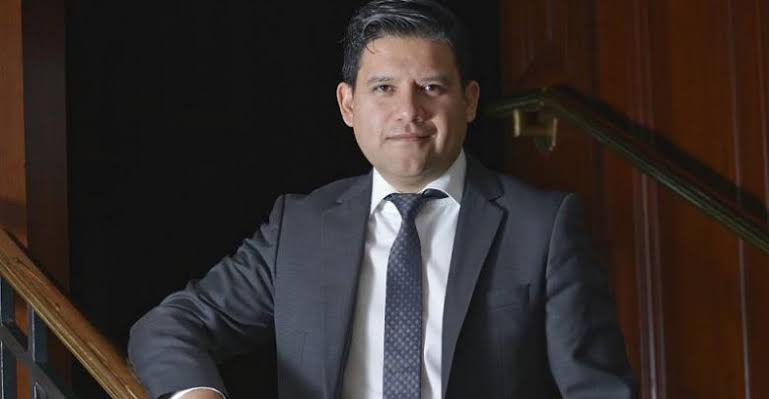
"Any other country that would have gone through a shock like this would have been downgraded by one or two degrees," said Andrés Pérez, international finance coordinator for Chile's Finance Ministry.
“Any other country that had gone through a shock like this would have been downgraded by one or two degrees,” said Andrés Pérez, international finance coordinator for Chile’s Finance Ministry. (Photo internet reproduction)

There is a consensus that Chile’s fiscal and monetary response has been “effective, fast and decisive in terms of its scale,” Pérez said in an interview in Santiago. “They say that’s what they expect from Chile.”

The government will increase spending by 9.8 percent in real terms in 2020 in an attempt to meet social demands. The increase in spending is likely to continue, raising public debt to 38 percent of GDP in 2024 from less than 28 percent now, according to the government.

Pérez said investors asked about the increase in debt as well as the drafting of a new constitution, and what that implies for investment. Chileans will vote on April 26th whether to draft a new constitution.

Back to normal

The increase in sales of foreign currency securities will only be temporary. In following years, the government will revert to its previous pattern of selling some 80 percent of the bonds in local currency, Pérez said.
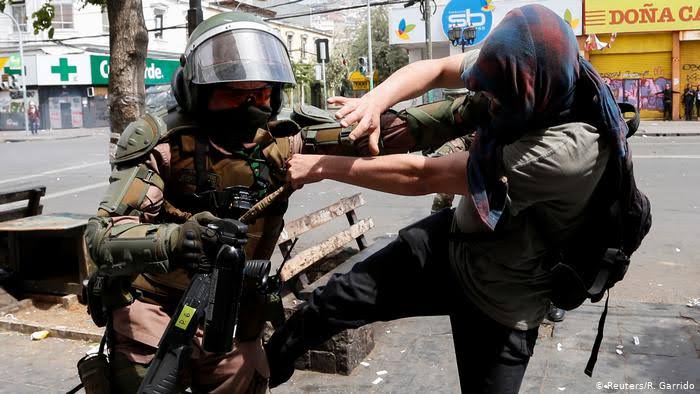
It is to be hoped that the government will take citizens' dissatisfaction seriously and introduce appropriate measures.
It is to be hoped that the government will take citizens’ dissatisfaction seriously and introduce appropriate measures. (Photo internet reproduction)

Although the economy was battered by protests – economic activity contracted by 5.4 percent in October – market confidence has been rebounding. The peso has appreciated 11 percent since November 28th when Chile’s central bank announced an intervention, the best performance among emerging market currencies.

Despite higher indebtedness and fiscal spending, Pérez is confident that rating companies will be able to take a long-term outlook.

“As soon as spreads began to rise, new foreign institutional investors entered the market thinking Chile was cheap,” Pérez said. “That helped keep the spreads down.”

This article was produced by The Rio Times’ automated newsroom system. How we use AI · Report an error

Read More from The Rio Times

The Rio Times · Power Map
See who really holds power in Latin America
Click to open the Power Map

Rotate for Best Experience

This report is optimized for landscape viewing. Rotate your phone for the full experience.