Brazilian Denim Brand Launches Fabric That Vows to Destroy Coronavirus
RIO DE JANEIRO, BRAZIL – After clothing brands such as Lupo and Malwee introduced anti-covid masks and t-shirts, the Brazilian multinational Vicunha is launching an unprecedented collection in the jeanswear segment that pledges to “destroy” the coating membrane of SARS-CoV-2, popularly known as coronavirus.
The technology used to neutralize several types of viruses, bacteria, and fungi was developed by the Swiss textile innovation company HeiQ, which used a combination of silver salts and liposomal vesicles, a principle repeatedly used in the production of anti-cancer drugs. While the silver salts connect to the virus, the polysomes pull and destroy the viral capsid, which protects and eases its proliferation.

Laboratory tests conducted by HeiQ and the Peter Doherty Institute for Infection and Immunity in Melbourne, Australia, have shown that the technique can eliminate 99 percent of the viruses present in the fabric. In addition to its proven antiviral effect, the technology also has an effect against certain types of bacteria and fungi.
Present in Latin America, Asia, and Europe, Vicunha will supply the antiviral jeans fabrics for fashion brands to produce and market garments made of this material. “Consumers need the help of industry and retail to access solutions suited to their new way of life. That’s why we’ve developed special fabrics to meet society’s new demands right now,” says German Alejandro, the company’s marketing and sales director.
The technique that will now be applied to jeans fabrics by Vicunha is similar to the one used by Lupo and Malwee, which may suggest products of this type will become popular.
The innovation is one of the first textile technologies in the world with laboratory-proven efficacy against the coronavirus. The collection called V. Protective will also feature fabrics that repel liquids and saliva droplets. “Consumers are rethinking their priorities. The search for new products that will make their routine easier is not new. With the pandemic, that need has accelerated,” says German.
Will the fad catch on?
Although in recent months clothes and masks inhibiting or even destroying coronavirus have become popular, the market’s viability beyond specific niches, such as hospital PPE (Personal Protective Equipment), is still uncertain.
Chroma-Líquido Tecidos Tecnológicos (Technological Textiles), a joint venture formed between the Chroma Group and Líquido Textile Industry, is now exclusively certified by Rhodia, a Solvay Group company, to produce textile products using Amni® Virus-Bac OFF polyamide fiber throughout the automotive, aviation and railway markets. The fiber developed in Brazil relies on antibacterial and antiviral technology.
According to CEO Luis Gustavo de Crescenzo, in addition to casual wear, masks and PPE’s, the articles manufactured with the Polyamide Amni® Virus-Bac OFF fiber can be used in car seats, buses, trucks, airplanes and other means of transport.
“The fabric produced with the new fiber is recommended for professional use because of its permanent antiviral and antibacterial action, resisting friction, constant sanitizing and washing, as required for public transport seats, for instance”.
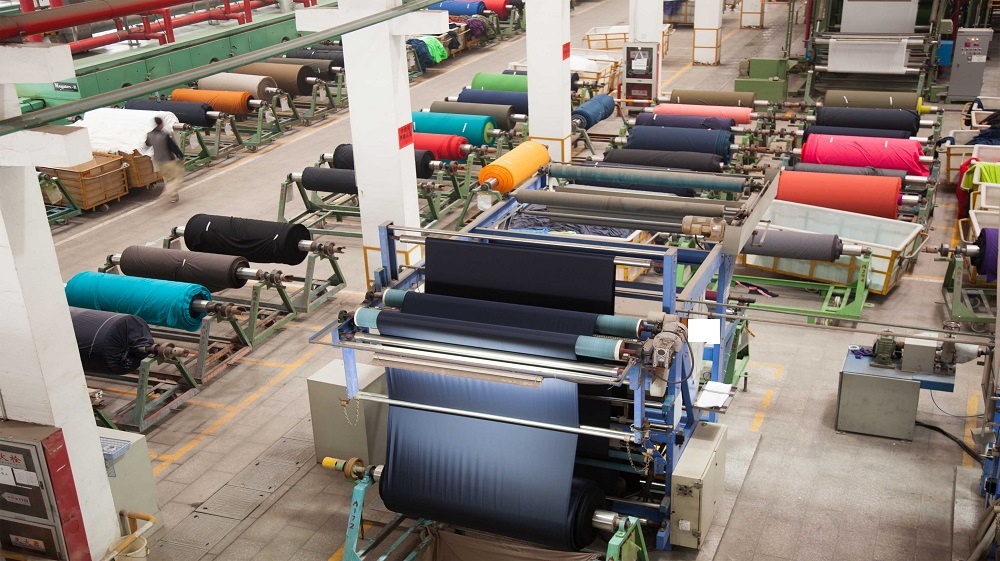
For the next 12 months, the joint venture will produce 10,000 tons of Amni® Virus-Bac OFF polyamide fiber and projects a turnover of R$250 (US$47,050) million with the new business unit.
Chroma-Líquido also sees a potential market of over R$5 billion. The question is whether, after the pandemic, people and companies will want to pay more for this type of fabric.
Source: Exame
More: Brazil news in English, every day from The Rio Times.
This article was produced by The Rio Times’ automated newsroom system. How we use AI · Report an error · Editorial responsibility: Matthias Camenzind, Editor-in-Chief
LatAm Markets: Live Signals → — real-time movers, turnover leaders and FX across Latin America.