IBOV 171,031.73 ▲ 1.85% IPSA 11,338.38 ▲ 0.89% IPC MEX 65,729.18 ▲ 2.14% MERVAL 2,913,184 ▲ 1.30% COLCAP 2,459.23 ▲ 0.61% BVL PERÚ 58,698.13 ▲ 2.60% USD/BRL5.14— 0.00% USD/MXN16.92▲ 0.05% USD/CLP914.28— 0.00% USD/COP3,039▼ 0.12% USD/PEN3.36▲ 0.04% USD/ARS1,499▼ 0.03% USD/UYU40.20▲ 1.52% USD/PYG5,996— 0.00% USD/BOB11.43— 0.00% USD/DOP58.61▼ 0.07% USD/CRC450.05— 0.00% USD/GTQ7.62— 0.00% USD/HNL26.81— 0.00% USD/NIO36.62— 0.00% USD/VES782.70▼ 0.13% USD/PAB1.00— 0.00% USD/BZD2.00— 0.00% USD/JMD 157.28 — 0.00% USD/TTD6.71▲ 0.82% EUR/BRL5.99▼ 0.10% BRENT 88.88 ▼ 0.03% WTI 83.11 ▼ 0.11% IRON ORE 161.91 — — COPPER 6.61 ▲ 0.03% GOLD 4,461 ▲ 1.78% SILVER 65.59 ▲ 1.26% SOY 1,184 ▲ 3.20% CORN 480.50 ▲ 10.02% WHEAT 655.00 ▲ 3.93% COFFEE 317.25 ▼ 5.51% SUGAR 16.43 ▼ 1.79% ORANGE JUICE 138.55 ▼ 0.47% COTTON 85.03 ▲ 2.33% COCOA 5,719 ▲ 3.18% BEEF 223.60 ▼ 3.93% CATTLE 339.10 ▼ 3.16% LITHIUM 75.20 ▲ 1.47% PETR4 41.64 ▼ 0.05% VALE3 72.97 ▲ 0.83% ITUB4 38.60 ▼ 1.03% BBDC4 16.85 ▲ 0.36% ABEV3 14.89 ▼ 0.80% BBAS3 19.37 ▲ 0.47% B3SA3 14.26 ▼ 0.21% WEGE3 47.59 ▲ 0.49% PRIO3 59.14 ▼ 0.19% SUZB3 41.33 ▲ 2.35% RENT3 34.68 ▼ 0.09% AZZA3 15.89 ▼ 2.63% CSAN3 3.22 ▼ 1.83% RAIZ4 0.25 — 0.00% PCAR3 2.75 ▼ 0.36% GMAT3 3.65 ▼ 1.08% PSSA3 48.13 ▼ 0.54% CVCB3 1.33 ▼ 2.92% POSI3 3.36 ▲ 2.44% SLCE3 13.34 ▲ 0.30% NATU3 8.14 ▼ 0.73% IBOV 171,031.73 ▲ 1.85% IPSA 11,338.38 ▲ 0.89% IPC MEX 65,729.18 ▲ 2.14% MERVAL 2,913,184 ▲ 1.30% COLCAP 2,459.23 ▲ 0.61% BVL PERÚ 58,698.13 ▲ 2.60% USD/BRL 5.16 ▲ 0.01% USD/MXN 17.06 ▼ 0.24% USD/CLP 913.98 ▲ 0.04% USD/COP 3,140 ▲ 0.03% USD/PEN 3.36 ▼ 0.66% USD/ARS 1,493 ▲ 0.10% USD/UYU 40.27 ▲ 1.24% USD/PYG 5,939 ▲ 1.68% USD/BOB 11.64 ▼ 0.76% USD/DOP 58.34 ▲ 1.25% USD/CRC 445.92 ▲ 0.89% USD/GTQ 7.62 ▲ 2.21% USD/HNL 26.79 ▲ 1.57% USD/NIO 36.62 ▲ 0.69% USD/VES 762.44 ▼ 0.13% USD/PAB 1.00 — 0.00% USD/BZD 2.00 — 0.00% USD/JMD 157.28 — 0.00% USD/TTD 6.70 ▲ 0.61% EUR/BRL 5.95 ▲ 1.01% BRENT 88.88 ▼ 0.03% WTI 83.11 ▼ 0.11% IRON ORE 161.91 — — COPPER 6.61 ▲ 0.03% GOLD 4,461 ▲ 1.78% SILVER 65.59 ▲ 1.26% SOY 1,184 ▲ 3.20% CORN 480.50 ▲ 10.02% WHEAT 655.00 ▲ 3.93% COFFEE 317.25 ▼ 5.51% SUGAR 16.43 ▼ 1.79% ORANGE JUICE 138.55 ▼ 0.47% COTTON 85.03 ▲ 2.33% COCOA 5,719 ▲ 3.18% BEEF 223.60 ▼ 3.93% CATTLE 339.10 ▼ 3.16% LITHIUM 75.20 ▲ 1.47% PETR4 41.64 ▼ 0.05% VALE3 72.97 ▲ 0.83% ITUB4 38.60 ▼ 1.03% BBDC4 16.85 ▲ 0.36% ABEV3 14.89 ▼ 0.80% BBAS3 19.37 ▲ 0.47% B3SA3 14.26 ▼ 0.21% WEGE3 47.59 ▲ 0.49% PRIO3 59.14 ▼ 0.19% SUZB3 41.33 ▲ 2.35% RENT3 34.68 ▼ 0.09% AZZA3 15.89 ▼ 2.63% CSAN3 3.22 ▼ 1.83% RAIZ4 0.25 — 0.00% PCAR3 2.75 ▼ 0.36% GMAT3 3.65 ▼ 1.08% PSSA3 48.13 ▼ 0.54% CVCB3 1.33 ▼ 2.92% POSI3 3.36 ▲ 2.44% SLCE3 13.34 ▲ 0.30% NATU3 8.14 ▼ 0.73%
since 2009
Monday, August 24, 2026

Latest News Brazil

China’s Oil Demand Drops 20 Percent Because of Coronavirus

By · February 3, 2020 · 3 min read

Daily Brief

The morning intel from across Latin America. Free.

By subscribing you agree to our privacy policy. We never share your email.

RIO DE JANEIRO, BRAZIL – China’s demand for oil has dropped by about three million barrels per day, or 20 percent of total consumption, due to the impact of the coronavirus on the economy, according to people with information about the country’s energy sector.

The drop is arguably the largest demand shock suffered by the oil market since the 2008-2009 global financial crisis and the most sudden since the 9/11 attacks. The downturn could require intervention by OPEC and its allies, who are assessing an emergency meeting to reduce production and halt the drop in prices, which are on their way to the lowest closing in four months.

China's demand for oil has dropped by about three million barrels per day, or 20 percent of total consumption, due to the impact of the coronavirus on the economy,
China’s demand for oil has dropped by about three million barrels per day, or 20 percent of total consumption, due to the impact of the coronavirus on the economy (Photo internet reproduction)
One-stop reference
Company Intelligence
Every listed company in Latin America — financials, ownership and structure for 1,450+ companies across 26 exchanges, in one place.
Browse the directory →
RT
Ask Rio Times
Latin American markets, currencies and companies.
Open the full Ask Rio Times →

“It’s really a black swan event for the oil market,” said John Kilduff, a partner at Again Capital in New York. “There was some hope for the demand prospects this year before the outbreak, but that was reversed. Opec+ must react. If there are no more production cuts, the price drop will continue.”

China is the world’s largest oil importer after surpassing the United States in 2016, so any change in consumption has a huge impact on the global energy market. The country consumes approximately 14 million barrels per day – the equivalent of the combined needs of France, Germany, Italy, Spain, the United Kingdom, Japan and South Korea.

Chinese and Western oil industry executives, on an anonymous basis, said the decline was measured against standard levels for this time of year. It is a measurement of the current drop in demand, not the average loss since the beginning of the crisis, which would be lower.

Beijing has confined millions to quarantine and the New Year’s holiday has been extended. Flights have been canceled and authorities around the world are trying to contain the virus from spreading. Traditionally, during the New Year’s holiday, demand for gasoline and aviation fuel increases as hundreds of millions of people return home, while oil consumption drops due to lower industrial activity.

The collapse of oil consumption in China is reverberating in the global energy market. Sales of some raw materials are slowing, and reference prices are in freefall. Exports of oil shipments from Latin America to China were stalled last week, while sales of oil from West Africa, a traditional source for Chinese refineries, are also slowing more than usual, operators said.
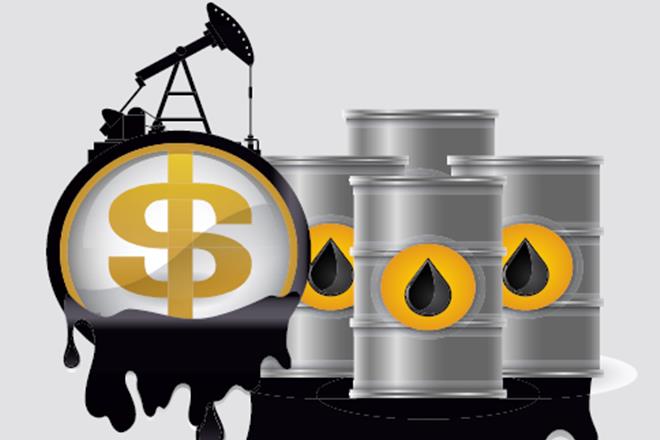
The collapse of oil consumption in China is reverberating in the global energy market. Sales of some raw materials are slowing, and reference prices are in freefall.
The collapse of oil consumption in China is reverberating in the global energy market. Sales of some raw materials are slowing, and reference prices are in free fall. (Photo internet reproduction)

Chinese refineries are storing unsold oil derivatives, such as gasoline and aviation fuel, according to executives. But stocks are growing every day and some refineries may soon reach their storage limits. If this happens, the amount of oil processed would have to be reduced. An executive said refinery operations would likely be reduced by 15 to 20 percent soon.

There are indications that this is already occurring. Sinopec, the country’s largest refinery, is reducing operations at its plants by an average of 13 to 15 percent and will analyze whether further cuts will be needed on February 9th, according to a source. The company did not wish to comment.

Some 18 independent oil refineries may be slowing the pace or completely suspending operations as storage capacity declines, according to traders along with the operation of plants known as teapots. China boasts some 40 independent refineries, located mainly in the eastern Shandong region, which account for approximately 25 percent of the country’s processing capacity.

This article was produced by The Rio Times’ automated newsroom system. How we use AI · Report an error

Read More from The Rio Times

The Rio Times · Power Map
See who really holds power in Latin America
Click to open the Power Map

Rotate for Best Experience

This report is optimized for landscape viewing. Rotate your phone for the full experience.