Rural Communities in Latin America Threatened by Advancing Coronavirus
RIO DE JANEIRO, BRAZIL – In Latin America, the coronavirus began in urban centers and is gradually approaching rural communities. To a greater or lesser extent, the reaction of the city-countryside binomial influences the spread of Covid-19 in the region, currently considered the epicenter of the pandemic by the World Health Organization (W.H.O.).
After almost three months of shutdown, some Latin American countries have gradually begun to open some of their economic sectors under the latent threat of new outbreaks and spread of the virus throughout remote regions.
The Pan American Health Organization (PAHO) warned this week that the pandemic is at one of its most critical moments for the American continent, and that the reopening should be handled with caution. “We must be careful. Do not open too quickly or you will run the risk of a resurgence of Covid-19 that could cancel out the benefit gained in recent months. Consider a geographical approach to blocking and reopening based on transmission in specific local surroundings,” said Carissa Etienne, the organization’s director.

Over half of the world’s coronavirus cases (55 percent) in the past week are in America. Latin American countries account for 1.2 million infections and 57,800 deaths from Covid-19, the majority in Brazil, Mexico, Peru, Ecuador, Chile and Colombia. The increase in the number of new contagions in the region in recent days has accounted for over one-third of the world total, according to PAHO. “It is a serious concern, which should serve as a warning to increase our efforts,” Etienne said.
The region is diverse, but the features of its rural areas converge, particularly in terms of their needs. Communities far from urban centers often suffer from the scarcity of basic services such as drinking water – which contributes to slowing the spread of the disease. In addition, health services do not reach the entire population, and rural residents often need to make long trips to the cities to access public health facilities.
Each Latin American country addresses the protection of these communities differently, including those where indigenous peoples also live. Below is a country-by-country analysis of how the pandemic is experienced in Latin America’s rural areas.
Peru: self-isolation to protect from the virus
A significant portion of Peru’s rural population is made up of temporary workers in Lima and intermediate cities. Between January and March, due to quarantine and the shutdown of non-core economic activities, they lost their jobs. The government estimates that, by the start of May, more than 200,000 people had registered to request a coordinated return to their regions, but only 18,000 of them were transferred. The vast majority have returned to the countryside on foot, to both Andean and Amazon communities.
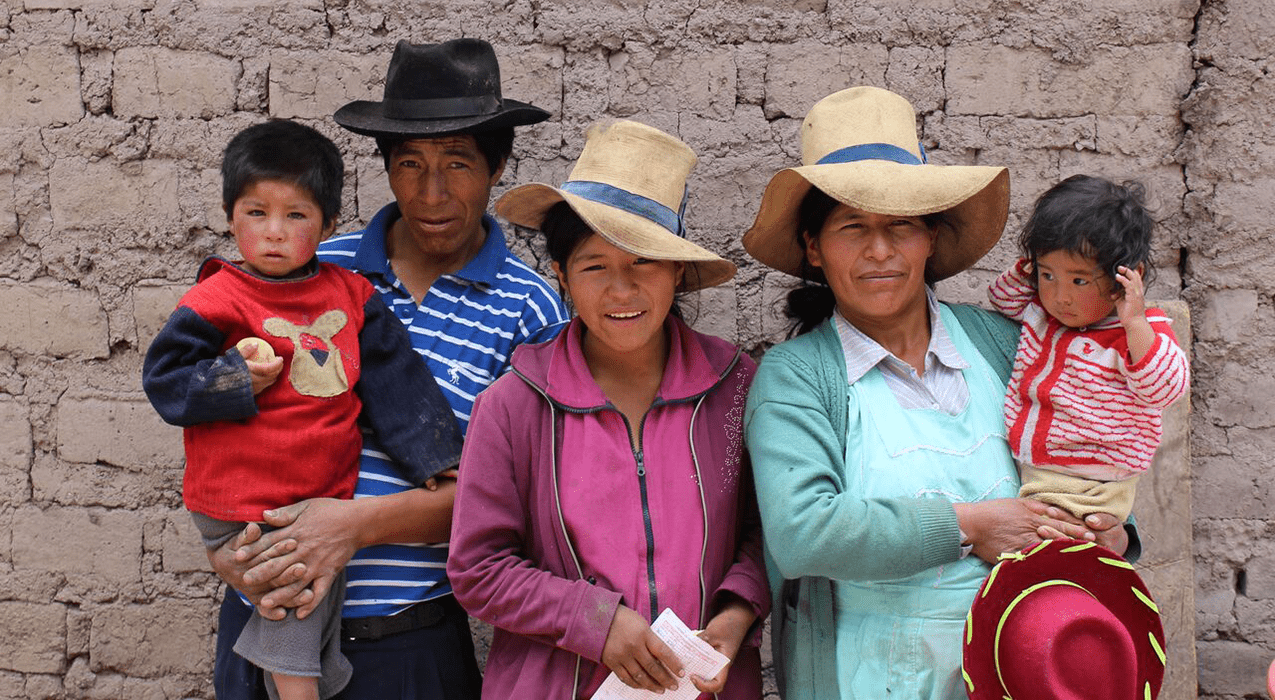
Economist José de Echave said that after the emergency was declared, many communities in the high provinces of Cusco, such as Chumbivilcas and Espinar, Grau (in the region of Apurímac), the region of Puno and communities located in the Autonomous Government of Wampís, in the northern Amazon, closed off their territories to protect themselves.
“The State had no initiative to prevent the pandemic from spreading into indigenous communities. Rural populations with experience in territorial control still play a major role in curbing contagion,” he said. “The only thing that connected these populations with the cities was the economy. And in conditions such as these, cities become more aggressive.”
Melania Canales, president of the National Organization of Indigenous Andean and Amazon Women of Peru (ONAMIAP), laments that the government’s response to the pandemic has been inadequate for indigenous peoples. “In the community, we can’t stay home, as the government asks. We have to keep going to the fields and rearing the animals. [The authorities] do not include the communities in their strategy,” she criticized.
Farmers who have not received subsidies in Carapongo, in Lima’s agricultural area, have said that they are unable to apply for them because the digital platform requires the electricity supply code. “Many of us don’t have electricity or a smartphone,” one citizen said.
Brazil: Poor health system and huge distances in the Amazon
The coronavirus is spreading to the interior of the Brazilian states whose capitals had the first outbreaks and to the states initially the least affected, such as the southern states. One of the most remote cities where the disease has been damaging is São Gabriel da Cachoeira, on the banks of the Negro River, in the heart of the Amazon.
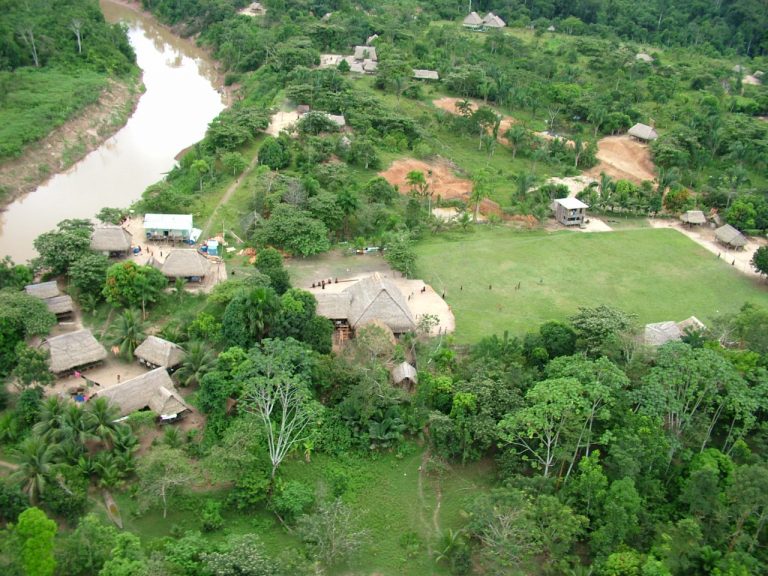
“The school closed on March 20th, and it’s been a while since only the ferry bringing food comes here,” explains Odete by phone from this city, located 800 kilometers from the closest ICU. “People don’t obey much [the order to stay home], even if you say it in your language or in Portuguese,” says this resident of the city with the most indigenous residents.
Aware of their vulnerability, local authorities soon set up an emergency committee. But the first measures to isolate the city, followed by a total closure in April, failed to prevent the entry of Covid-19. The virus killed 23 of the 45,000 residents and infected more than 1,800, as it spread rapidly through the rainforest. The official maps are filled with red dots that mark the municipalities with infections.
São Gabriel da Cachoeira experienced a severe health crisis, which was overcome with the help of intensivist physicians. Now it features semi-ICU beds with ventilators, explains Vitória Ramos, of the organization Doctors Without Borders, who is about to start working in the area to strengthen the public health network.
She said many tests are now being run. “Our concern is the nearby towns and indigenous villages. The distances are enormous, which makes access to health care very difficult. Furthermore, there communities are not covered by public health policies,” she says. In fact, data on suspected cases also take time to be included in official statistics. The UN is concerned about the growing impact on indigenous people, who are particularly vulnerable. Of the 7,000 dead in the Brazilian Amazon, 54 were indigenous.
The Amazonas state government has doubled its airborne ICUs. Six airplanes carry the most critical patients to Manaus, where the situation is no longer as bad as in May, when the health and funeral networks collapsed. “There is no dispute over beds now, but there will be a problem if there is a second wave of contagion,” warns Ramos, from Manaus. The system’s vulnerability, added to the recent reopening of trade, is a cause for concern.
Colombia: food supply to cities infects the rural areas
The major outbreaks in Colombia occurred in large cities such as Bogotá, Cali and Cartagena. After a national quarantine of over two months, this week the country entered a new isolation stage, with many exceptions allowing millions of people to return to the streets. In these three populous urban centres affected by Covid-19, however, strict quarantine will be maintained at least until mid-June.
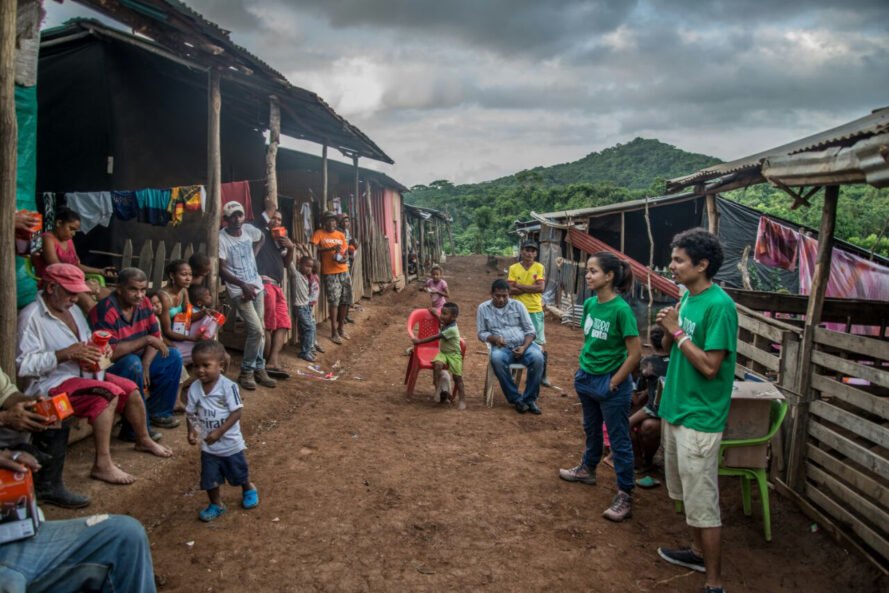
Among the measures ordered by the national government is to “intensify public health monitoring” in the main markets and supply centers. Contagions in these areas, which are a bridge between rural producers and city residents, have become a major concern for health authorities, as the virus spreads from there to the cities.
With at least 74 cases, Corabastos, the country’s largest supply center, has been a constant concern for Bogotá’s City Hall and an illustrative example. Some 1,000 trucks from different parts in the country come every day, with approximately 10,000 tons of food. Farmers, carriers, buyers and resellers not only from the capital, but also from Cundinamarca, the department surrounding it, converge there.
“At least 20 municipalities in Cundinamarca have reported cases of Covid-19 originating in Corabastos, as many peasants come to unload the product and become infected,” said Mayor Claudia López. In addition, Corabastos is located in the western part of Bogotá, in the town of Kennedy, which is under strict confinement due to the high concentration of cases.
The mayor ruled out the option of closing the market completely, as this would cause food shortages, but ordered it to operate at 35 percent capacity and only serve wholesalers to avoid crowds. The measures – which include the preventive closure of some posts – led to protests from traders.
More than 1,000 kilometers away is another major focus of contagion and concern: Leticia and the department of Amazonas, in the far south of the country, which with only 79,000 inhabitants now records some 2,000 cases and 65 deaths. It is the highest number of infections per million inhabitants in Colombia.
This vast territory, which shares a triple border with Peru and Brazil, has a dispersed and mostly indigenous population that lacks an adequate hospital network. Patients with complications are routinely flown to Bogotá, an operation that becomes difficult at times when the airspace is closed due to the health crisis. Amazonas is a reflection of the vulnerability of indigenous communities, some of whom have chosen to isolate themselves in their reservations, far from the cities, for fear of contagion.
Mexico: From the “municipalities of hope” to normality
Life goes on in rural Mexico despite the closure of large cities. In May, the country’s government declared 323 towns as “municipalities of hope”, since no cases of Covid-19 have been reported there. But Mexico has been severely challenged in this decision, as some of these cities have not even run tests among their residents.
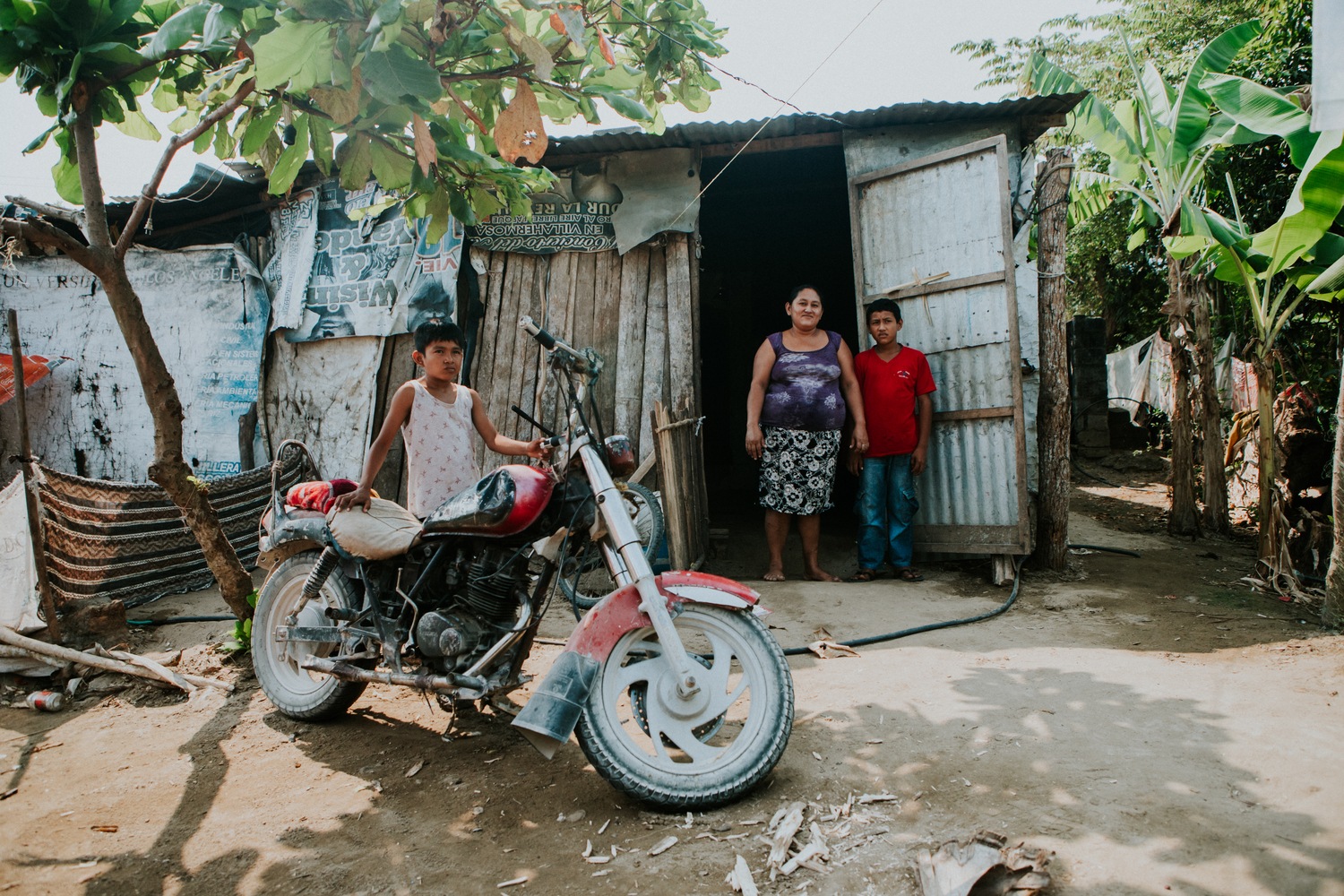
They are mostly rural municipalities, far from urban centers and with a predominantly indigenous population. States like Chiapas, Yucatán, Chihuahua and Guerrero concentrate some of these municipalities, which until weeks ago remained oblivious to the pandemic.
“Rural areas do not raise concern. Pandemic distribution patterns show that it is relatively concentrated in urban areas. At some point, that barrier will be broken, and the people who have less will be affected more intensely,” undersecretary of health Hugo López-Gatell explained at a press conference. Some of these towns have implemented the blocking of outsiders from entering, using surveillance and community security structures organized in recent years due to the increase in violence.
The majority of these communities are located in mountainous and inaccessible areas. There is little health care, and hospitals that treat patients with Covid-19 are typically located in urban centers. Although there is a risk that the infection will spread to rural areas, the government has already started to implement a phased return to economic activities in some cities. Paradoxically, health authorities recognize that the entire country is experiencing a high rate of infections and have entrusted state governments with the responsibility for reopening.
Argentina: few cases in the provinces and letters of transit
Covid-19 mainly affected the large Argentine cities and left virtually untouched the rural areas, where only eight percent of the population lives. In the epicenter is Buenos Aires and its metropolitan area, with almost 13 million people, equivalent to 32 percent of all the inhabitants of Argentina.
In this conglomerate 16,400 positive cases were recorded until Friday, against 2,876 infected spread over 2.8 million square kilometers of virtually uninhabited territory. In the latest figure, released on Thursday, 16 of Argentina’s 23 provinces recorded one or none cases. The remainder, except for Buenos Aires, accounted for less than ten.
The authorities do not expect that Covid-19 will be a problem in Argentina’s inland, which today concentrates 15 percent of the country’s infected populations. Some provinces have not recorded positive cases, such as Formosa (north) and Catamarca (midwest). In other districts, such as La Pampa, Salta, San Juan, San Luis, Chubut and Jujuy, the virus has affected fewer than 20 people.
Although it is too early to take stock, as Argentina has not yet reached the peak of the epidemic, health authorities say that the confinement in place since March 20th throughout the country has prevented the virus from spreading into sparsely populated areas. Today, over 90 percent of new cases occur in the Buenos Aires metropolitan area.
Quarantine is now less severe in the interior, but provinces still maintain severe restrictions on movement to other regions. Extreme isolation cases have been reported, with roadblocks at internal borders. Isolationist rigor has caused some dramatic situations, such as the death of a 42-year-old man run over by his own car while trying to cross a barricade on the border between San Luis and Córdoba.
The man had tried to cross over to the Córdoba to bring food to his children, but his vehicle was stuck on the dirt road. He then got out of the car to try to push it, but was eventually run over. Angry residents on both sides clashed with the police and knocked down the barrier. San Luis’ officials then pledged to conduct a census of people with relatives on both sides of the border, which in regular times is limited to a billboard on the highway, with no major controls. Now, everyone will need a letter of transit to get across this imaginary line.
Source: El País
More: Brazil news in English, every day from The Rio Times.
This article was produced by The Rio Times’ automated newsroom system. How we use AI · Report an error · Editorial responsibility: Matthias Camenzind, Editor-in-Chief