IBOV 171,031.73 ▲ 1.85% IPSA 11,338.38 ▲ 0.89% IPC MEX 65,729.18 ▲ 2.14% MERVAL 2,913,184 ▲ 1.35% COLCAP 2,459.23 ▲ 0.61% BVL PERÚ 58,698.13 ▲ 2.60% USD/BRL5.14▼ 0.14% USD/MXN16.90▼ 0.36% USD/CLP914.28— 0.00% USD/COP3,038▼ 1.18% USD/PEN3.35▼ 0.06% USD/ARS1,499▲ 0.12% USD/UYU40.20▲ 1.58% USD/PYG5,996▲ 1.55% USD/BOB11.43▲ 0.41% USD/DOP58.82▲ 0.20% USD/CRC450.05▲ 3.34% USD/GTQ7.62▲ 2.21% USD/HNL26.81▲ 0.31% USD/NIO36.62▲ 0.61% USD/VES778.00▼ 0.13% USD/PAB1.00— 0.00% USD/BZD2.00— 0.00% USD/JMD 157.28 — 0.00% USD/TTD6.71▲ 0.79% EUR/BRL6.00▼ 0.64% BRENT 88.88 ▼ 0.03% WTI 83.11 ▼ 0.11% IRON ORE 161.91 — — COPPER 6.61 ▲ 0.03% GOLD 4,461 ▲ 1.78% SILVER 65.59 ▲ 1.26% SOY 1,184 ▲ 3.20% CORN 480.50 ▲ 10.02% WHEAT 655.00 ▲ 3.93% COFFEE 317.25 ▼ 5.51% SUGAR 16.43 ▼ 1.79% ORANGE JUICE 138.55 ▼ 0.47% COTTON 85.03 ▲ 2.33% COCOA 5,719 ▲ 3.18% BEEF 223.60 ▼ 3.93% CATTLE 339.10 ▼ 3.16% LITHIUM 75.20 ▲ 1.47% PETR4 41.64 ▼ 0.05% VALE3 72.97 ▲ 0.83% ITUB4 38.60 ▼ 1.03% BBDC4 16.85 ▲ 0.36% ABEV3 14.89 ▼ 0.80% BBAS3 19.37 ▲ 0.47% B3SA3 14.26 ▼ 0.21% WEGE3 47.59 ▲ 0.49% PRIO3 59.14 ▼ 0.19% SUZB3 41.33 ▲ 2.35% RENT3 34.68 ▼ 0.09% AZZA3 15.89 ▼ 2.63% CSAN3 3.22 ▼ 1.83% RAIZ4 0.25 — 0.00% PCAR3 2.75 ▼ 0.36% GMAT3 3.65 ▼ 1.08% PSSA3 48.13 ▼ 0.54% CVCB3 1.33 ▼ 2.92% POSI3 3.36 ▲ 2.44% SLCE3 13.34 ▲ 0.30% NATU3 8.14 ▼ 0.73% IBOV 171,031.73 ▲ 1.85% IPSA 11,338.38 ▲ 0.89% IPC MEX 65,729.18 ▲ 2.14% MERVAL 2,913,184 ▲ 1.35% COLCAP 2,459.23 ▲ 0.61% BVL PERÚ 58,698.13 ▲ 2.60% USD/BRL 5.16 ▲ 0.01% USD/MXN 17.06 ▼ 0.24% USD/CLP 913.98 ▲ 0.04% USD/COP 3,140 ▲ 0.03% USD/PEN 3.36 ▼ 0.66% USD/ARS 1,493 ▲ 0.10% USD/UYU 40.27 ▲ 1.24% USD/PYG 5,939 ▲ 1.68% USD/BOB 11.64 ▼ 0.76% USD/DOP 58.34 ▲ 1.25% USD/CRC 445.92 ▲ 0.89% USD/GTQ 7.62 ▲ 2.21% USD/HNL 26.79 ▲ 1.57% USD/NIO 36.62 ▲ 0.69% USD/VES 762.44 ▼ 0.13% USD/PAB 1.00 — 0.00% USD/BZD 2.00 — 0.00% USD/JMD 157.28 — 0.00% USD/TTD 6.70 ▲ 0.61% EUR/BRL 5.95 ▲ 1.01% BRENT 88.88 ▼ 0.03% WTI 83.11 ▼ 0.11% IRON ORE 161.91 — — COPPER 6.61 ▲ 0.03% GOLD 4,461 ▲ 1.78% SILVER 65.59 ▲ 1.26% SOY 1,184 ▲ 3.20% CORN 480.50 ▲ 10.02% WHEAT 655.00 ▲ 3.93% COFFEE 317.25 ▼ 5.51% SUGAR 16.43 ▼ 1.79% ORANGE JUICE 138.55 ▼ 0.47% COTTON 85.03 ▲ 2.33% COCOA 5,719 ▲ 3.18% BEEF 223.60 ▼ 3.93% CATTLE 339.10 ▼ 3.16% LITHIUM 75.20 ▲ 1.47% PETR4 41.64 ▼ 0.05% VALE3 72.97 ▲ 0.83% ITUB4 38.60 ▼ 1.03% BBDC4 16.85 ▲ 0.36% ABEV3 14.89 ▼ 0.80% BBAS3 19.37 ▲ 0.47% B3SA3 14.26 ▼ 0.21% WEGE3 47.59 ▲ 0.49% PRIO3 59.14 ▼ 0.19% SUZB3 41.33 ▲ 2.35% RENT3 34.68 ▼ 0.09% AZZA3 15.89 ▼ 2.63% CSAN3 3.22 ▼ 1.83% RAIZ4 0.25 — 0.00% PCAR3 2.75 ▼ 0.36% GMAT3 3.65 ▼ 1.08% PSSA3 48.13 ▼ 0.54% CVCB3 1.33 ▼ 2.92% POSI3 3.36 ▲ 2.44% SLCE3 13.34 ▲ 0.30% NATU3 8.14 ▼ 0.73%
since 2009
Sunday, August 23, 2026

Latest News Latin America

In Mexico, Archaeologists Reveal a Story of Cannibalism and Conquest

By · January 22, 2021 · 3 min read

Daily Brief

The morning intel from across Latin America. Free.

By subscribing you agree to our privacy policy. We never share your email.

RIO DE JANEIRO, BRAZIL – During the Spanish Conquest of Mexico, interactions between the Aztecs and the European colonizers were often marked by horrifying atrocities. Now, reports the Associated Press, archaeologists have unearthed a nightmarish new chapter in that story.

In early 1521, the year after the Aztecs captured and cannibalized a convoy of dozens of Spaniards and hundreds of allied Indigenous people, Spanish forces responded by massacring Aztec women and children.

During the Spanish Conquest of Mexico, interactions between the Aztecs and the European colonizers were often marked by horrifying atrocities. Now, reports the Associated Press, archaeologists have unearthed a nightmarish new chapter in that story.
During the Spanish Conquest of Mexico, interactions between the Aztecs and the European colonizers were often marked by horrifying atrocities. (Photo internet reproduction)
One-stop reference
Company Intelligence
Every listed company in Latin America — financials, ownership and structure for 1,450+ companies across 26 exchanges, in one place.
Browse the directory →
RT
Ask Rio Times
17 years of Latin America reporting, on demand.
Open the full Ask Rio Times →

Researchers with Mexico’s National Institute of Anthropology and History (INAH) have long known about the cannibalism that took place in the town of Zultépec-Tecoaque in 1520. The name Tecoaque, after all, means “the place where they ate them” in the Aztec language of Nahuatl. But the new research reveals previously unknown details of what happened next.

Spanish conquistador Hernán Cortés arrived in Yucatán in early 1519 with 11 ships, 16 horses and about 600 men. At the time, the Aztec empire was in crisis. Cortés formed an alliance with the rival nation of Tlaxcala and found many other supporters among peoples subjugated by the empire. The convoy cannibalized in Tecoaque was part of an expedition ordered by Cuban Governor Diego Velázquez de Cuéllar, who wanted to stop Cortés’ invasion because he hadn’t authorized it.

According to the AP, the convoy comprised approximately 15 male Spaniards; 50 Spanish women; 10 children; 45 foot soldiers, including Cubans of African and Indigenous backgrounds; and 350 mainland Indigenous people who were allies of the Spanish.

In a statement, INAH estimates that the local Acolhua people of Zultépec, allies of the Aztec empire, sacrificed the captives to their gods over “eight agonizing months.” During that time, the archaeologists found, the town’s population grew to about 5,000, as people from the Aztec capital of Tenochtitlán arrived to participate in the ceremonies.

Remains from these rituals show that the heads of both male and female prisoners were strung up on skull racks, or towers. Bone analysis shows that the women treated in this way were pregnant—a fact that may have qualified them for treatment as “warriors.” Per the AP, the archaeologists also found a woman’s body that was cut in half and left near the remains of a dismembered 3- or 4-year-old child.

Writing in the journal Arqueología Mexicana, researcher Enrique Martínez Vargas notes that the Aztecs viewed human sacrifice as a way of restoring earthly and celestial order and securing the survival of their civilization. The archaeologist quotes 16th-century Spanish chronicler Bernal Díaz del Castillo, who wrote that the Aztecs had sprinkled the blood of sacrificed Spaniards onto likenesses of their deities.
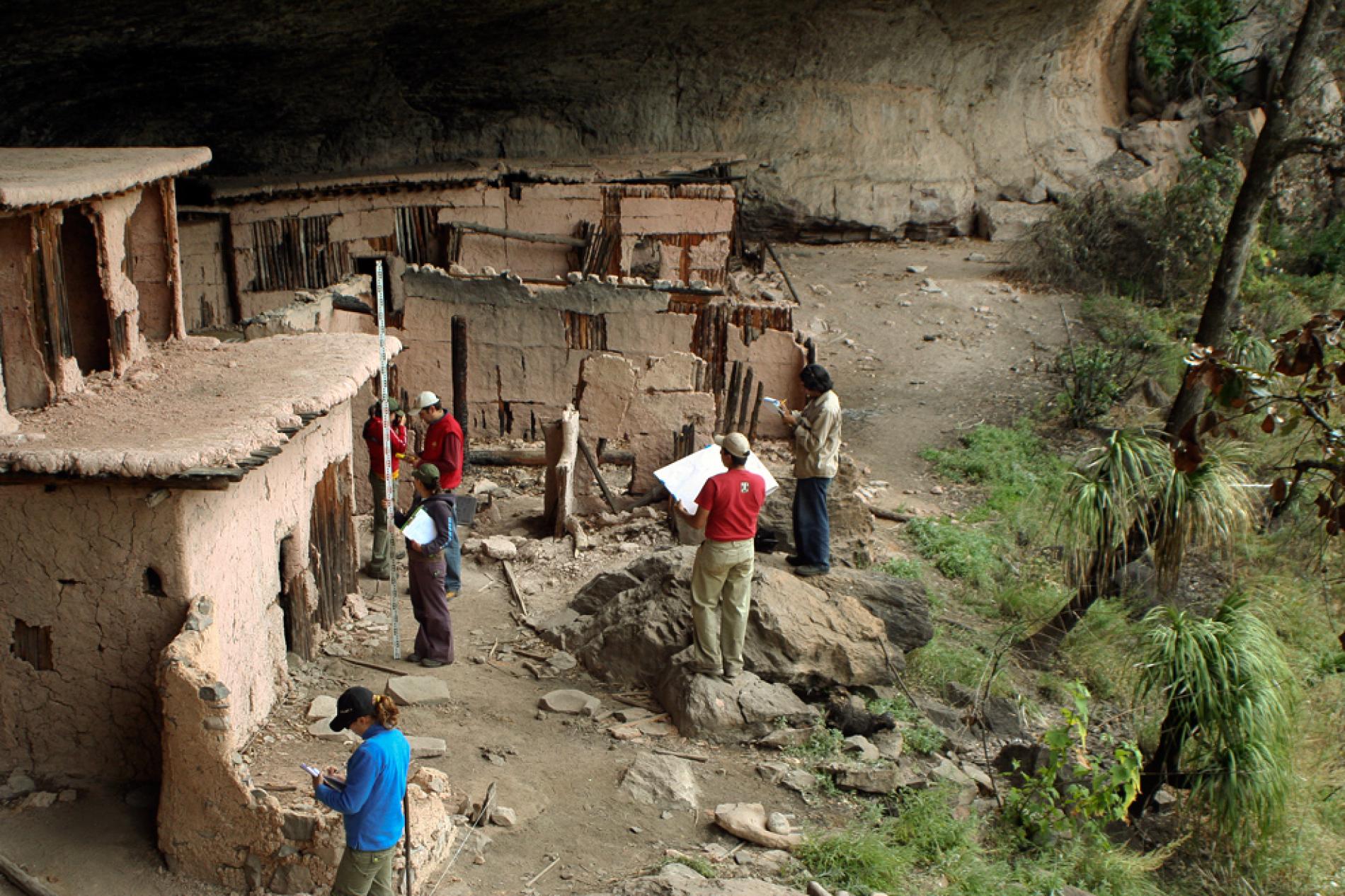
The remains of the village’s women and children show signs of mutilation. Spanish forces also burned the town’s temples and decapitated statues of gods.
The remains of the village’s women and children show signs of mutilation. Spanish forces also burned the town’s temples and decapitated statues of gods. (Photo internet reproduction)

Vargas tells the AP that the town’s inhabitants appear to have been aware that the Spanish forces, under Cortés’ command, were coming to take revenge. Locals threw the Spaniards’ bones, including some that had been carved into trophies, into wells and built up their defensive walls. Ultimately, however, they had little protection when Cortés’ lieutenant, Gonzalo de Sandoval, led his soldiers into their homes.

“Some of the warriors who had stayed in the town managed to flee, but women and children remained, and they were the main victims,” says INAH in the statement, adding that the researchers discovered “the skeletons of a dozen women … who appeared to be ‘protecting’ the bones of ten children between the ages of 5 and 6.”

The remains of the village’s women and children show signs of mutilation. Spanish forces also burned the town’s temples and decapitated statues of gods.

Read More from The Rio Times

The Rio Times · Power Map
See who really holds power in Latin America
Click to open the Power Map

Rotate for Best Experience

This report is optimized for landscape viewing. Rotate your phone for the full experience.