Peruvian Evangelicals Inject Thousands with Animal Vaccine Unproved against Covid-19
RIO DE JANEIRO, BRAZIL – In the region of Loreto, the largest in the Peruvian Amazon, both the governor and an evangelical group have promoted the administration of ivermectin, an animal vaccine, to some 5,000 people.
In this isolated area of Peru home to nearly one million people, 300,000 of whom are indigenous, the threat of Covid-19 and the lack of state assistance led many people to accept the antiparasitic shot, which was offered as a palliative for the disease.

“Since May, the governor of the department of Loreto and an evangelical alliance have summoned the people, using radio stations, to administer the animal drug ivermectin as if it were a vaccine against the disease. In Nauta, at least 5,000 people were vaccinated,” says Leonardo Tello, director of Radio Ucamara, the city’s leading radio station, located two hours from the region’s capital, Iquitos, and a point of entry to the indigenous communities of the Marañon River.
Tello says many people felt an irregular heartbeat following the injection. “The side effects have been horrifying,” he says. According to him, some evangelical pastors from Loreto linked the novel coronavirus to the devil and the end of the world, offering these injections “as salvation”.
In the community of Cuninico, where most of the population had symptoms of Covid-19, the Health Care Module official – a pre-fabricated facility for patient care provided by the Ministry of Health – told volunteers from the so-called Evangelical Missions of the Amazon that he no longer needed the “vaccine” because most people were taking care of themselves with traditional medicine, using plants. But volunteers from the evangelical group decided to administer the animal vaccine.
“The volunteers’ explanation was clear and direct that [the antiparasitic] is approved by law and that it is an animal treatment that produces positive results as a vaccine,” said Wadson Trujillo Acosta, an indigenous chief of Cuninico. “They said they are administering it nationwide and also in Nauta, and they warned of side effects, such as diarrhea. Some people actually had this reaction,” he described.
In Cuninico, 60 percent of those over 18 years of age were administered the drug. “About 160 people,” Trujillo said. In 2014, this community of the Kukuma indigenous people was severely affected by an oil spill from the Norperuano oil pipeline. The pollution of the river and canal water prevented fishing for family consumption and the sale of the surplus. By no longer relying on drinking water, the inhabitants could only use rainwater.
After years of litigation with the state, a few months ago they had access to a Health Care Module where six professionals were employed; a year ago there was only one Health Care Professional in attendance.
“Here almost everyone has had symptoms of Covid-19 and is treating it with home remedies,” Trujillo says. “Some have been in isolation because we still have the drug supply issue. We received 27 rapid diagnostic tests for the community. Seven tested positive, and we saved seven more in case of deterioration. The staff has minimal protective equipment, but we already have masks for the population”.
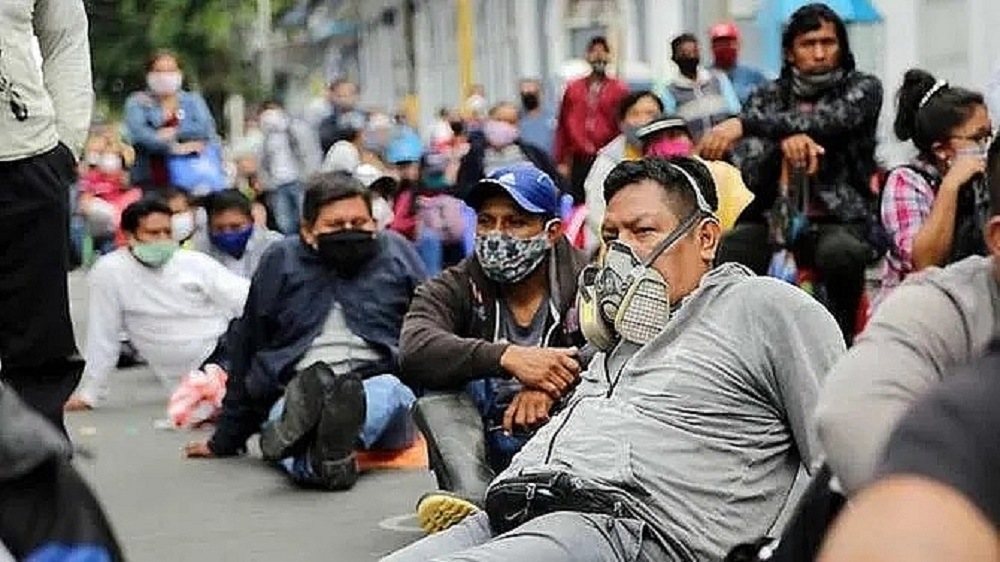
Last week, the Ministry of Health’s Directorate General of Medicines warned about the misuse of veterinary ivermectin in the context of the pandemic health emergency, recalling that products for animals “do not meet the same requirements as drugs for humans.” “Ivermectin for animals should not be used as substitutes for ivermectin intended for human use to treat Covid-19,” he cautioned.
Despite the Health Authorities’ recommendation, the ivermectin injections promoted by the Loreto department governor, Giampaolo Rojas, have continued. At the Quechua community Health Center of Intuto, professionals continue to administer ivermectin, but “they don’t know if it’s for veterinary or human use,” says Juan Enrique Villacorta, a correspondent for Radio Ucamara.
The evangelical volunteers also administered the veterinary drug in the communities of Santa Rita de Castilla and Saramurillo, among others.
The Ministry of Health and the Regional Health Directorate of Loreto were asked whether there could be sanctions against those who administered the animal substance on a massive scale, but no comments were forthcoming.
According to the Loreto health authorities, until a few days ago 1,492 indigenous citizens had been infected with the coronavirus, with 14 deaths. In the region, 32 percent of the people who tested positive died, a percentage only topped by Ucayali’s neighboring Amazon region, at 34 percent.
Doctor Julio Chirinos, an associate professor at the University of Pennsylvania, said that he completely disagrees with the administration of veterinary ivermectin because “animal preparations tend not to have the same quality standards as those for humans. Furthermore, there is no reliable evidence that ivermectin is beneficial against Covid-19.”
Chirinos is one of 12 Peruvian doctors and scientific researchers who on Thursday urged the Ministry of Health, in an open letter, to remove hydroxychloroquine and ivermectin (human) from the treatment of Covid-19 “due to its lack of efficacy and its risk of toxicity”.
Health versus economy
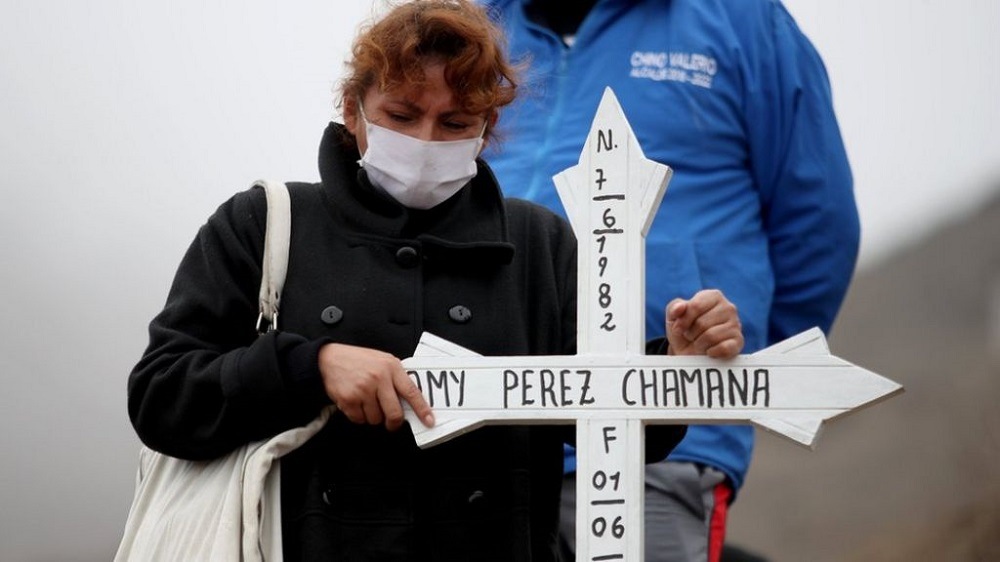
Last Wednesday, Peru topped Italy’s infection count, with over 240,000 confirmed cases, and recorded 7,257 deaths from the novel coronavirus. The Medical Association reported that 57 of its members died after being infected at work. Mental health hospitals report 217 infected and five dead.
Although the spread of the virus continues, on Thursday the government authorized the reopening of shopping malls. The Minister of Health, Víctor Zamora, said in a press conference on Tuesday with foreign journalists that tax collection is required to allocate funds to healthcare, which is the reason for the restart of commercial activity.
Source: El País
More: Brazil news in English, every day from The Rio Times.
This article was produced by The Rio Times’ automated newsroom system. How we use AI · Report an error · Editorial responsibility: Matthias Camenzind, Editor-in-Chief
Brazil runoff, Sunday, October 25: Brazil runoff: date, poll closing times and when results start. Latest: Brazil runoff polls, Flávio 51%, Lula 49%.