RIO DE JANEIRO, BRAZIL – The Portuguese Parliament passed on Wednesday, February 5th, two measures that directly affect high-net-worth foreigners interested in living and investing in the country. Brazilians are among the most impacted by the new rules.
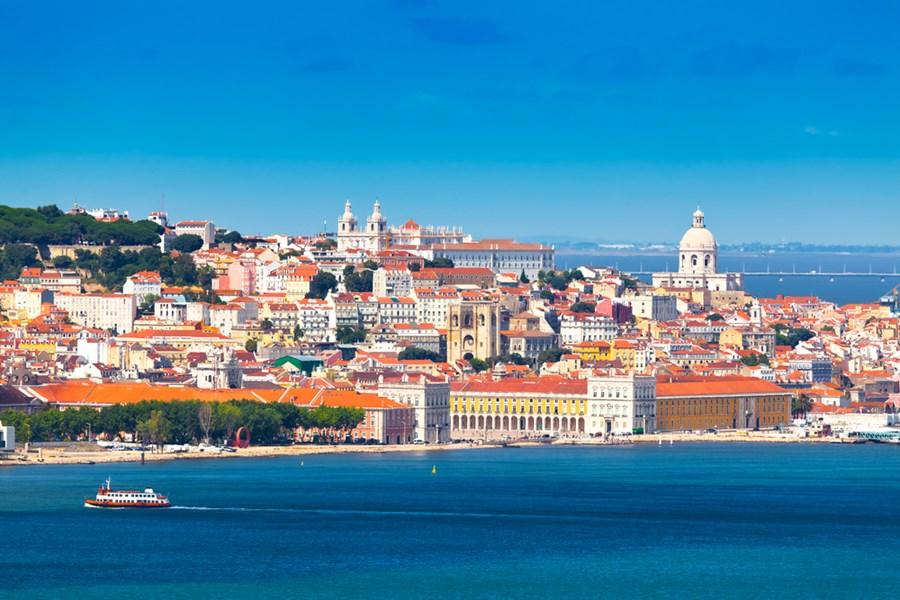
The deputies decided to limit the so-called gold visas – residence permits for those purchasing real estate worth at least 500,000 euros (approximately R$ 2.34 million) – to inland regions, excluding from this system the properties in the most valued Portuguese cities: Lisbon and Porto.

The gold visa system has been criticized by NGOs and European institutions for being insufficiently transparent and for allowing international money laundering schemes. In Portugal, the system has been singled out as one of the causes behind the general rise in property prices.
The Brazilians are the second nationality that most benefits from this program, behind only the Chinese. While in 2019 the Asian share shrank, that of Brazilians increased 16.6 percent to 210 gold visas granted.
Portuguese deputies also passed a ten percent tax on the pensions of foreigners living in the country through the so-called RNH (RNH) regime of non-habitual residents. Approximately 28,000 people are currently in this category.
In force since 2009, the RNH provides a number of tax advantages for highly qualified professionals and foreign pensioners. Workers from “high added value” areas pay a special income tax rate of 20 percent (below the European average).
Foreign pensioners enjoyed even greater benefits and in some cases, due to European agreements preventing double taxation, they ended up paying no income tax at all.
A survey published by the Portuguese newspaper Diário de Notícias shows that the number of Brazilians benefiting from non-habitual resident status has skyrocketed, rising from 1,912 in September 2018 to 2,898 in March 2019, a 52 percent increase in the period.
Both gold visas and non-habitual resident status have always raised controversy inside and outside Portugal. Established in 2012, when Portugal was immersed in a severe economic crisis, the gold visa program aimed to quickly increase foreign investment. The program was extended under the government of socialist Prime Minister Antonio Costa, who has been in power since November 2015.
The gold visa ensures residence authorization in Portugal (and consequently free transit in the 26 countries that make up the Schengen Area) to those interested in three types of business: buying real estate, transferring at least one million euros (about R$4.66 million) into the country or setting up a business creating ten or more jobs.
The most popular method has always been the purchase of high-end real estate, responsible, according to data from SEF (Foreigners and Borders Service) for about 90 percent of gold visas issued.
The minimum requirement, which was 500,000 euros before, may drop to 350,000 euros (R$1.63 million) if the property is located in an area of interest for recovery.
The measure now passed by deputies – in a vote on the 2020 State Budget – limits the location of properties to municipalities in the country’s interior or in the autonomous regions of Azores and Madeira.
According to the Socialist Executive, the author of the passed proposal, the aim is to promote the development of the interior and also to relieve the pressure on the real estate market in Lisbon and Oporto, which are accumulating successive highs.
Real estate and construction companies have unanimously expressed their opposition to the project.
According to attorney Patrícia Viana, partner at Abreu Advogados and jointly in charge of the real estate department, the legislative change will, in practice, end the gold visa for investment in real estate.
“From what we see of our clients, there are two profiles for those seeking gold visas: those who want to live or spend long periods of time in Portugal or investors seeking to monetize their property. In both cases, the interior is not attractive”, she explains.
“Those who want to spend long periods of time in Portugal choose Lisbon, Oporto or the Algarve, which are bustling places with shops and services. These investors are not going to want to buy a property because they will not want to live or spend holidays in the interior”, she says.
“Investors looking to make a profit on their property will not be interested either, because they will buy it and then rent it to tourists, or to Portuguese people. In order to make a profit, they can only get it in Lisbon and Oporto. If they buy in the countryside, who will they rent it to? There’s little population, little demand”, she adds.
In the case of foreigners with the status of non-habitual residents, the complaint comes mainly from European countries, which are seeing an exodus of retirees in search of tax reductions.
Sweden and Finland have even filed formal complaints about Portuguese practices, while France has unofficially expressed its discontent.
The ten percent tax on the pensions of these foreigners will only apply in new cases. The current beneficiaries of the RNH can enjoy this status for a maximum period of ten years.
At present, 27,367 foreigners are non-habitual residents, 9,589 of whom are retired.
More: Brazil news in English, every day from The Rio Times.
This article was produced by The Rio Times’ automated newsroom system. How we use AI · Report an error · Editorial responsibility: Matthias Camenzind, Editor-in-Chief