“This Virus is Still a Stranger,” Says Fiocruz President
RIO DE JANEIRO, BRAZIL – The first woman to chair Fiocruz in 120 years of the institution’s existence, Nísia Trindade takes stock of the foundation’s work to fight the Covid-19 epidemic. “It’s not a war effort, it’s a great peace effort.” In an exclusive interview with the newspaper O Estado de S. Paulo, the sociologist says that the pandemic is the historical event that inaugurates the 21st century.

Question: The report you submitted on Wednesday to the Prosecutor’s Office recommends a lockdown in Rio. Is this the only way to prevent the collapse of the health system?
Answer: Isolation is the best measure available to stop the spread of the disease and this more stringent isolation is what can prevent a long period of lack of beds, doctors, and equipment. As we know, the consequences of our current attitudes will be felt within one or two weeks, which is the time between infection and the development of the illness. So it is very important that we act now.
Another crucial aspect is that the restrictive measures must be coupled with support for vulnerable populations so that they can comply with isolation, particularly those who rely on casual or precarious work, as well as support for small businesses that generate jobs and may suffer a severe impact from the pandemic.
Q.: Fiocruz has been named the standard of reference for Covid-19 in Latin America by the World Health Organization (WHO). Is this an important recognition of this historic role?
Yes, it is an important recognition, particularly for our laboratory for respiratory viruses and measles, which was built in the late 1970s during the meningitis epidemic.
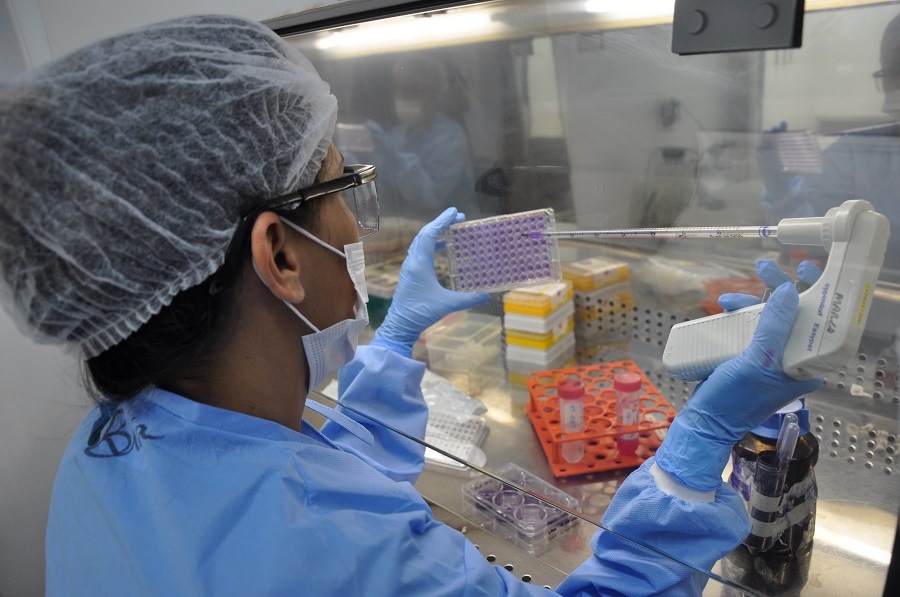
It signifies the recognition of our work in training researchers, training for diagnosis and identification of the Sars-Cov-2 virus and the key role in research on virus mutation in Brazilian and Latin American territories, which is of great significance for the development of vaccines, as well as guiding protocols and working standards for laboratories throughout the region.
Fiocruz is also behind the development of integrated thinking in the pandemic, by collecting all studies. This is not a war effort, it is a great peace effort.
Q.: Meanwhile, many researchers are being harshly attacked…
A.: The work of science focused on health always generates conflict. There are many misunderstandings, many interests involved. But all our argument is based on two pillars: research excellence, and ethics.
Q.: You have compared the present moment with the 1918 Spanish flu. Is the situation only comparable to that other epidemic of a century ago?
It is more a parallel than a comparison; they are very different worlds, the scientific activity is different. But I have drawn the parallel thinking about the social, economic, and human impact of a pandemic with high mortality. There are several studies showing that, in the Spanish flu, there were isolation measures, closure of service activities, and also much controversy.
The Spanish flu is a major reference for virologists, it killed more than the [World] war, and it has a crucial role to play in the major social movements and potential changes.
Like the Spanish flu, Covid-19 is a new disease, which is spreading at a high rate and for which we have no vaccine or medication. But today we have something important that we did not have in the past: a universal health system and more robust institutions such as Fiocruz, research institutes, universities.
Q.: What is the perspective for the end of the epidemic?
A.: Until we have a vaccine or a high percentage of population immunity – bearing in mind that having antibodies does not necessarily imply immunity – and with the behavior that has been observed in our population, everything points to a long-term public health issue.
Q.: In your opinion, how long before we have a vaccine, given that Fiocruz is involved in global efforts to develop one?
A.: Between 18 and 24 months. But the vaccine will need to be accessible to everyone, or it will not solve the problem. There’s no point in having an expensive vaccine.
Q.: Has the Sars-Cov19 virus mutated in Brazil? What are the implications of these mutations?
A.: Our studies already point to mutations – which is a characteristic of the virus. But we are still establishing correlations between these mutations and the type of related clinical manifestation. I do not want to cause panic, but this virus is still a great unknown, a stranger.
Q.: You mentioned that pandemics, historically, play a key role in social change. What would this pandemic involve?
A.: Historian Eric Hobsbawm said that the great milestones of the centuries would not be the milestones of immediate chronology, but rather the major events that mark those centuries. I have no doubt that this epidemic is the great landmark of the 21st century.
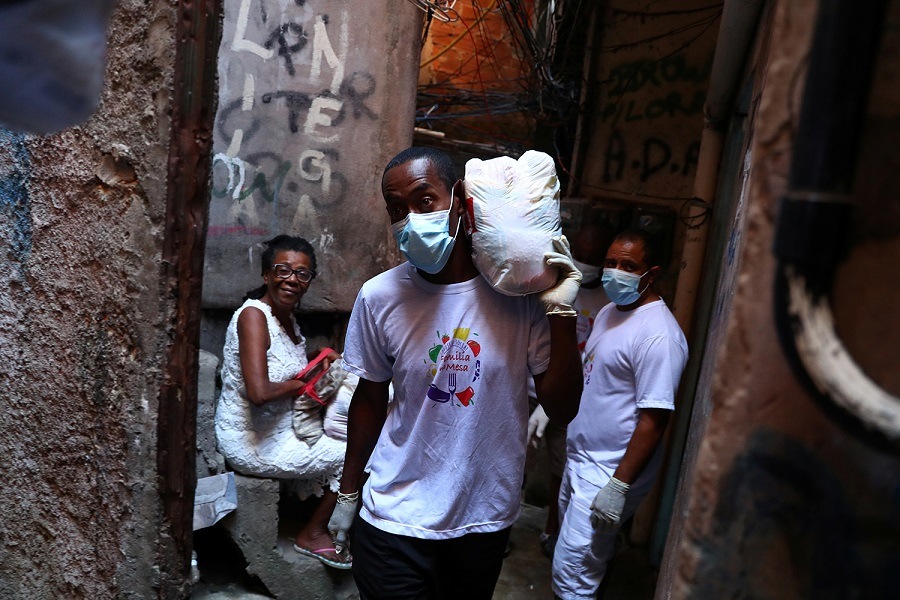
And it shows us the vulnerability of our development model, of globalization neglecting populations, of intense tourism. But it is not yet possible to think, as would be desirable, that we will have a more solidary world.
We are faced with the weakness of civilization, even in the case of wealthier nations and particularly in the case of a country as unequal as ours.
Source: O Estado de S. Paulo
More: Brazil news in English, every day from The Rio Times.
Read More from The Rio Times