IBOV 177,999.00 ▲ 0.47% IPSA 11,016.85 ▼ 0.13% IPC MEX 66,935.53 ▼ 0.58% MERVAL 3,291,323 ▼ 0.41% COLCAP 2,392.10 ▲ 2.12% BVL PERÚ 57,890.85 — — USD/BRL5.07▼ 0.01% USD/MXN17.33▼ 0.13% USD/CLP930.47▼ 0.07% USD/COP3,203▲ 1.65% USD/PEN3.39▼ 0.07% USD/ARS1,485▼ 0.03% USD/UYU40.20▲ 1.31% USD/PYG5,931▲ 1.14% USD/BOB12.10▲ 4.29% USD/DOP57.99▲ 0.14% USD/CRC448.40▲ 1.33% USD/GTQ7.62▲ 2.25% USD/HNL26.76▲ 1.53% USD/NIO 36.62 — 0.00% USD/VES744.76▼ 0.41% USD/PAB1.00— 0.00% USD/BZD2.00— 0.00% USD/JMD157.19▲ 0.37% USD/TTD6.72▲ 0.86% EUR/BRL5.86▲ 0.25% BRENT 90.12 ▲ 1.22% WTI 84.67 ▲ 1.29% IRON ORE 161.91 — — COPPER 6.47 ▲ 0.33% GOLD 4,107 ▲ 0.17% SILVER 57.79 ▼ 1.75% SOY 1,188 ▲ 0.87% CORN 464.00 ▲ 4.09% WHEAT 639.25 ▼ 3.65% COFFEE 313.55 ▼ 2.94% SUGAR 14.65 ▲ 1.52% ORANGE JUICE 153.35 ▲ 5.03% COTTON 81.20 ▲ 2.25% COCOA 5,537 ▲ 8.31% BEEF 227.25 ▼ 1.72% CATTLE 343.78 ▼ 0.78% LITHIUM 69.22 ▼ 0.85% PETR4 43.42 ▲ 1.35% VALE3 76.28 ▲ 0.25% ITUB4 42.89 ▲ 0.35% BBDC4 18.43 ▲ 0.22% ABEV3 15.99 ▲ 0.19% BBAS3 21.35 ▲ 0.76% B3SA3 15.73 ▲ 0.64% WEGE3 47.20 ▲ 0.81% PRIO3 60.85 ▲ 1.48% SUZB3 43.32 ▲ 1.38% RENT3 37.61 ▼ 1.62% AZZA3 16.42 ▲ 3.53% CSAN3 4.07 ▲ 2.01% RAIZ4 0.26 — 0.00% PCAR3 2.59 ▼ 5.47% GMAT3 4.03 ▲ 1.26% PSSA3 54.70 ▲ 0.64% CVCB3 1.31 ▲ 0.77% POSI3 3.55 ▲ 0.85% SLCE3 13.38 ▲ 0.91% NATU3 8.38 ▲ 0.60% BRKM5 5.97 ▲ 0.67% RANI3 8.11 ▲ 1.00% CSNA3 4.84 ▼ 2.22% CMIN3 5.71 ▼ 0.17% USIM5 7.36 ▼ 2.52% GGBR4 24.98 — 0.00% ENEV3 26.31 ▲ 0.61% CPFE3 46.14 ▲ 0.11% CMIG4 11.34 ▲ 0.98% EQTL3 38.66 — 0.00% LREN3 13.60 ▲ 0.59% VIVT3 32.63 — 0.00% RAIL3 14.44 ▲ 1.12% KLABIN 18.25 ▲ 1.11% RAIA DROGASIL 18.48 ▲ 1.26% RDOR3 34.64 ▲ 0.64% HAPV3 11.28 ▲ 2.45% FLRY3 17.14 ▲ 1.00% SMTO3 14.52 ▲ 0.83% UGPA3 33.05 ▲ 0.39% VBBR3 36.05 ▲ 1.18% BBSE3 41.26 ▲ 0.98% BPAC11 56.80 ▲ 0.32% CURY3 30.09 ▼ 1.02% AERI3 2.15 ▲ 0.94% VIVARA 22.18 ▲ 0.09% COMPASS 24.84 — 0.00% VAMOS 3.34 ▼ 2.34% SANB11 28.62 ▲ 13.35% ASAI3 8.50 ▲ 1.07% SBSP3 27.70 ▲ 1.06% WALMEX 50.36 ▲ 0.34% GMEXICO 208.29 ▼ 2.20% FEMSA 221.95 ▲ 1.19% CEMEX 20.54 ▼ 0.73% GFNORTE 199.64 ▼ 0.32% BIMBO 62.08 ▲ 2.26% TELEVISA 9.79 ▼ 0.91% AMX 22.00 — 0.00% GAP 376.64 ▼ 1.08% ASUR 275.62 ▼ 0.34% OMA 231.05 ▼ 0.96% KOF 187.94 ▼ 0.14% GRUMA 258.23 ▼ 4.00% KIMBER 40.19 ▼ 0.17% SQM-B 62,700 ▼ 0.93% COPEC 6,350 — 0.00% BSANTANDER 80.99 ▲ 0.36% FALABELLA 6,216 ▼ 0.06% ENELAM 87.99 ▲ 0.39% CENCOSUD 1,955 ▲ 0.51% CMPC 1,055 ▲ 2.43% BANCO CHILE 193.71 ▼ 1.57% LATAM AIR 24.74 ▼ 0.64% YPF 82,900 ▲ 1.94% GGAL 7,890 ▼ 1.56% PAMPA 5,555 ▲ 0.36% TXAR 655.50 ▲ 1.16% ALUAR 977.50 ▼ 0.20% TGS 10,050 ▲ 2.45% CEPU 2,396 ▼ 0.33% MIRGOR 16,350 ▼ 1.95% COME 44.03 ▼ 1.94% LOMA NEGRA 3,620 ▼ 1.76% BYMA 296.00 ▼ 0.34% TELECOM ARG 4,408 ▲ 2.14% ECOPETROL 16.77 ▼ 1.58% BANCOLOMBIA 92.52 ▼ 1.46% GRUPO AVAL 5.28 ▲ 2.75% CREDICORP 400.58 ▼ 0.42% SOUTHERN COPPER 182.71 ▼ 1.24% BUENAVENTURA 30.28 ▼ 4.96% MERCADOLIBRE 1,878 ▼ 0.41% NUBANK 14.33 ▼ 1.10% XP 17.06 ▼ 0.81% PAGSEGURO 9.64 ▼ 2.03% STONE 11.38 ▼ 0.48% GLOBANT 36.60 ▲ 0.58% TECNOGLASS 43.44 ▼ 0.34% GAP AIRPORT 217.35 ▼ 1.02% ASUR 275.62 ▼ 0.34% OMA AIRPORT 106.90 ▼ 1.10% AMX ADR 25.37 ▲ 0.18% FEMSA ADR 127.99 ▲ 0.97% CEMEX ADR 11.82 ▼ 0.92% PETROBRAS ADR 19.40 ▲ 1.46% VALE ADR 15.06 ▲ 0.47% ITAU ADR 8.46 ▲ 0.24% SANTANDER BR 5.67 ▲ 12.28% AMBEV ADR 3.11 ▼ 0.32% CSN 0.99 ▼ 2.42% GERDAU 4.96 — 0.00% LATAM ADR 52.75 ▼ 2.21% BTC 63,359 ▲ 0.95% ETH 1,879 ▲ 1.94% SOL 73.56 ▲ 2.36% XRP 1.08 ▲ 1.92% BNB 588.02 ▲ 2.27% ADA 0.19 ▲ 7.28% DOGE 0.07 ▲ 2.00% AVAX 6.58 ▲ 6.40% LINK 8.33 ▲ 3.45% DOT 0.80 ▲ 1.98% LTC 44.79 ▲ 1.37% BCH 213.58 ▲ 2.72% TRX 0.33 ▼ 0.14% XLM 0.17 ▲ 1.76% HBAR 0.07 ▲ 0.87% NEAR 1.70 ▲ 1.76% ATOM 1.27 ▲ 3.60% AAVE 92.35 ▲ 2.02% SELIC 14.25% EMBRAER 86.89 ▲ 0.87% EMBRAER ADR 68.33 ▲ 0.32% JBS 14.02 ▼ 1.89% JBS BDR 70.70 ▼ 2.01% MBRF3 17.54 ▼ 2.34% MBRFY 3.39 ▼ 2.31% INTER 5.60 ▼ 0.71% EGX 54,286 ▲ 1.23% USD/ZAR16.45▼ 0.62% USD/NGN1,364▼ 0.07% NIKKEI 64,362 ▲ 4.03% CSI300 4,588 ▲ 0.85% HSI 25,884 ▲ 0.10% NIFTY 24,384 ▲ 0.27% KOSPI 6,595 ▲ 17.91% JCI 6,236 ▲ 0.80% USD/JPY157.03▼ 0.35% USD/CNY6.74▼ 0.10% DAX 25,629 ▲ 0.07% CAC 8,510 ▲ 0.28% FTSE 10,868 ▼ 0.27% MIB 52,173 ▲ 0.13% IBEX 19,783 ▲ 0.13% STOXX 649.19 ▼ 0.12% EUR/USD1.16▲ 0.22% GBP/USD1.35▲ 0.09% SPX 7,490 ▲ 0.70% DJI 52,485 ▲ 0.53% NDX 28,274 ▲ 0.60% RUT 2,931 ▼ 0.50% TSX 35,226 ▼ 0.79% VIX 15.99 ▼ 6.44% USD/CAD1.40▼ 0.09% US10Y 4.7450 ▲ 1.76% IBOV 177,999.00 ▲ 0.47% IPSA 11,016.85 ▼ 0.13% IPC MEX 66,935.53 ▼ 0.58% MERVAL 3,291,323 ▼ 0.41% COLCAP 2,392.10 ▲ 2.12% BVL PERÚ 57,890.85 — — USD/BRL 5.07 ▼ 0.01% USD/MXN 17.33 ▼ 0.13% USD/CLP 930.47 ▼ 0.07% USD/COP 3,203 ▲ 1.65% USD/PEN 3.39 ▼ 0.07% USD/ARS 1,485 ▼ 0.03% USD/UYU 40.20 ▲ 1.25% USD/PYG 5,931 ▲ 1.14% USD/BOB 12.10 ▲ 8.06% USD/DOP 57.99 ▲ 0.24% USD/CRC 448.40 ▲ 1.33% USD/GTQ 7.62 ▲ 2.25% USD/HNL 26.76 ▲ 1.53% USD/NIO 36.62 — 0.00% USD/VES 744.76 ▼ 0.41% USD/PAB 1.00 — 0.00% USD/BZD 2.00 — 0.00% USD/JMD 157.19 ▲ 0.37% USD/TTD 6.72 ▲ 0.86% EUR/BRL 5.86 ▲ 0.25% BRENT 90.12 ▲ 1.22% WTI 84.67 ▲ 1.29% IRON ORE 161.91 — — COPPER 6.47 ▲ 0.33% GOLD 4,107 ▲ 0.17% SILVER 57.79 ▼ 1.75% SOY 1,188 ▲ 0.87% CORN 464.00 ▲ 4.09% WHEAT 639.25 ▼ 3.65% COFFEE 313.55 ▼ 2.94% SUGAR 14.65 ▲ 1.52% ORANGE JUICE 153.35 ▲ 5.03% COTTON 81.20 ▲ 2.25% COCOA 5,537 ▲ 8.31% BEEF 227.25 ▼ 1.72% CATTLE 343.78 ▼ 0.78% LITHIUM 69.22 ▼ 0.85% PETR4 43.42 ▲ 1.35% VALE3 76.28 ▲ 0.25% ITUB4 42.89 ▲ 0.35% BBDC4 18.43 ▲ 0.22% ABEV3 15.99 ▲ 0.19% BBAS3 21.35 ▲ 0.76% B3SA3 15.73 ▲ 0.64% WEGE3 47.20 ▲ 0.81% PRIO3 60.85 ▲ 1.48% SUZB3 43.32 ▲ 1.38% RENT3 37.61 ▼ 1.62% AZZA3 16.42 ▲ 3.53% CSAN3 4.07 ▲ 2.01% RAIZ4 0.26 — 0.00% PCAR3 2.59 ▼ 5.47% GMAT3 4.03 ▲ 1.26% PSSA3 54.70 ▲ 0.64% CVCB3 1.31 ▲ 0.77% POSI3 3.55 ▲ 0.85% SLCE3 13.38 ▲ 0.91% NATU3 8.38 ▲ 0.60% BRKM5 5.97 ▲ 0.67% RANI3 8.11 ▲ 1.00% CSNA3 4.84 ▼ 2.22% CMIN3 5.71 ▼ 0.17% USIM5 7.36 ▼ 2.52% GGBR4 24.98 — 0.00% ENEV3 26.31 ▲ 0.61% CPFE3 46.14 ▲ 0.11% CMIG4 11.34 ▲ 0.98% EQTL3 38.66 — 0.00% LREN3 13.60 ▲ 0.59% VIVT3 32.63 — 0.00% RAIL3 14.44 ▲ 1.12% KLABIN 18.25 ▲ 1.11% RAIA DROGASIL 18.48 ▲ 1.26% RDOR3 34.64 ▲ 0.64% HAPV3 11.28 ▲ 2.45% FLRY3 17.14 ▲ 1.00% SMTO3 14.52 ▲ 0.83% UGPA3 33.05 ▲ 0.39% VBBR3 36.05 ▲ 1.18% BBSE3 41.26 ▲ 0.98% BPAC11 56.80 ▲ 0.32% CURY3 30.09 ▼ 1.02% AERI3 2.15 ▲ 0.94% VIVARA 22.18 ▲ 0.09% COMPASS 24.84 — 0.00% VAMOS 3.34 ▼ 2.34% SANB11 28.62 ▲ 13.35% ASAI3 8.50 ▲ 1.07% SBSP3 27.70 ▲ 1.06% WALMEX 50.36 ▲ 0.34% GMEXICO 208.29 ▼ 2.20% FEMSA 221.95 ▲ 1.19% CEMEX 20.54 ▼ 0.73% GFNORTE 199.64 ▼ 0.32% BIMBO 62.08 ▲ 2.26% TELEVISA 9.79 ▼ 0.91% AMX 22.00 — 0.00% GAP 376.64 ▼ 1.08% ASUR 275.62 ▼ 0.34% OMA 231.05 ▼ 0.96% KOF 187.94 ▼ 0.14% GRUMA 258.23 ▼ 4.00% KIMBER 40.19 ▼ 0.17% SQM-B 62,700 ▼ 0.93% COPEC 6,350 — 0.00% BSANTANDER 80.99 ▲ 0.36% FALABELLA 6,216 ▼ 0.06% ENELAM 87.99 ▲ 0.39% CENCOSUD 1,955 ▲ 0.51% CMPC 1,055 ▲ 2.43% BANCO CHILE 193.71 ▼ 1.57% LATAM AIR 24.74 ▼ 0.64% YPF 82,900 ▲ 1.94% GGAL 7,890 ▼ 1.56% PAMPA 5,555 ▲ 0.36% TXAR 655.50 ▲ 1.16% ALUAR 977.50 ▼ 0.20% TGS 10,050 ▲ 2.45% CEPU 2,396 ▼ 0.33% MIRGOR 16,350 ▼ 1.95% COME 44.03 ▼ 1.94% LOMA NEGRA 3,620 ▼ 1.76% BYMA 296.00 ▼ 0.34% TELECOM ARG 4,408 ▲ 2.14% ECOPETROL 16.77 ▼ 1.58% BANCOLOMBIA 92.52 ▼ 1.46% GRUPO AVAL 5.28 ▲ 2.75% CREDICORP 400.58 ▼ 0.42% SOUTHERN COPPER 182.71 ▼ 1.24% BUENAVENTURA 30.28 ▼ 4.96% MERCADOLIBRE 1,878 ▼ 0.41% NUBANK 14.33 ▼ 1.10% XP 17.06 ▼ 0.81% PAGSEGURO 9.64 ▼ 2.03% STONE 11.38 ▼ 0.48% GLOBANT 36.60 ▲ 0.58% TECNOGLASS 43.44 ▼ 0.34% GAP AIRPORT 217.35 ▼ 1.02% ASUR 275.62 ▼ 0.34% OMA AIRPORT 106.90 ▼ 1.10% AMX ADR 25.37 ▲ 0.18% FEMSA ADR 127.99 ▲ 0.97% CEMEX ADR 11.82 ▼ 0.92% PETROBRAS ADR 19.40 ▲ 1.46% VALE ADR 15.06 ▲ 0.47% ITAU ADR 8.46 ▲ 0.24% SANTANDER BR 5.67 ▲ 12.28% AMBEV ADR 3.11 ▼ 0.32% CSN 0.99 ▼ 2.42% GERDAU 4.96 — 0.00% LATAM ADR 52.75 ▼ 2.21% BTC 63,359 ▲ 0.95% ETH 1,879 ▲ 1.94% SOL 73.56 ▲ 2.36% XRP 1.08 ▲ 1.92% BNB 588.02 ▲ 2.27% ADA 0.19 ▲ 7.28% DOGE 0.07 ▲ 2.00% AVAX 6.58 ▲ 6.40% LINK 8.33 ▲ 3.45% DOT 0.80 ▲ 1.98% LTC 44.79 ▲ 1.37% BCH 213.58 ▲ 2.72% TRX 0.33 ▼ 0.14% XLM 0.17 ▲ 1.76% HBAR 0.07 ▲ 0.87% NEAR 1.70 ▲ 1.76% ATOM 1.27 ▲ 3.60% AAVE 92.35 ▲ 2.02% SELIC 14.25% EMBRAER 86.89 ▲ 0.87% EMBRAER ADR 68.33 ▲ 0.32% JBS 14.02 ▼ 1.89% JBS BDR 70.70 ▼ 2.01% MBRF3 17.54 ▼ 2.34% MBRFY 3.39 ▼ 2.31% INTER 5.60 ▼ 0.71% EGX 54,286 ▲ 1.23% USD/ZAR 16.45 ▼ 0.52% USD/NGN 1,364 ▲ 0.15% NIKKEI 64,362 ▲ 4.03% CSI300 4,588 ▲ 0.85% HSI 25,884 ▲ 0.10% NIFTY 24,384 ▲ 0.27% KOSPI 6,595 ▲ 17.91% JCI 6,236 ▲ 0.80% USD/JPY 157.04 ▼ 1.61% USD/CNY 6.7448 ▲ 0.01% DAX 25,629 ▲ 0.07% CAC 8,510 ▲ 0.28% FTSE 10,868 ▼ 0.27% MIB 52,173 ▲ 0.13% IBEX 19,783 ▲ 0.13% STOXX 649.19 ▼ 0.12% EUR/USD 1.1549 ▲ 0.17% GBP/USD 1.3493 ▲ 0.22% SPX 7,490 ▲ 0.70% DJI 52,485 ▲ 0.53% NDX 28,274 ▲ 0.60% RUT 2,931 ▼ 0.50% TSX 35,226 ▼ 0.79% VIX 15.99 ▼ 6.44% USD/CAD 1.4007 ▼ 0.03% US10Y 4.7450 ▲ 1.76%
since 2009
Sunday, August 2, 2026

Op-Ed Guest Opinions

GringoView: ‘Favela’ – Inside the Reality

By · February 28, 2020 · 6 min read

Daily Brief

The morning intel from across Latin America. Free.

By subscribing you agree to our privacy policy. We never share your email.

SÃO PAULO, BRAZIL – (Opinion) The question that must have been asked over and over again in 1968 in Rio’s Catacumba favela; who was this attractive young gringo woman and what was she doing living here in the favela?

Working on her PHD from MIT, Janice Perlman (now Dr. Janice Perlman) had taken up residence with a host family in Catacumba. Her mission was to study how the lives of the migrants from the countryside to Rio had changed and not incidentally to study life in Rio’s favelas and the lives of the favelados.

Now, ten years after the English edition was published by Oxford University Press, the Portuguese publication of ‘Favela, Four Decades of Living on the Edge in Rio de Janeiro’ (Favela: quatro décadas de transformações no Rio de Janeiro), with an introduction by Fernando Henrique Cardoso, is being published here as an Ebook by FGV Editora.
Now, ten years after the English edition was published by Oxford University Press, the Portuguese publication of ‘Favela, Four Decades of Living on the Edge in Rio de Janeiro’ (Favela: quatro décadas de transformações no Rio de Janeiro), with an introduction by Fernando Henrique Cardoso, is being published here as an Ebook by FGV Editora. (Photo Janice Perlman)
One-stop reference
Company Intelligence
Every listed company in Latin America — financials, ownership and structure for 1,450+ companies across 26 exchanges, in one place.
Browse the directory →
RT
Ask Rio Times
17 years of Latin America reporting, on demand.
Open the full Ask Rio Times →

A Social Scientist and Urban Studies specialist, she would ultimately live for months in three of Rio’s favelas and would author ‘The Myth of Marginality’ (O Mito da Marginalidade (Editora Paz e Terra,1977), hailed as “one of the most important works in global urban studies in the last 30 years”.

First published in Brazil in Portuguese and subsequently in many other countries, it is a landmark and controversial study of the reality of the favela, its residents and their marginality in the ‘Cidade Maravilhosa’ (The Wonderful City).

What do we really know about the favelas, a highly visible part of our cities, originally and even now assumed by many to be blots on the urban landscape: drug-dominated squatter communities the police are fearful of entering, virtual prisons from which a resident’s escape appears all but impossible.

Nonetheless, the favelas and other types of so-called ‘communidades’ (the current scrubbed and politically correct term) are home to over a quarter of Rio’s population. They cannot and should not be ignored.

Living in the Rio’s favelas in 1968-69, “was one of the happiest periods of my life” says Perlman. “I have never felt as safe or as welcomed in any community before or since… I admired the residents’ jeito (knack) for inventing solutions and using humor as a survival skill.” She feared that people in the favela might not want her to ask her searching questions but found just the opposite to be true. “People loved being interviewed. It was the first time anyone had given value to their life stories…”
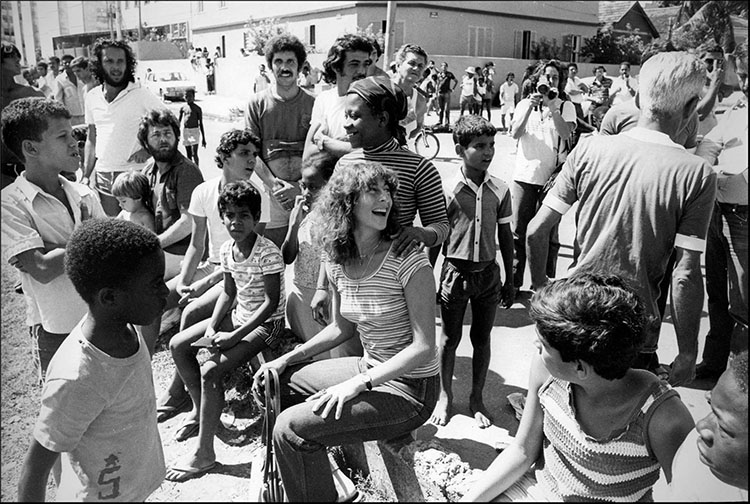
he question that must have been asked over and over again in 1968 in Rio’s Catacumba favela; who was this attractive young gringo woman and what was she doing living here in the favela?
he question that must have been asked over and over again in 1968 in Rio’s Catacumba favela; who was this attractive young gringo woman and what was she doing living here in the favela? (Photo internet reproduction)

Perlman traces the post-World War II migration from the country to the cities. As she writes; “The migrants, rather than being ‘the dregs of the barrel’– the most impoverished among the rural people, were more often the ‘cream of the crop’ – the most farsighted, capable, and courageous members of their communities.

They were the ones with the motivation and willingness to work in the least desirable jobs for the longest hours at the lowest pay in order to provide their children with opportunities they never had. While in the eyes of others, they were the uprooted masses ready to rise up in revolt when confronted with the riches all around them, in their own eyes, they were proud of doing so much better than those who had stayed behind.”

When they arrived in the big cities, they need housing, found vacant land, built shacks which developed into settlements with unique personalities. When Perlman began her work, the favela communities were just becoming established and were constantly struggling against eviction by the authorities.

The fact that an American student was living in the favela raised government suspicions that she might be an international agent of subversion, not at all what the “most repressive years of Brazil’ military dictatorship” wanted to see.

Hearing that she was in danger, Perlman, having made arrangements for the research data to be smuggled out of the country, flew out just ahead of a raid by thought-police who ransacked the shack in which she had been living.

In a recent interview with me about her work, Perlman said: One of the ways of stigmatizing the urban poor in Latin America has been to label them as ‘marginal’ and their condition as one of ‘marginality’. The concept of marginality and the set of stereotypes it implies were so widely accepted – not only by popular wisdom and social scientists but by policy makers. My study showed that these stereotypes or ‘myths of marginality’ are not only empirically false and analytically misleading but disastrous in their policy implications.
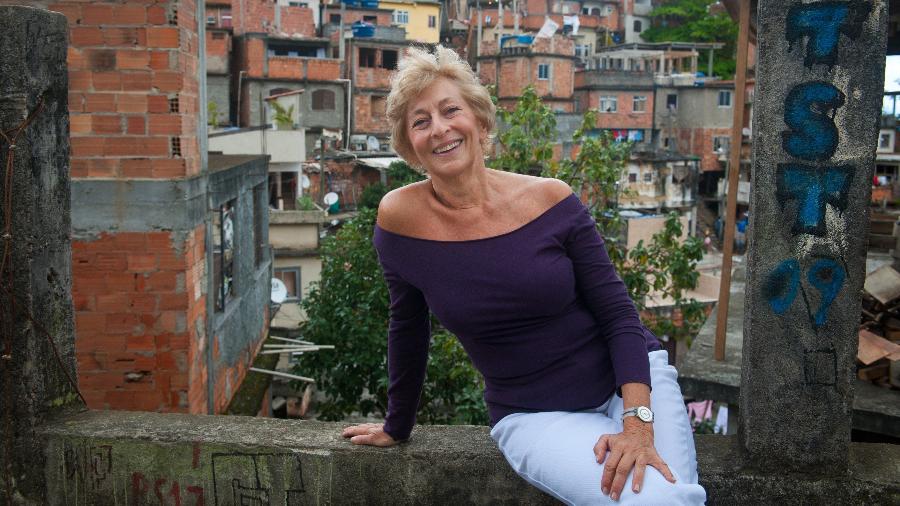
Perlman is scheduled to speak about her work at the official open public celebration of the Ebook of ‘Favela’ at 18:00 on March 4th in Rio’s Instituto Pereira Passos.
Perlman is scheduled to speak about her work at the official open public celebration of the Ebook of ‘Favela’ at 18:00 on March 4th in Rio’s Instituto Pereira Passos. (Photo internet reproduction)

Now, ten years after the English edition was published by Oxford University Press, the Portuguese publication of ‘Favela, Four Decades of Living on the Edge in Rio de Janeiro’ (Favela: quatro décadas de transformações no Rio de Janeiro), with an introduction by Fernando Henrique Cardoso, is being published here as an Ebook by FGV Editora.

The story of why it took ten years to go from English to Portuguese is a mix of possible political sabotage, the Brazilian financial crisis and general economic difficulties in the publishing industry.

Perlman is scheduled to speak about her work at the official open public celebration of the Ebook of ‘Favela’ at 18:00 on March 4th in Rio’s Instituto Pereira Passos.

In the preface to ‘Favela’, Perlman writes: This book is not about places. In a sense it is not really about favelas. It is a book about the people who have shaped the places and spaces that are called favelas– squatter settlements, shantytowns, or ‘popular communities’. It is about four generations of people who have lived in favelas or whose families lived in favelas—about people balancing on the narrow precipice between surviving and thriving. It is about their struggles, sufferings, and successes in their efforts to rise above a hostile environment. This is a chronicle of poor people’s attempts to claim their rights to personhood – their fight to be perceived as gente—to be treated with respect and granted human dignity.

Imagine returning to Rio thirty years after the initial research work and searching for the 750 original study participants, favelados whose surnames had not been recorded in the original research to protect their identity and whose ‘addresses’ (if they were ever defined) were long lost.
In her book, Perlman writes that residents’ fear of being removed from the favelas in the 1960s and 70s has been replaced by the fear of violence, a consequence of the drug wars which have taken over the hills of the favelas in Rio
In her book, Perlman writes that residents’ fear of being removed from the favelas in the 1960s and 70s has been replaced by the fear of violence, a consequence of the drug wars which have taken over the hills of the favelas in Rio. (Photo internet reproduction)

Despite these difficulties, Perlman and her researchers found an astonishing 41 percent of them. Aware that comparing the current lives of these participants to what they were like three decades earlier would not be enough, she sought out their children and grandchildren who would now be in the same age range as the original participants when she first interviewed them. These interviews provide a striking comparison of lives in the late 1960s and years later when ‘Favela’ was research and written.

In her book, Perlman writes that residents’ fear of being removed from the favelas in the 1960s and 70s has been replaced by the fear of violence, a consequence of the drug wars which have taken over the hills of the favelas in Rio. As she says: “While educational levels have risen, democracy has replaced dictatorship, and material conditions have improved, many residents feel more marginalized than ever. The greatest change is the explosion of drug and arms trade and the high incidence of fatal violence that has resulted.”

What makes Perlman’s writing so intriguing and interesting is that her natural empathy, her love for Brazil and its people are never overridden by her scientific discipline. There is so much material in ‘Favela’ that without her stories, her personalization of issues and findings, it might be too much, a valuable scholarly tome instead of the engaging and thought-provoking work it is.

“It is clear” she says soberly, “…urban poverty will become one of the most salient social, economic, and political issues the country will face. “ But despite all the daunting challenges; “No matter how many obstacles they face, the people I interviewed for this book are full of hope for the future. Their optimism is contagious.”

Read More from The Rio Times

The Rio Times · Power Map
See who really holds power in Latin America
Click to open the Power Map

Rotate for Best Experience

This report is optimized for landscape viewing. Rotate your phone for the full experience.