Brazilian Food Tech Startup Fazenda Futuro is Valued at US$100 Million
RIO DE JANEIRO, BRAZIL – A pioneer in the vegetable hamburger market — manufactured with foods such as soybeans and beets, but replicating the consistency of beef — the Brazilian food tech startup Fazenda Futuro announced on Thursday, July 18th, that it is valued at US$100 million.

The appraisal occurs after the company has received a US$ 8.5 million round of investments, led by Brazilian fund Monashees, which has previously invested in names such as Loggi, 99, and Rappi. The Go4it fund, directed by Marc Lemann, son of Jorge Paulo Lemann, also joined the round.
Zürich-based Jorge Paulo Lemann is a Swiss Brazilian businessman. As of June 2019, he was ranked as the 36th richest person in the world by Forbes, with an estimated net worth of US$22.9 billion.
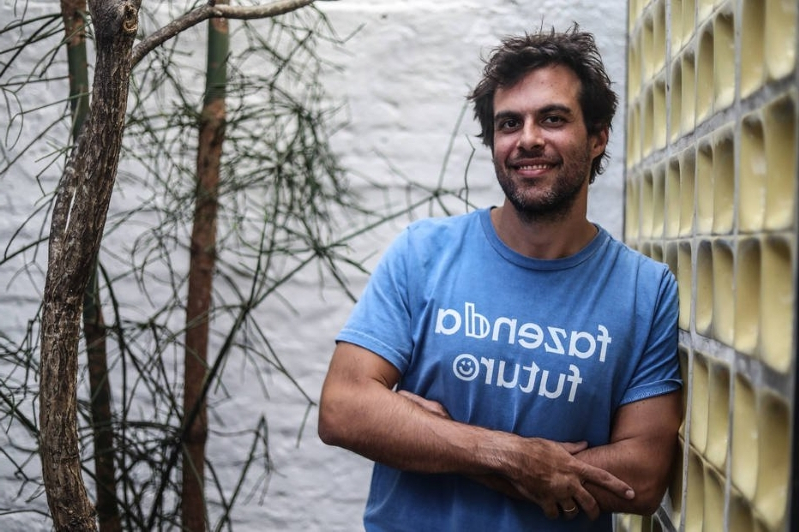
It is a speedy evolution for Fazenda Futuro, founded in April by Alfredo Strechinsky and Marcos Leta — the latter responsible for developing the Do Bem juice brand. In May, the company introduced the first version of the Futuro Burger into the market, its main product so far, in partnership with the São Paulo network of Lanchonete da Cidade.
In addition, it began selling its product in supermarkets — a tray with two burgers has a recommended price of R$ 20. Since then, it has been present in over 100 restaurants and approximately 2,000 points of sale.
Through this contribution, Fazenda Futuro intends to expand its sales network throughout the country.
Today, it is centered in the southeast and some capital cities in Brazil’s south and northeast. To do so, it will be recruiting — it intends to triple the number of employees by the end of the year, which currently stands at thirty workers. The majority of positions will be opened in the sales team.
Besides, the company intends to expand its manufacturing structure to lower the hamburger’s cost. “Soon, we will increase our production from 150 tons to 550 tons per month,” Leta says to Estado.
The investment will also help the company introduce new products into the market. Within sixty days, it will begin supplying ground meat and vegetable meatballs to the Spoleto fast-food chain, which will use them in dishes such as spaghetti bolognese. After a few weeks, the products will also be available at points of sale.
Soon later, in September, the Futuro Burger 2.0 will reach partnering stores and restaurants, with a combination of soy, peas, chickpea, and beetroot. The difference, according to Leta, is that it will be much more similar to the texture, taste, and color of beef.
According to the executive, there is a long way ahead — and for the time being, Fazenda Futuro has no plans for international expansion. “Brazil is today the second-largest consumer of beef per capita. There’s still much room for growth here,” he says.
More: Brazil news in English, every day from The Rio Times.
This article was produced by The Rio Times’ automated newsroom system. How we use AI · Report an error · Editorial responsibility: Matthias Camenzind, Editor-in-Chief
Brazil runoff, Sunday, October 25: When is the Brazil runoff election. Latest: Brazil runoff polls, Flávio 51%, Lula 49%.