IBOV 171,906.72 ▲ 0.51% IPSA 11,537.98 ▲ 1.76% IPC MEX 66,105.23 ▲ 0.57% MERVAL 2,995,129 ▲ 2.81% COLCAP 2,510.72 ▲ 2.09% BVL PERÚ 60,222.25 ▼ 0.17% USD/BRL5.16▲ 0.40% USD/MXN16.94▲ 0.21% USD/CLP911.58▼ 0.37% USD/COP3,055▲ 0.40% USD/PEN3.35▼ 0.02% USD/ARS1,509▲ 0.63% USD/UYU40.18▼ 0.03% USD/PYG5,989▼ 0.11% USD/BOB11.44▲ 0.09% USD/DOP58.34▼ 0.53% USD/CRC446.05▼ 0.89% USD/GTQ7.62▼ 0.04% USD/HNL26.82▲ 0.02% USD/NIO36.62— 0.00% USD/VES783.11▲ 0.53% USD/PAB1.00— 0.00% USD/BZD2.00— 0.00% USD/JMD 157.28 — 0.00% USD/TTD6.72▲ 0.25% EUR/BRL6.01▲ 0.23% BRENT 88.88 ▼ 0.03% WTI 83.11 ▼ 0.11% IRON ORE 161.91 — — COPPER 6.61 ▲ 0.03% GOLD 4,461 ▲ 1.78% SILVER 65.59 ▲ 1.26% SOY 1,184 ▲ 3.20% CORN 480.50 ▲ 10.02% WHEAT 655.00 ▲ 3.93% COFFEE 317.25 ▼ 5.51% SUGAR 16.43 ▼ 1.79% ORANGE JUICE 138.55 ▼ 0.47% COTTON 85.03 ▲ 2.33% COCOA 5,719 ▲ 3.18% BEEF 223.60 ▼ 3.93% CATTLE 339.10 ▼ 3.16% LITHIUM 75.20 ▲ 1.47% PETR4 41.64 ▼ 0.05% VALE3 72.97 ▲ 0.83% ITUB4 38.60 ▼ 1.03% BBDC4 16.85 ▲ 0.36% ABEV3 14.89 ▼ 0.80% BBAS3 19.37 ▲ 0.47% B3SA3 14.26 ▼ 0.21% WEGE3 47.59 ▲ 0.49% PRIO3 59.14 ▼ 0.19% SUZB3 41.33 ▲ 2.35% RENT3 34.68 ▼ 0.09% AZZA3 15.89 ▼ 2.63% CSAN3 3.22 ▼ 1.83% RAIZ4 0.25 — 0.00% PCAR3 2.75 ▼ 0.36% GMAT3 3.65 ▼ 1.08% PSSA3 48.13 ▼ 0.54% CVCB3 1.33 ▼ 2.92% POSI3 3.36 ▲ 2.44% SLCE3 13.34 ▲ 0.30% NATU3 8.14 ▼ 0.73% IBOV 171,906.72 ▲ 0.51% IPSA 11,537.98 ▲ 1.76% IPC MEX 66,105.23 ▲ 0.57% MERVAL 2,995,129 ▲ 2.81% COLCAP 2,510.72 ▲ 2.09% BVL PERÚ 60,222.25 ▼ 0.17% USD/BRL 5.16 ▲ 0.01% USD/MXN 17.06 ▼ 0.24% USD/CLP 913.98 ▲ 0.04% USD/COP 3,140 ▲ 0.03% USD/PEN 3.36 ▼ 0.66% USD/ARS 1,493 ▲ 0.10% USD/UYU 40.27 ▲ 1.24% USD/PYG 5,939 ▲ 1.68% USD/BOB 11.64 ▼ 0.76% USD/DOP 58.34 ▲ 1.25% USD/CRC 445.92 ▲ 0.89% USD/GTQ 7.62 ▲ 2.21% USD/HNL 26.79 ▲ 1.57% USD/NIO 36.62 ▲ 0.69% USD/VES 762.44 ▼ 0.13% USD/PAB 1.00 — 0.00% USD/BZD 2.00 — 0.00% USD/JMD 157.28 — 0.00% USD/TTD 6.70 ▲ 0.61% EUR/BRL 5.95 ▲ 1.01% BRENT 88.88 ▼ 0.03% WTI 83.11 ▼ 0.11% IRON ORE 161.91 — — COPPER 6.61 ▲ 0.03% GOLD 4,461 ▲ 1.78% SILVER 65.59 ▲ 1.26% SOY 1,184 ▲ 3.20% CORN 480.50 ▲ 10.02% WHEAT 655.00 ▲ 3.93% COFFEE 317.25 ▼ 5.51% SUGAR 16.43 ▼ 1.79% ORANGE JUICE 138.55 ▼ 0.47% COTTON 85.03 ▲ 2.33% COCOA 5,719 ▲ 3.18% BEEF 223.60 ▼ 3.93% CATTLE 339.10 ▼ 3.16% LITHIUM 75.20 ▲ 1.47% PETR4 41.64 ▼ 0.05% VALE3 72.97 ▲ 0.83% ITUB4 38.60 ▼ 1.03% BBDC4 16.85 ▲ 0.36% ABEV3 14.89 ▼ 0.80% BBAS3 19.37 ▲ 0.47% B3SA3 14.26 ▼ 0.21% WEGE3 47.59 ▲ 0.49% PRIO3 59.14 ▼ 0.19% SUZB3 41.33 ▲ 2.35% RENT3 34.68 ▼ 0.09% AZZA3 15.89 ▼ 2.63% CSAN3 3.22 ▼ 1.83% RAIZ4 0.25 — 0.00% PCAR3 2.75 ▼ 0.36% GMAT3 3.65 ▼ 1.08% PSSA3 48.13 ▼ 0.54% CVCB3 1.33 ▼ 2.92% POSI3 3.36 ▲ 2.44% SLCE3 13.34 ▲ 0.30% NATU3 8.14 ▼ 0.73%
since 2009
Tuesday, August 25, 2026

Brazil Business - Brazil

Transportation Apps Boost Vehicle Financing in Brazil

By · July 19, 2019 · 3 min read

Daily Brief

The morning intel from across Latin America. Free.

By subscribing you agree to our privacy policy. We never share your email.

RIO DE JANEIRO, BRAZIL – Transportation Apps are impacting the vehicle loan market. Car, motorcycle and truck financing grew 9.1 percent in the first half of the year, compared to the same period in 2018.

According to a survey by Stock Exchange B3, operating the National Secured Transactions System (SNG), financing enabled the purchase of 2.87 million vehicles, of which 1.06 million are new — an increase of 9.7 percent. Used cars totaled 1.81 million units, an increase of 8.7 percent.

"In my opinion, this kind of indirect financing via Uber is not consumption. They did not buy a car for personal use or leisure," said Nicola Tingas.
“In my opinion, this kind of indirect financing via Uber is not consumption. They did not buy a car for personal use or leisure,” said Nicola Tingas. (Photo internet reproduction)
One-stop reference
Company Intelligence
Every listed company in Latin America — financials, ownership and structure for 1,450+ companies across 26 exchanges, in one place.
Browse the directory →
RT
Ask Rio Times
Latin American markets, currencies and companies.
Open the full Ask Rio Times →

Among the factors behind the increase in sales is the market generated by apps such as Uber, 99, and Cabify. “Many people who become unemployed look at the transportation sector as an alternative source of income and therefore need a car,” says Juliana Inhasz, coordinator of the undergraduate Economics program at the Institute for Education and Research.

This growth is driven by investments in vehicles for passenger transport, whether bought or rented, has been noted since last year, according to the chief economist of the National Association of Credit, Financing and Investment Institutions, Nicola Tingas. “It has a significant impact. This has been evident since last year”.

A still feeble market

Tingas points out that this growth does not represent a boost in the consumer market, but an investment by those who intend to work under this system. “In my opinion, this kind of indirect financing via Uber is not consumption. They did not buy a car for personal use or leisure.”
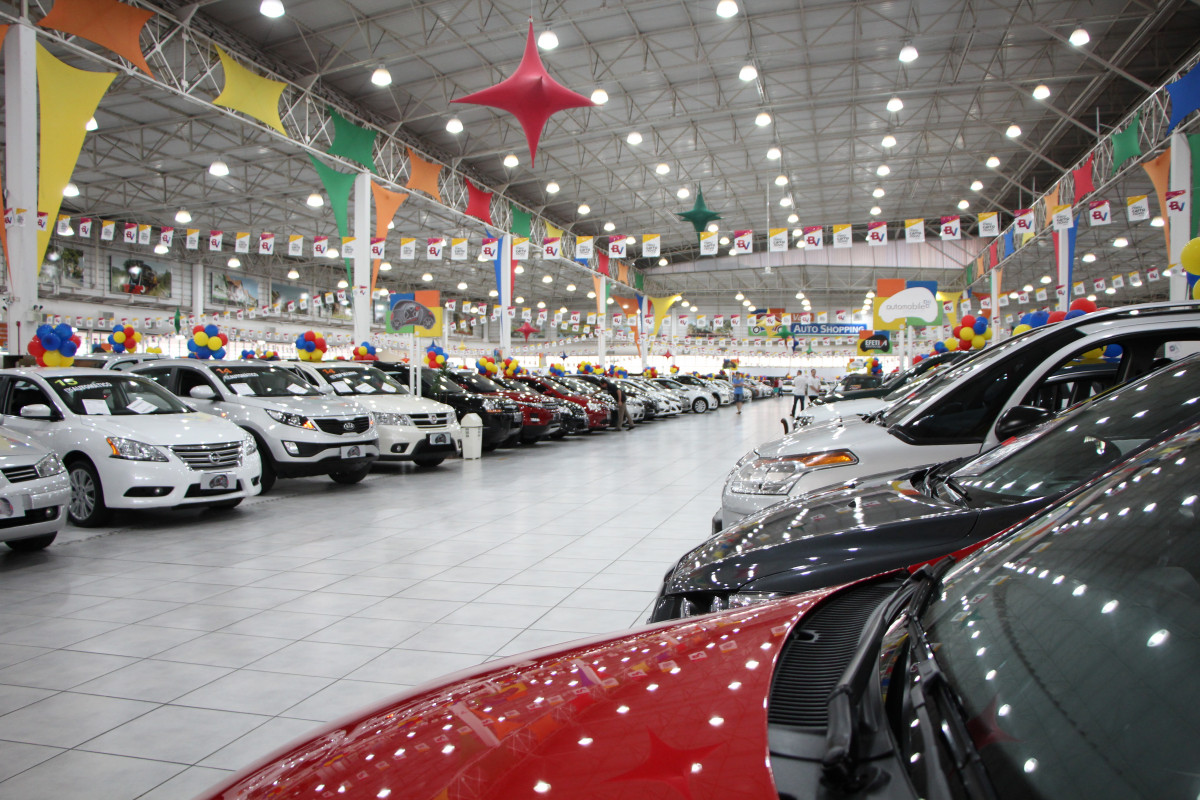
Despite the good news, the economist believes that there is still a long way to go before the automotive industry returns to the same level it was before the recession.
Despite the good news, the economist believes that there is still a long way to go before the automotive industry returns to the same level as before the recession. (Photo internet reproduction)

Along with the purchase of vehicles as a work tool, there has also been an increase in truck purchases, representing the most significant percentage growth in the period. In the first six months of 2019, 128.8 thousand units were financed, an increase of 23.47 percent over the first half of 2018.

Juliana Inhasz said there is a market upturn after four years of recession, due to improved income and credit conditions, with lower interest rates. “Although the rise is significant, we are talking about a feeble base. It seems like a major upswing, but in fact, it is a recovery; we are trying to recuperate a sector that suffered a lot from the recession.”

Among the factors suggesting more favorable conditions in the economy is the decline in unemployment, according to the professor. “There is an improvement in the market because the unemployment rate has dropped: slowly, but it has.”

Despite the good news, the economist believes that there is still a long way to go before the automotive industry returns to the same level as before the recession. “We need at least six years of work to get back to where we were in 2012, 2013. In an optimistic scenario,” she said.

This article was produced by The Rio Times’ automated newsroom system. How we use AI · Report an error

Read More from The Rio Times

The Rio Times · Power Map
See who really holds power in Latin America
Click to open the Power Map

Rotate for Best Experience

This report is optimized for landscape viewing. Rotate your phone for the full experience.