IBOV 171,906.72 ▲ 0.51% IPSA 11,537.98 ▲ 1.76% IPC MEX 66,105.23 ▲ 0.57% MERVAL 2,995,129 ▲ 2.81% COLCAP 2,510.72 ▲ 2.09% BVL PERÚ 60,222.25 ▼ 0.17% USD/BRL5.16▲ 0.40% USD/MXN16.94▲ 0.21% USD/CLP911.58▼ 0.37% USD/COP3,055▲ 0.40% USD/PEN3.35▼ 0.02% USD/ARS1,509▲ 0.63% USD/UYU40.18▼ 0.03% USD/PYG5,989▼ 0.11% USD/BOB11.44▲ 0.09% USD/DOP58.34▼ 0.53% USD/CRC446.05▼ 0.89% USD/GTQ7.62▼ 0.04% USD/HNL26.82▲ 0.02% USD/NIO36.62— 0.00% USD/VES783.11▲ 0.53% USD/PAB1.00— 0.00% USD/BZD2.00— 0.00% USD/JMD 157.28 — 0.00% USD/TTD6.72▲ 0.25% EUR/BRL6.01▲ 0.23% BRENT 88.88 ▼ 0.03% WTI 83.11 ▼ 0.11% IRON ORE 161.91 — — COPPER 6.61 ▲ 0.03% GOLD 4,461 ▲ 1.78% SILVER 65.59 ▲ 1.26% SOY 1,184 ▲ 3.20% CORN 480.50 ▲ 10.02% WHEAT 655.00 ▲ 3.93% COFFEE 317.25 ▼ 5.51% SUGAR 16.43 ▼ 1.79% ORANGE JUICE 138.55 ▼ 0.47% COTTON 85.03 ▲ 2.33% COCOA 5,719 ▲ 3.18% BEEF 223.60 ▼ 3.93% CATTLE 339.10 ▼ 3.16% LITHIUM 75.20 ▲ 1.47% PETR4 41.64 ▼ 0.05% VALE3 72.97 ▲ 0.83% ITUB4 38.60 ▼ 1.03% BBDC4 16.85 ▲ 0.36% ABEV3 14.89 ▼ 0.80% BBAS3 19.37 ▲ 0.47% B3SA3 14.26 ▼ 0.21% WEGE3 47.59 ▲ 0.49% PRIO3 59.14 ▼ 0.19% SUZB3 41.33 ▲ 2.35% RENT3 34.68 ▼ 0.09% AZZA3 15.89 ▼ 2.63% CSAN3 3.22 ▼ 1.83% RAIZ4 0.25 — 0.00% PCAR3 2.75 ▼ 0.36% GMAT3 3.65 ▼ 1.08% PSSA3 48.13 ▼ 0.54% CVCB3 1.33 ▼ 2.92% POSI3 3.36 ▲ 2.44% SLCE3 13.34 ▲ 0.30% NATU3 8.14 ▼ 0.73% IBOV 171,906.72 ▲ 0.51% IPSA 11,537.98 ▲ 1.76% IPC MEX 66,105.23 ▲ 0.57% MERVAL 2,995,129 ▲ 2.81% COLCAP 2,510.72 ▲ 2.09% BVL PERÚ 60,222.25 ▼ 0.17% USD/BRL 5.16 ▲ 0.01% USD/MXN 17.06 ▼ 0.24% USD/CLP 913.98 ▲ 0.04% USD/COP 3,140 ▲ 0.03% USD/PEN 3.36 ▼ 0.66% USD/ARS 1,493 ▲ 0.10% USD/UYU 40.27 ▲ 1.24% USD/PYG 5,939 ▲ 1.68% USD/BOB 11.64 ▼ 0.76% USD/DOP 58.34 ▲ 1.25% USD/CRC 445.92 ▲ 0.89% USD/GTQ 7.62 ▲ 2.21% USD/HNL 26.79 ▲ 1.57% USD/NIO 36.62 ▲ 0.69% USD/VES 762.44 ▼ 0.13% USD/PAB 1.00 — 0.00% USD/BZD 2.00 — 0.00% USD/JMD 157.28 — 0.00% USD/TTD 6.70 ▲ 0.61% EUR/BRL 5.95 ▲ 1.01% BRENT 88.88 ▼ 0.03% WTI 83.11 ▼ 0.11% IRON ORE 161.91 — — COPPER 6.61 ▲ 0.03% GOLD 4,461 ▲ 1.78% SILVER 65.59 ▲ 1.26% SOY 1,184 ▲ 3.20% CORN 480.50 ▲ 10.02% WHEAT 655.00 ▲ 3.93% COFFEE 317.25 ▼ 5.51% SUGAR 16.43 ▼ 1.79% ORANGE JUICE 138.55 ▼ 0.47% COTTON 85.03 ▲ 2.33% COCOA 5,719 ▲ 3.18% BEEF 223.60 ▼ 3.93% CATTLE 339.10 ▼ 3.16% LITHIUM 75.20 ▲ 1.47% PETR4 41.64 ▼ 0.05% VALE3 72.97 ▲ 0.83% ITUB4 38.60 ▼ 1.03% BBDC4 16.85 ▲ 0.36% ABEV3 14.89 ▼ 0.80% BBAS3 19.37 ▲ 0.47% B3SA3 14.26 ▼ 0.21% WEGE3 47.59 ▲ 0.49% PRIO3 59.14 ▼ 0.19% SUZB3 41.33 ▲ 2.35% RENT3 34.68 ▼ 0.09% AZZA3 15.89 ▼ 2.63% CSAN3 3.22 ▼ 1.83% RAIZ4 0.25 — 0.00% PCAR3 2.75 ▼ 0.36% GMAT3 3.65 ▼ 1.08% PSSA3 48.13 ▼ 0.54% CVCB3 1.33 ▼ 2.92% POSI3 3.36 ▲ 2.44% SLCE3 13.34 ▲ 0.30% NATU3 8.14 ▼ 0.73%
since 2009
Tuesday, August 25, 2026

Brazil Latest News

Million-Year-old Fossils are Sold Off Illegally in Brazil’s Ceará State

By · July 19, 2019 · 3 min read

Daily Brief

The morning intel from across Latin America. Free.

By subscribing you agree to our privacy policy. We never share your email.

RIO DE JANEIRO, BRAZIL – Banned in Brazil, the purchase and sale of fossils are freely practiced in municipalities in the countryside of Brazil’s northeastern Ceará state. The G1 news site found trafficking in pieces dating back millions of years in the towns of Nova Olinda and Santana do Cariri, available for as little as R$20 (US$5).
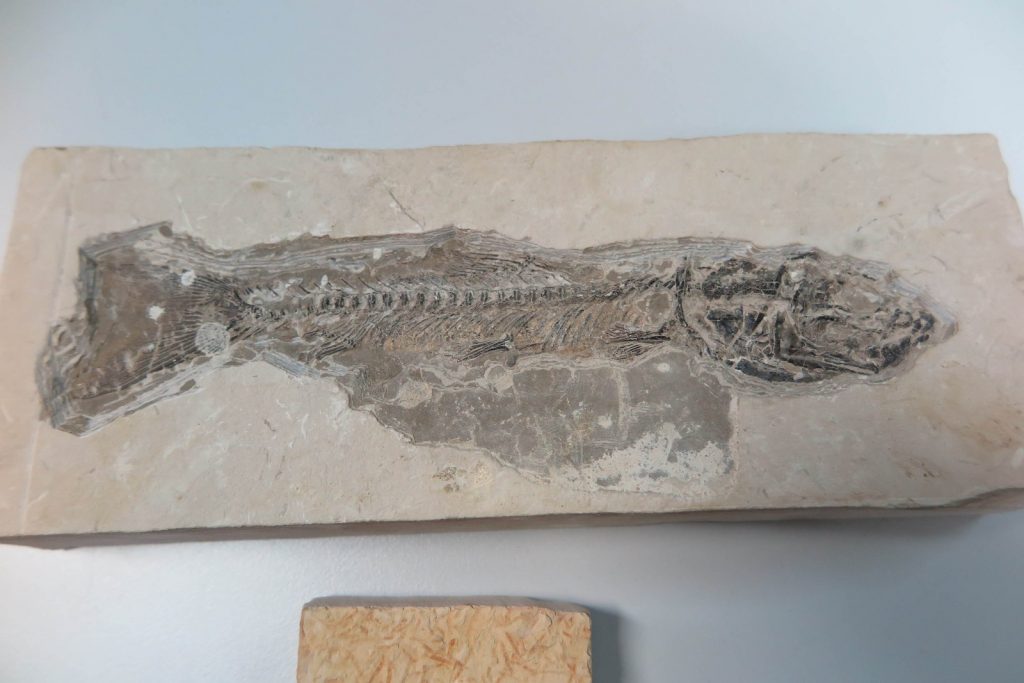
Dastilbe crandalli, a freshwater fish that lived from 96 to 113 million years ago.
Dastilbe crandalli, a freshwater fish that lived from 96 to 113 million years ago. (Photo internet reproduction/G1)
One-stop reference
Company Intelligence
Every listed company in Latin America — financials, ownership and structure for 1,450+ companies across 26 exchanges, in one place.
Browse the directory →
RT
Ask Rio Times
This story and the bigger picture.
Open the full Ask Rio Times →

Introducing themselves as tourists, members of the G1 team traveled to points of sale where the fossils are found. In one of the mines, a fossil of a Dastilbe crandalli, a freshwater fish that lived from 96 to 113 million years ago, was bought for only R$20. The purchase also yielded the gift of a Heteroptera (water cockroach).

In Santana do Cariri, a man was caught showing what might have been a dinosaur bone on his floor. “This here’s a joint, there’s more on another rock,” he explained.

A local resident, he was clearly aware of the illegality of the sale of fossils for business. “If you take a rock out of here and market it, you’ll get in trouble,” he cautioned.

On the highway connecting Santana do Cariri to Nova Olinda, several mines are quarrying laminated limestone. Before arriving at one of them, an unidentified resident admits that the fossilized stones are abundant in the region, but the Federal Police inspect it.

According to him, whoever finds a fossil keeps it secret. “The employees (of the mines) keep quiet when they find them. They pass a message to a guy here; he comes, prices it, then another one prices it, and they end up taking it. Selling is forbidden. It’s expensive, depending on the piece. The guy often finds caimans and pterosaurs,” he confirms.

At the Idemar Mine, the team identified themselves as tourists who wanted to take a “souvenir” home and asked if there was any “stone” — as the locals usually call it — available.

Quickly, an employee escorted the team to another room, where there were several lockers. As soon as everyone came in, the man pointed at a fossil.

“This isn’t mine, but it’s rare. Researchers go crazy when they see it. Every other year, you find one. I’ve worked here for ten years. It’s been a long time since I’ve seen this one,” he says, after showing a fish in his hands.
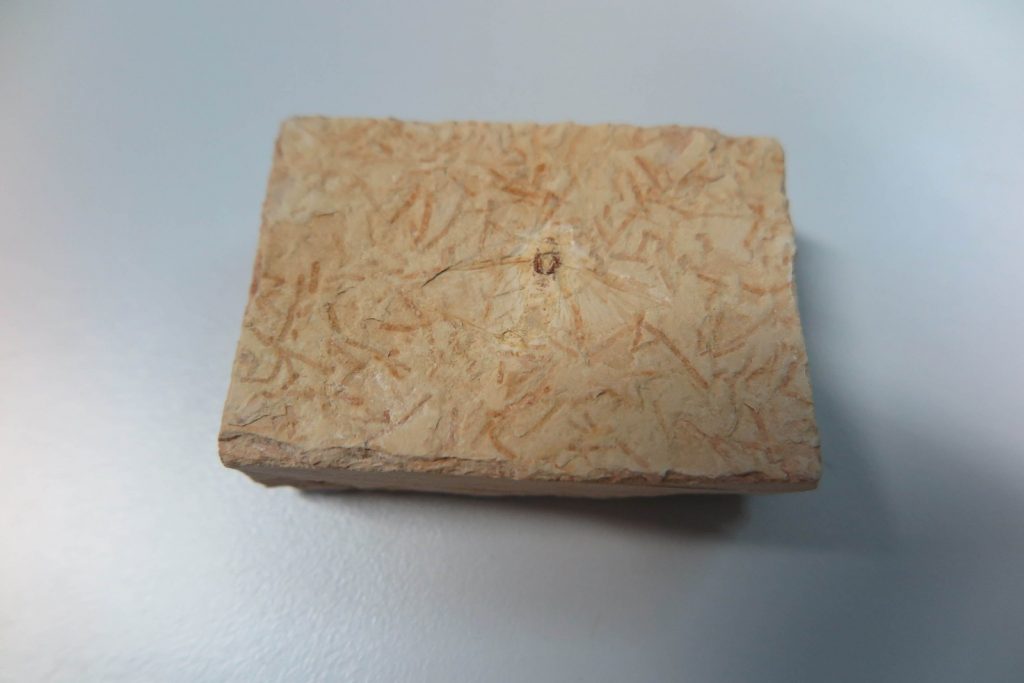
Heteroptera, also known as water cockroach.
Heteroptera, also known as water cockroach. (Photo internet reproduction/G1)

For only R$20, the team purchased another piece identified as a water cockroach. After buying the fossils, the material collected in Nova Olinda was delivered to the Palaeontology Laboratory of the Regional University of Cariri (URCA).

Over the past three weeks, the reporting team has also tried to reach the Federal Police precinct in Juazeiro do Norte, Ceará, by phone. Questions were sent by e-mail, and a reporter visited the facility, but was unable to speak with detective Josefa Maria Lourenço who, through the secretaries, said she was “very busy.”

In Brazil, fossils are federal government property, and extraction depends on an authorization from the National Mining Agency.

This article was produced by The Rio Times’ automated newsroom system. How we use AI · Report an error

Read More from The Rio Times

The Rio Times · Power Map
See who really holds power in Latin America
Click to open the Power Map

Rotate for Best Experience

This report is optimized for landscape viewing. Rotate your phone for the full experience.