IBOV 166,934.20 ▼ 0.10% IPSA 11,042.67 ▲ 0.39% IPC MEX 64,397.45 ▼ 0.66% MERVAL 2,947,349 ▼ 1.77% COLCAP 2,452.46 ▲ 0.84% BVL PERÚ 58,104.31 ▲ 0.40% USD/BRL5.21▼ 0.19% USD/MXN17.00▼ 0.13% USD/CLP914.45▼ 0.02% USD/COP3,131▼ 0.32% USD/PEN3.36▼ 0.23% USD/ARS1,488▼ 0.02% USD/UYU40.33— 0.00% USD/PYG5,984— 0.00% USD/BOB11.54— 0.00% USD/DOP58.31▼ 0.24% USD/CRC446.12— 0.00% USD/GTQ7.62— 0.00% USD/HNL26.79— 0.00% USD/NIO36.62— 0.00% USD/VES770.61▼ 0.13% USD/PAB1.00— 0.00% USD/BZD2.00— 0.00% USD/JMD 157.28 — 0.00% USD/TTD6.70— 0.00% EUR/BRL6.04▲ 0.74% BRENT 88.88 ▼ 0.03% WTI 83.11 ▼ 0.11% IRON ORE 161.91 — — COPPER 6.61 ▲ 0.03% GOLD 4,461 ▲ 1.78% SILVER 65.59 ▲ 1.26% SOY 1,184 ▲ 3.20% CORN 480.50 ▲ 10.02% WHEAT 655.00 ▲ 3.93% COFFEE 317.25 ▼ 5.51% SUGAR 16.43 ▼ 1.79% ORANGE JUICE 138.55 ▼ 0.47% COTTON 85.03 ▲ 2.33% COCOA 5,719 ▲ 3.18% BEEF 223.60 ▼ 3.93% CATTLE 339.10 ▼ 3.16% LITHIUM 75.20 ▲ 1.47% PETR4 41.64 ▼ 0.05% VALE3 72.97 ▲ 0.83% ITUB4 38.60 ▼ 1.03% BBDC4 16.85 ▲ 0.36% ABEV3 14.89 ▼ 0.80% BBAS3 19.37 ▲ 0.47% B3SA3 14.26 ▼ 0.21% WEGE3 47.59 ▲ 0.49% PRIO3 59.14 ▼ 0.19% SUZB3 41.33 ▲ 2.35% RENT3 34.68 ▼ 0.09% AZZA3 15.89 ▼ 2.63% CSAN3 3.22 ▼ 1.83% RAIZ4 0.25 — 0.00% PCAR3 2.75 ▼ 0.36% GMAT3 3.65 ▼ 1.08% PSSA3 48.13 ▼ 0.54% CVCB3 1.33 ▼ 2.92% POSI3 3.36 ▲ 2.44% SLCE3 13.34 ▲ 0.30% NATU3 8.14 ▼ 0.73% IBOV 166,934.20 ▼ 0.10% IPSA 11,042.67 ▲ 0.39% IPC MEX 64,397.45 ▼ 0.66% MERVAL 2,947,349 ▼ 1.77% COLCAP 2,452.46 ▲ 0.84% BVL PERÚ 58,104.31 ▲ 0.40% USD/BRL 5.16 ▲ 0.01% USD/MXN 17.06 ▼ 0.24% USD/CLP 913.98 ▲ 0.04% USD/COP 3,140 ▲ 0.03% USD/PEN 3.36 ▼ 0.66% USD/ARS 1,493 ▲ 0.10% USD/UYU 40.27 ▲ 1.24% USD/PYG 5,939 ▲ 1.68% USD/BOB 11.64 ▼ 0.76% USD/DOP 58.34 ▲ 1.25% USD/CRC 445.92 ▲ 0.89% USD/GTQ 7.62 ▲ 2.21% USD/HNL 26.79 ▲ 1.57% USD/NIO 36.62 ▲ 0.69% USD/VES 762.44 ▼ 0.13% USD/PAB 1.00 — 0.00% USD/BZD 2.00 — 0.00% USD/JMD 157.28 — 0.00% USD/TTD 6.70 ▲ 0.61% EUR/BRL 5.95 ▲ 1.01% BRENT 88.88 ▼ 0.03% WTI 83.11 ▼ 0.11% IRON ORE 161.91 — — COPPER 6.61 ▲ 0.03% GOLD 4,461 ▲ 1.78% SILVER 65.59 ▲ 1.26% SOY 1,184 ▲ 3.20% CORN 480.50 ▲ 10.02% WHEAT 655.00 ▲ 3.93% COFFEE 317.25 ▼ 5.51% SUGAR 16.43 ▼ 1.79% ORANGE JUICE 138.55 ▼ 0.47% COTTON 85.03 ▲ 2.33% COCOA 5,719 ▲ 3.18% BEEF 223.60 ▼ 3.93% CATTLE 339.10 ▼ 3.16% LITHIUM 75.20 ▲ 1.47% PETR4 41.64 ▼ 0.05% VALE3 72.97 ▲ 0.83% ITUB4 38.60 ▼ 1.03% BBDC4 16.85 ▲ 0.36% ABEV3 14.89 ▼ 0.80% BBAS3 19.37 ▲ 0.47% B3SA3 14.26 ▼ 0.21% WEGE3 47.59 ▲ 0.49% PRIO3 59.14 ▼ 0.19% SUZB3 41.33 ▲ 2.35% RENT3 34.68 ▼ 0.09% AZZA3 15.89 ▼ 2.63% CSAN3 3.22 ▼ 1.83% RAIZ4 0.25 — 0.00% PCAR3 2.75 ▼ 0.36% GMAT3 3.65 ▼ 1.08% PSSA3 48.13 ▼ 0.54% CVCB3 1.33 ▼ 2.92% POSI3 3.36 ▲ 2.44% SLCE3 13.34 ▲ 0.30% NATU3 8.14 ▼ 0.73%
since 2009
Monday, August 17, 2026

Howler monkeys return to Rio de Janeiro’s Tijuca National Park after 200 Years

By · July 9, 2021 · 3 min read

Daily Brief

The morning intel from across Latin America. Free.

By subscribing you agree to our privacy policy. We never share your email.

RIO DE JANEIRO, BRAZIL – After approximately two centuries of absence, breeding Brown Howler Monkeys have been confirmed in Tijuca National Park.

Biologists spotted a breeding pair with three young, which is an extremely positive sign for the reintroduction effort that has been going on since 2015.

Howler Monkeys can live near humans, but they were driven to extinction through hunting and habitat loss in Rio de Janeiro. The two parents were released into the park separately and must have met each other accidentally.

The offspring of this chance meeting could be the first step to a more robust population residing in the park in the future. The family of Howlers was found by biologists of the Federal University of Rio de Janeiro, and they say this proves that the forest is capable of supporting these creatures.

Howler monkey. (Photo internet reproduction)
One-stop reference
Company Intelligence
Every listed company in Latin America — financials, ownership and structure for 1,450+ companies across 26 exchanges, in one place.
Browse the directory →
RT
Ask Rio Times
17 years of Latin America reporting, on demand.
Open the full Ask Rio Times →

Howler Monkeys are among the larger South American monkeys and are noted for their loud call, which they produce using a special larynx modification and chest cavity. Unlike most American monkeys, leaves make up a huge part of their diet.

The Brown Howler (Alouatta guariba) exists along Brazil’s southeast coast from Bahia to Rio Grande do Sul and in nearby regions of Argentina.

Its native home is the Atlantic Rainforest. Due to the destruction and fragmentation of the habitat, the animal is considered vulnerable, though fortunately not at any immediate risk of complete extinction. However, local extinctions are possible.
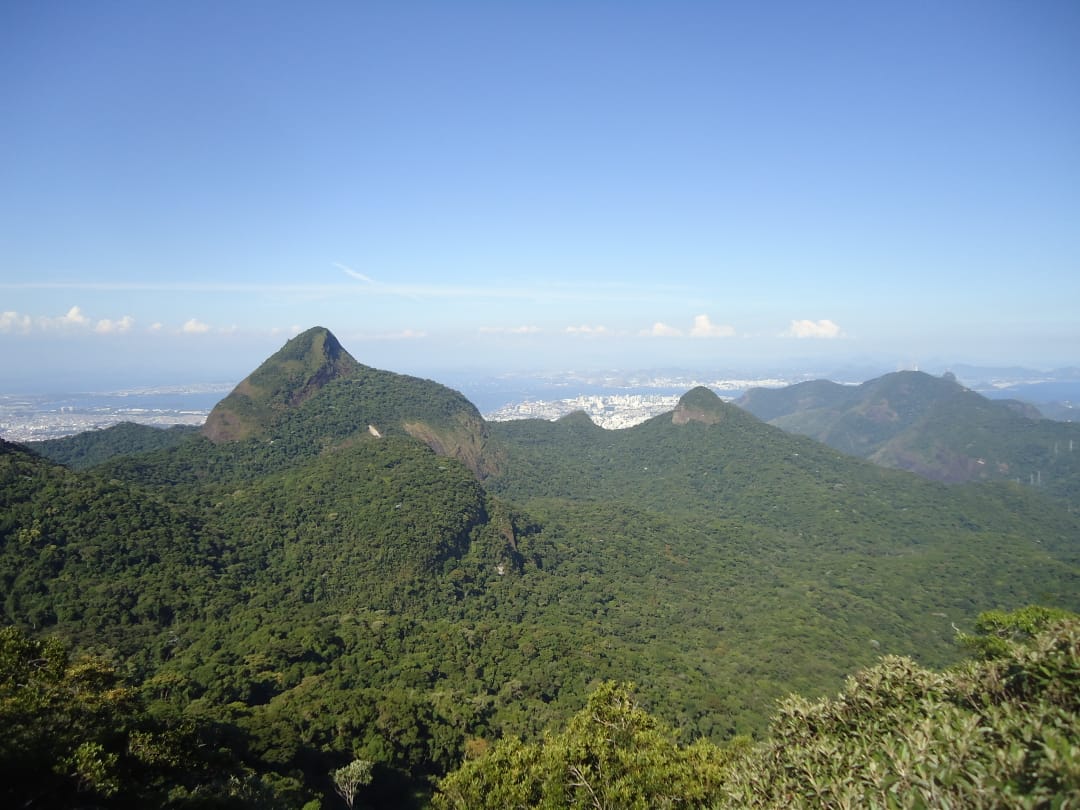
Tijuca National Park, Rio de Janeiro. (Photo internet reproduction)

This is partly due to the monkey’s particular vulnerability to yellow fever, an outbreak of which severely affected the Argentinean population in 2008-9.

Large numbers of dead Howlers are often a sign that yellow fever is in the region, and because of this, some local communities would hunt and kill the monkeys as they believed they spread the illness. In fact, the 2017 outbreak of yellow fever in Rio de Janeiro hampered reintroduction efforts.

However, their death in such larage numbers means that Howlers are not a significant spreader of the disease. In any case, vaccination is a simpler and much more effective defense.
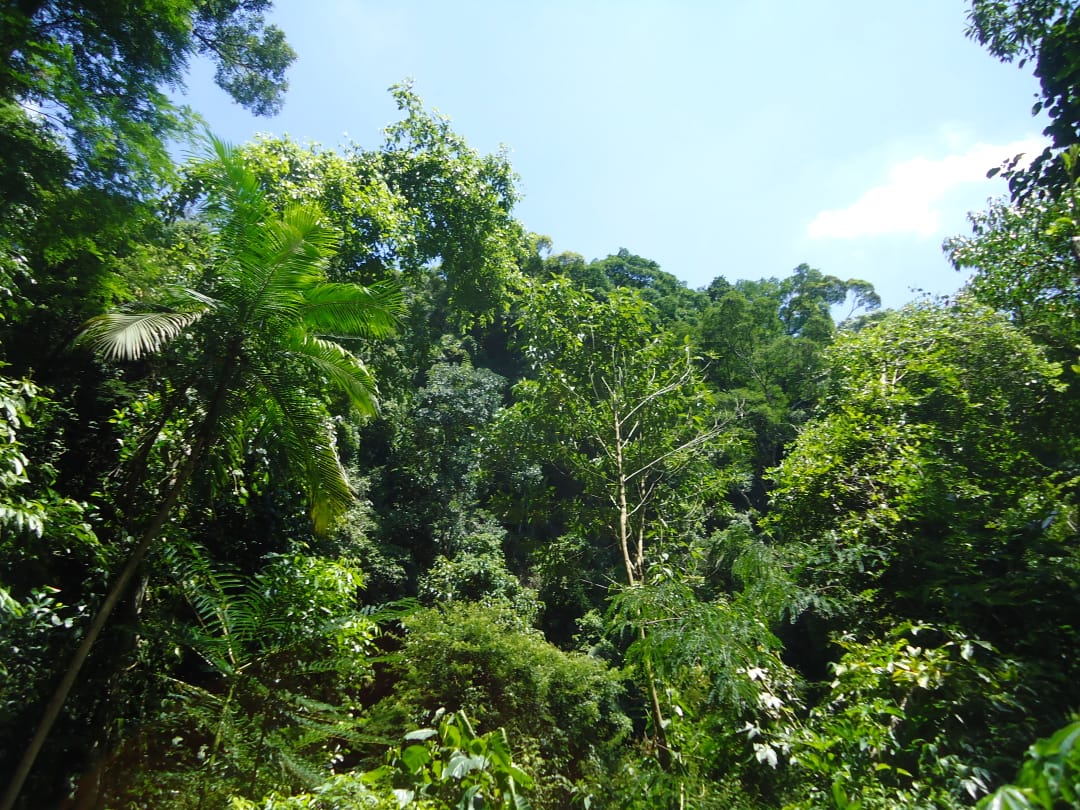
Tijuca National Park, Rio de Janeiro. (Photo internet reproduction)

Despite seeming natural, Tijuca Forest was largely replanted to protect the city’s water supply, so the ability of the animal to adapt to these changes is important.

On the other hand, the Howlers themselves could be vital to the continued vitality of Tijuca Forest, as they play an important role in spreading the seeds of native trees.

In recent years, there have been concerted attempts to protect and increase the biodiversity of Tijuca and other protected areas in the city. Replanting of native trees has taken place recently in Pedra Branca, and tapirs were reintroduced elsewhere in the state.

In Tijuca itself, tortoises and agoutis have been successfully released. Poaching and habitat destruction from illegal developments, both frequently controlled by militias, threaten Rio’s wildlife. Still, the Howler story is hopeful news for the park; may there be more like it in the coming years.

Read More from The Rio Times

The Rio Times · Power Map
See who really holds power in Latin America
Click to open the Power Map

Rotate for Best Experience

This report is optimized for landscape viewing. Rotate your phone for the full experience.