Researchers and Society Launch University of the Sea in Rio de Janeiro
RIO DE JANEIRO, BRAZIL – An initiative of public and private universities, fishing associations and social movements will join researchers and workers in the enhancement of knowledge and socio-environmental development of Guanabara Bay. The University of the Sea project was launched yesterday, November 15th, during the Paquetá Literary Festival (FLIPA), with the goal of establishing a Center for Marine and Oceanographic Research in the archipelago.

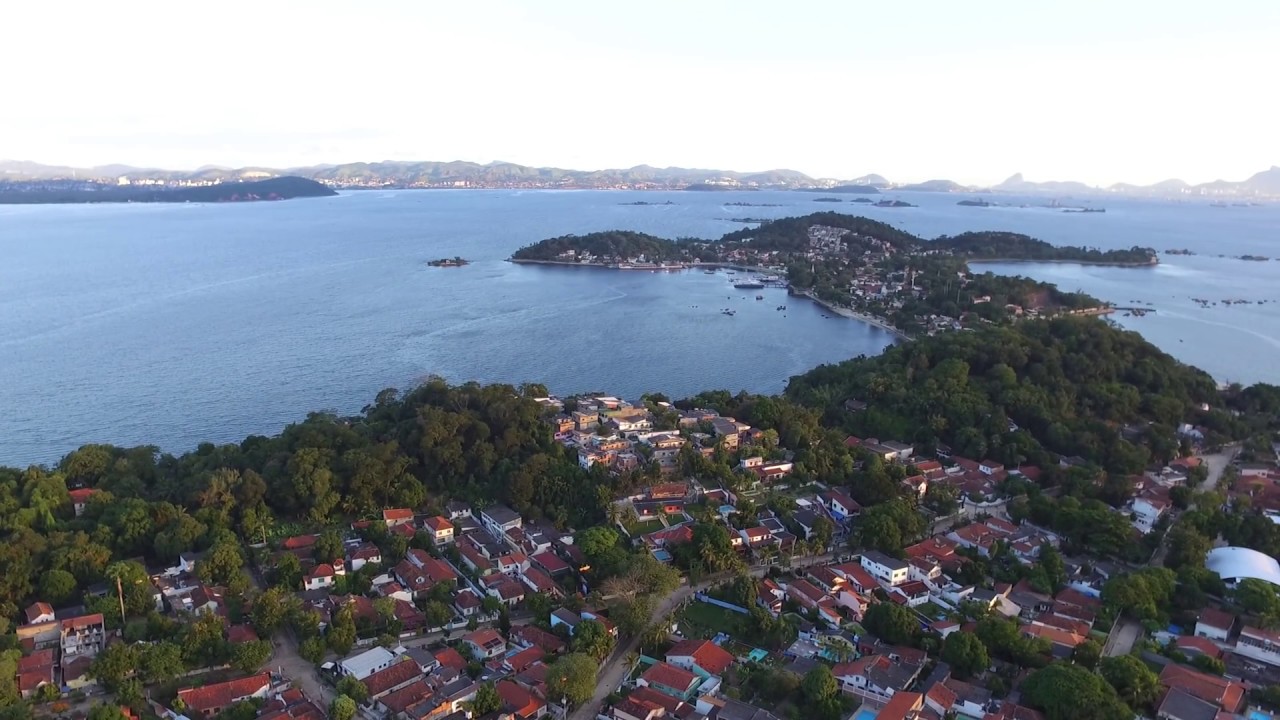
The Paquetá Archipelago will be the advanced research campus, which includes Brocoió Island at the bottom of Guanabara Bay. The project of the Paquetá Residents Association (Morena), the Baía Viva (Living Bay) Movement, and the School of Oceanography of the State University of Rio de Janeiro (UERJ) involve 23 departments and university laboratories, as well as supporting institutions such as Fiocruz.
Sérgio Ricardo, founder of the Baía Viva Movement and environmentalist, explains that the project was designed to bring academic production and public policies closer together. According to him, the environmental crisis in Rio de Janeiro and the destruction of Guanabara Bay result from the lack of dialogue between the government and the universities.
“The universities have been studying Guanabara Bay for decades and have scarcely had the opportunity to cooperate in the development of public policies. That is the goal of this conciliation, so that we may monitor bioindicators, for one. Now there is a chance of restarting basic sanitation works. We have to assess what benefits these works are providing or if these works are only wasting billions of Brazilian reais”, explains the environmentalist.
Socio-environmental tourism
Ricardo points out that the researchers intend to use existing government facilities in Paquetá, some of which are abandoned, such as the Del Rei Manor House and the Brocoió Palace, which belongs to the state government. Another goal, he said, is for the University of the Sea to train local workers and contribute to the development of socio-environmental tourism, a concept of the city and the Guanabara Bay.
“We are seeking to establish another economy at the bottom of Guanabara Bay. We cannot let this unlimited expansion of the oil industry, which is already threatening fishing, threatening the grey porpoise, from advancing throughout the territory and the waters of Guanabara Bay. So we need to put something in place,” says Ricardo.
The University of the Sea will be managed by UERJ (Rio de Janeiro State University) and will focus on teaching, research and university extension, with teacher and technical training for artisanal fishing communities, with courses in areas such as the environment, tourism, fishing, and aquaculture. The organizers propose that the funding be provided by public and private sources, such as resources from public funds or financial compensation from the Terms of Conduct Adjustment (TAC) signed with large companies located in Guanabara Bay.
Source: Agência Brasil
More: Brazil news in English, every day from The Rio Times.
This article was produced by The Rio Times’ automated newsroom system. How we use AI · Report an error · Editorial responsibility: Matthias Camenzind, Editor-in-Chief
Living in or visiting Rio de Janeiro? See this month's events and our Rio de Janeiro city guide with rents, safety and upcoming concerts.