New conservation areas considered in Rio de Janeiro’s West Zone
RIO DE JANEIRO, BRAZIL – The lowlands behind Barra de Tijuca, including parts of Vargem, Recreio, and Jacarepaguá neighborhoods, are undergoing analysis and consultation for the possible creation of two new conservation units (UCs) by the Municipal Secretariat for the Environment.
Unlike the highlands nearby, where all lands above 100 meters are part of Pedra Branca State Park, these regions are not fully protected. They have been subject to increasing development over the years.

This region comprises the largest remaining area of swamp and marshland in what was described as the “sertão carioca” (Rio Backlands) by author Armando Magalhães Corrêa in the 1930s, so large and wild was the region of what is now Barra de Tijuca and Jacarepaguá.
Within this region can be found, in addition to wetland habitats, restinga forest (forest growing on sand banks), mangrove forests, and traditional tropical rainforest similar to that found in the mountains of the city. These habitats contain many rare species, including some that are threatened.
In addition to the preservation of the area in itself, the proximity of the site to Pedra Branca State Park is significant, as linking up ecological islands is a highly effective and efficient way of getting the maximum conservation value out of separate areas as populations benefit from being able to move between pockets of wilderness.
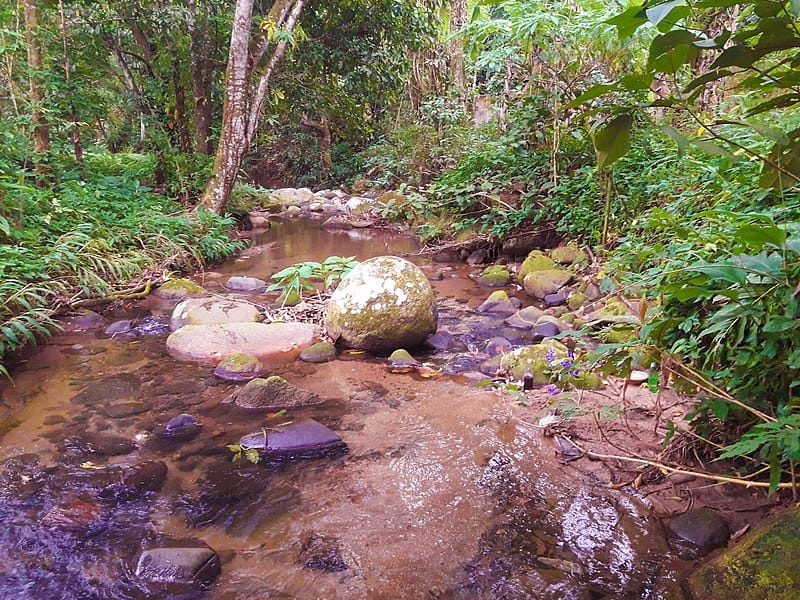
Fragmentation is already significant in the region but ensuring it does not continue a worthwhile goal.
In tandem with projects such as reforestation in Pedra Branca and a wildlife corridor from Pedra Branca to Tijuca, as discussed previously in the Rio Times, these types of actions added up can increase the overall health of this vital area of Atlantic Rainforest and connected ecosystems.
However, despite the tremendous natural richness of the area, the problems with conservation are severe as the area lies in a prime location for development in a city where there is always pressure on housing, and the effects of urban proximity are almost impossible to avoid.
The proposed solution is to have a core Wildlife Refuge that is wholly protected and a larger Sertão Carioca Environmental Protection area (about Corrêa’s book) where human activities and occupation are permitted but controlled.
However, some have criticized these plans as just more bureaucracy, saying that there is already sufficient legislation to protect and adequately develop the area but that it is not applied or is flouted by criminal gangs involved in construction. Again, the perpetual question of legal protection versus actual implementation rears its ugly head in these sorts of debates.
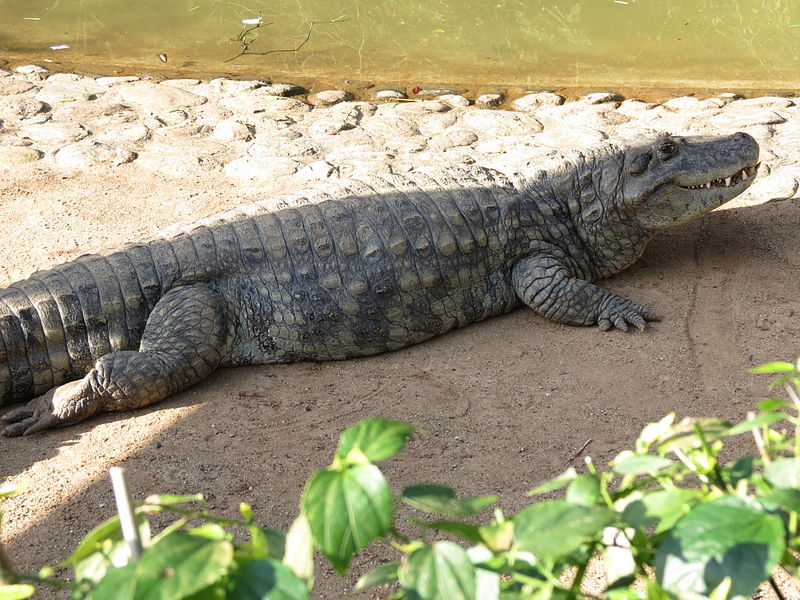
For those who wish to see a well-preserved and accessible (though relatively small and not very wild) example of the type of this type of habitat, Bosque de Barra near Barra Shopping Mall contains original areas of swamp and restinga woodland, complete with crocodiles and rare waterfowl.
A public consultation was held in August, and general opinions were collected. Residents of Vargem Grande are in favor of the proposal, as long as there are no expulsions of residents. Further technical analysis will be made, after which a final proposal will be drawn up and sent to the mayor.
Editorial responsibility: Matthias Camenzind, Editor-in-Chief · Editorial standards · Report an error
Living in or visiting Rio de Janeiro? See this month's events and our Rio de Janeiro city guide with rents, safety and upcoming concerts.