Ocean reclaims Rio de Janeiro beach town Atafona; waters advance and residents retreat
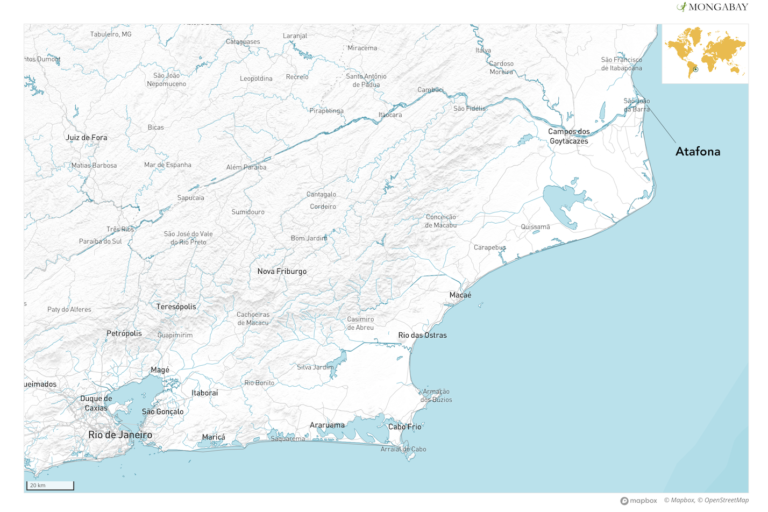
RIO DE JANEIRO, BRAZIL – Over the last few decades Atafona, a small seaside town located in the North of Rio de Janeiro State, has been suffering an extreme version of the concerning global problem coastal erosion.
While rising global sea levels due to climate change are already causing problems and will do so even more over the following century, Atafona’s issues are more local.

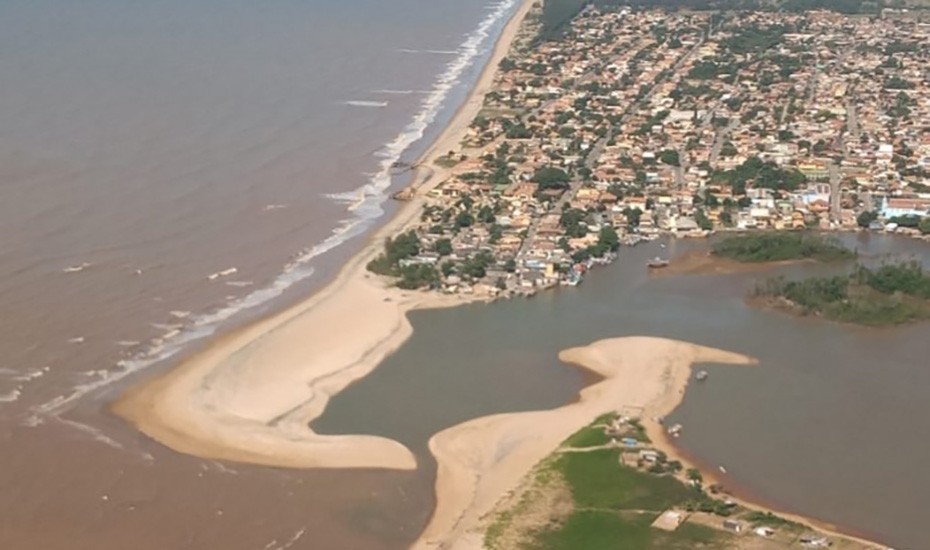
The root of the problem goes back to the 1950s when increasing quantities of water were diverted from the Paraíba do Sul river, mostly to provide water to growing urban areas such as Campos. The reduced flow rate of the river is an ecological problem in itself.
Still, it is also the main reason for Atafona’s problems, as the force of the water entering the sea had kept the erosive powers of the Atlantic at bay.
In addition to this, less water means less deposition of sediment, which would help maintain the sandy coastline. The destruction of mangroves in the region has also left the town more vulnerable. Climate change may have contributed to the issue already, but more significantly, the existing problems will only worsen as time passes.
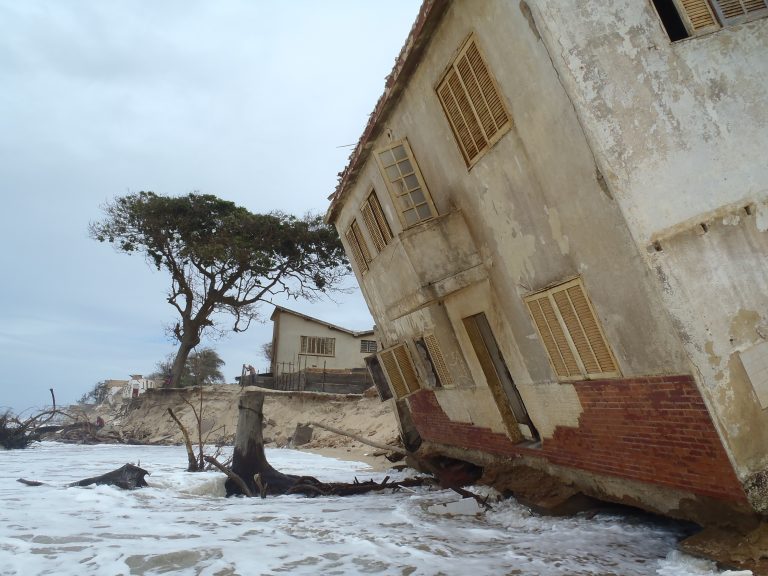
The sea advances at a shocking average of 5 meters per year, and to date, some eight blocks containing over 500 houses and other structures have been swallowed by the sea. Some residents whose homes now overlook the ocean remember when they could have to walk some distance through other streets and across a large stretch of beach to get to the water.
This, of course, means that many locals have lost their homes and suffered great financial hardship as a result. For some, this meant losing an important family home with great sentimental importance; for others, it meant losing a recent investment: the advance of the waters has been so fast that some people have had to halt costly construction or renovation projects that they began without being aware how quickly coastal erosion would render the work useless.
Atafona is part of São João da Barra municipality, a region first settled in the early 1600s by fishermen from Cabo Frio. It later became an important commercial port and then a seaside resort: a popular beach resort for people from Campos de Goytacazes, the regional center.
Although the region gains money from petroleum royalties, and there have been several plans to contain the advance of the waters, none have actually been implemented. Although the area has been studied extensively so far, it seems that there is a lack of will to pay large sums of money to protect a relatively small population area.
The local authorities have instead focused on providing rent relief to affected families. Further plans are being considered, one involving increasing the area of the beach and the other two including seawalls.
Whether some permanent solution will be found remains to be seen. It seems inevitable that more people will lose their homes before any problems are solved in Atafona. However, with rising sea levels, this doesn’t seem easy to imagine.
These types of questions and cost-benefit trade-offs will increasingly become part of the 21st century as such problems are faced elsewhere in Brazil and across the globe.
More: Brazil news in English, every day from The Rio Times.
Editorial responsibility: Matthias Camenzind, Editor-in-Chief · Editorial standards · Report an error