People Keep Disappearing in Rio de Janeiro – Thousands Go Missing Each Year
RIO DE JANEIRO, BRAZIL – The shocking number points to a long-ignored problem in the state. Between just January and August of 2019, 1427 people have been reported missing in the state’s capital city alone.
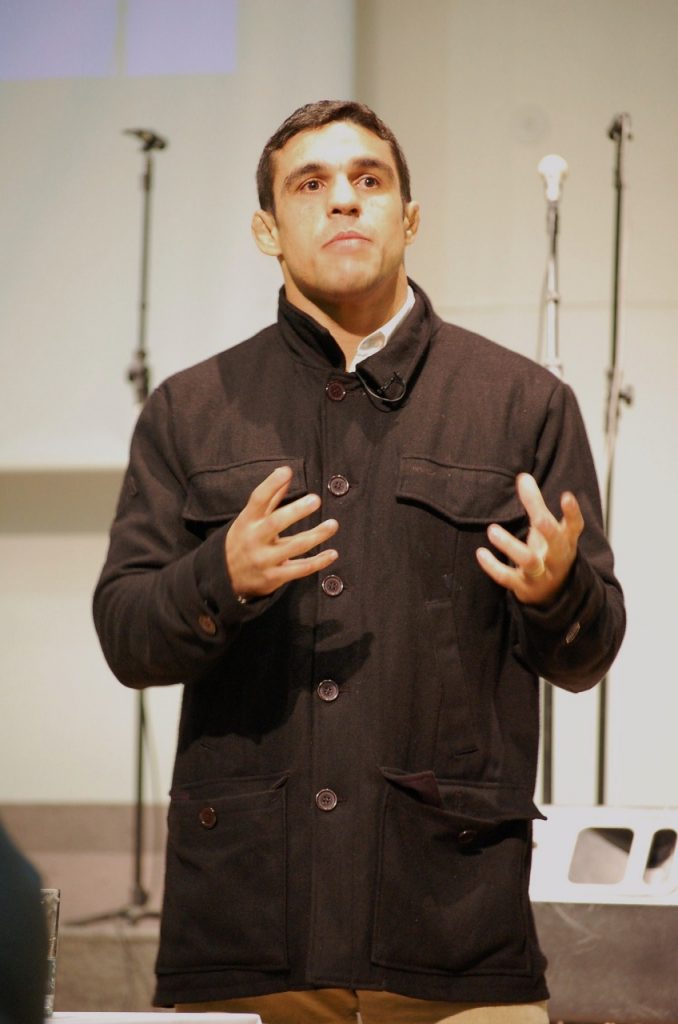
One of the most famous cases is the 2004 disappearance of Prisila Belfort – sister to legendary Brazilian UFC champion Victor Belfort – who disappeared without a trace after leaving for lunch in Rio de Janeiro’s Centro district.

But the vast majority of cases are not as heavily publicized as Priscilla’s. For many families, they must take on the responsibility of pursuing the situation themselves.
“This is an invisible issue for those searching for relatives. It ends up being very personal for families with missing loved ones. We want to institutionalize this fight,” said Bruno Dauaire, a state legislator during an audience of Rio’s Committee for Public Security on Monday.
Dauaire has pushed for greater funding and a parliamentary inquiry to tackle the problem. Some of the ideas the commission is investigation include developing a system similar to America’s “Amber Alert,” which advises the public when individuals are reported missing, as well as greater integration between the different public offices that deal with missing persons.
Javita Belfort, the mother of Prisila Belfort, is the coordinator of the state’s missing persons bureau, which was created in January. Javita said a large portion of her job is to be there for the families of the missing, giving support, and providing a sense of dignity to the case.
“I have a daughter who has been missing for 15 years. For the first five, I was in a bad place. But after some time, I was able to recover and bring visibility to these cases that are unknown, misunderstood, and unrecognized,” Javita said Monday.
Rio’s outlying northern suburbs, called the Baixada Fluminense, is the region with the highest number of missing people, averaging about 15 per day. The area has become a conflict hot spot due to an ongoing war between drug cartels and mafia-like militias that are fighting for domination of the region.
A common practice for militias is to move their victim’s bodies to so-called “clandestine cemeteries” – essentially remote dumping sites – to draw less attention to their crimes. The practice is similar to what Brazil’s DOI/CODI – the secret police – would do to dispose of bodies of political dissidents during the country’s military dictatorship. The practice makes it difficult to know if an individual is dead or missing, and often by the time authorities find the bodies, they are so deteriorated that identification is extremely difficult.
On average, authorities end up burying about 1000 bodies per year in paupers’ graves because the state cannot identify the corpses.
More: Brazil news in English, every day from The Rio Times.
Editorial responsibility: Matthias Camenzind, Editor-in-Chief · Editorial standards · Report an error
Living in or visiting Rio de Janeiro? See this month's events and our Rio de Janeiro city guide with rents, safety and upcoming concerts.