Rio Government Lowers Aviation Fuel Tax to Attract Tourist Flights
RIO DE JANEIRO, BRAZIL – The governor of Rio de Janeiro, Wilson Witzel, signed on Tuesday, November 12th, a decree reducing the rates of the Tax on the Circulation of Goods and Services (ICMS) levied on kerosene aviation fuel (QAV). The measure comes into force in December and seeks to attract new airlines to the state, and also benefit companies already operating in Rio, as long as they commit to increasing the number of seats offered per week.

According to the Brazilian Association of Airline Companies (ABEAR), the fuel represents up to 32 percent of airlines’ costs. The QAV is currently subject to an ICMS of 12 percent, through which the government collects approximately R$160 million (US$40 million) per year.
The Secretary of Finance of the state of Rio de Janeiro, Luiz Claudio Rodrigues Carvalho, believes that the measure will not result in loss of revenue, since it will require an increase in the supply of flights that, as a result, will also increase the use of QAV and the total paid in tax on this use.
“There is also a gain in indirect revenue, which is difficult to be measured, with the increase in airport traffic, consumption in bars and restaurants in the city and even in airports. Therefore, there is an increase in business activity,” adds the secretary. “The plan is for us to review this in a year”.
Otavio Leite, the state secretary of tourism, believes that the tax reduction could increase the number of tourists in the city by up to 20 percent next year, including international and Brazilian visitors.
“Rio de Janeiro welcomes 2.2 million international tourists (per year), which is a very small number for the potential we have, whether in the capital or in the interior. These measures will provide a greater number of flights, which gives us great hope of increasing the occupancy rate of hotels, the flow in restaurants and the number of tourist spots that can be visited. In short, it is a very important step”.
Rates
The decree provides for the phased reduction of ICMS rates for airlines that operate or will start operating at Tom Jobim International Airport, also known as Galeão.
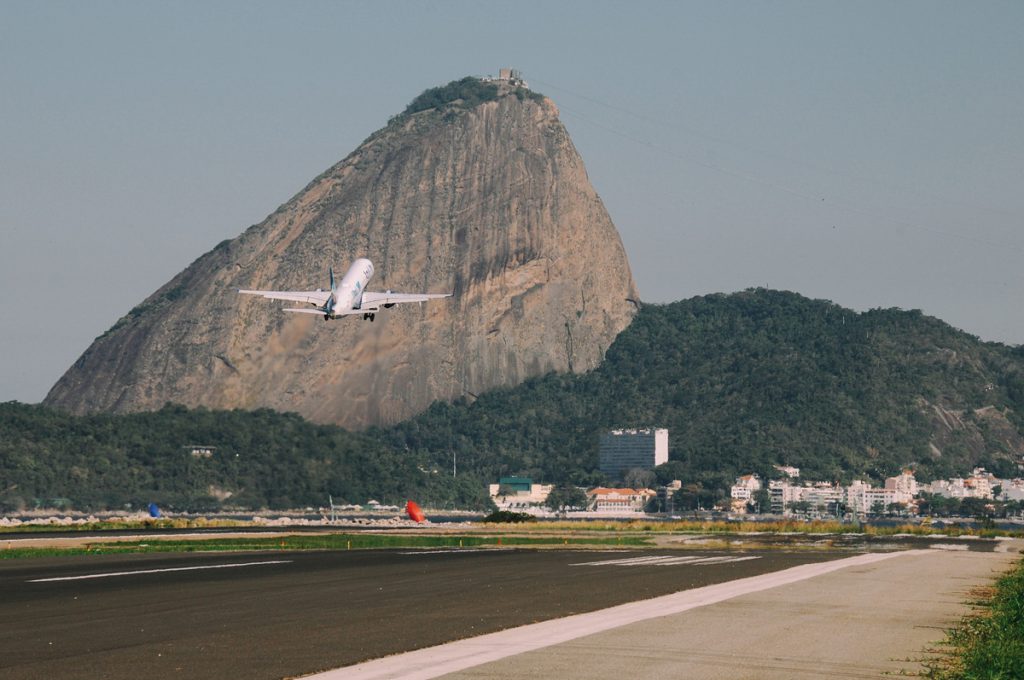
Companies offering 12,000 to 40,000 seats per week at the airport will pay a ten percent tax. Between 40,000 and 60,000 seats, the tax is reduced to nine percent, and from 60,000 to 90,000 to eight percent. The lowest range of ICMS will be seven percent, for companies operating over 90,000 seats per week.
The companies already flying in Galeão will need to increase the supply of seats by 15 percent to have access to this reduction. The calculation will be based on the numbers offered in the months of June and July this year. The Getulio Vargas Foundation was hired by the state government to check the increased seats and the rates that should be applied in each case.
Those new foreign airlines coming to Galeão will benefit from the option of paying the seven percent tax rate directly, as long as they have their headquarters in Rio de Janeiro and include the city in at least 30 percent of their flights in Brazil. This rate will be in force for five years and, thereafter, the airlines will be subject to the same rates as others, according to the number of seats.
In the case of airports in the interior of the state and at Jacarepaguá in Rio’s west zone, the tax will be seven percent for all airlines, the same percentage that will be paid by cargo planes and by planes with up to 12 passengers. The Secretary of Finance adds that negotiations have been conducted between cargo airlines and large companies in the state so that new routes can be announced in the coming days.
As for Santos Dumont Airport, there will be no reduction in rates. The Secretary of Finance explains that the airport, located in downtown Rio, already has high demand from airlines for vacancies to offer flights and needs no incentive.
Gol, the Brazilian airline offering the most seats in Galeão, should increase this number by 17 percent in 2020, thus earning the seven percent rate of ICMS. The airline’s president, Paulo Kakinoff, told journalists that the increase will take place in 17 destinations already operated by Gol.
“We first worked to establish what would be our increase in supply in the domestic market on the routes we now operate. Now, we are starting to look into the possibilities of increasing our international offer, both regarding routes already operated and to new destinations, and the same for regional routes through our partners”, said the executive.
Source: Agência Brasil
More: Brazil news in English, every day from The Rio Times.
This article was produced by The Rio Times’ automated newsroom system. How we use AI · Report an error · Editorial responsibility: Matthias Camenzind, Editor-in-Chief
Living in or visiting Rio de Janeiro? See this month's events and our Rio de Janeiro city guide with rents, safety and upcoming concerts.