IBOV 171,031.73 ▲ 1.85% IPSA 11,338.38 ▲ 0.89% IPC MEX 65,729.18 ▲ 2.14% MERVAL 2,913,184 ▲ 1.30% COLCAP 2,459.23 ▲ 0.61% BVL PERÚ 58,698.13 ▲ 2.60% USD/BRL5.14— 0.00% USD/MXN16.93▲ 0.13% USD/CLP914.28— 0.00% USD/COP3,044▲ 0.05% USD/PEN3.36▲ 0.05% USD/ARS1,499▼ 0.03% USD/UYU40.20— 0.00% USD/PYG5,996— 0.00% USD/BOB11.43— 0.00% USD/DOP58.61▼ 0.07% USD/CRC450.05— 0.00% USD/GTQ7.62— 0.00% USD/HNL26.81— 0.00% USD/NIO36.62— 0.00% USD/VES782.70▼ 0.13% USD/PAB1.00— 0.00% USD/BZD2.00— 0.00% USD/JMD 157.28 — 0.00% USD/TTD6.71— 0.00% EUR/BRL6.00▲ 0.03% BRENT 88.88 ▼ 0.03% WTI 83.11 ▼ 0.11% IRON ORE 161.91 — — COPPER 6.61 ▲ 0.03% GOLD 4,461 ▲ 1.78% SILVER 65.59 ▲ 1.26% SOY 1,184 ▲ 3.20% CORN 480.50 ▲ 10.02% WHEAT 655.00 ▲ 3.93% COFFEE 317.25 ▼ 5.51% SUGAR 16.43 ▼ 1.79% ORANGE JUICE 138.55 ▼ 0.47% COTTON 85.03 ▲ 2.33% COCOA 5,719 ▲ 3.18% BEEF 223.60 ▼ 3.93% CATTLE 339.10 ▼ 3.16% LITHIUM 75.20 ▲ 1.47% PETR4 41.64 ▼ 0.05% VALE3 72.97 ▲ 0.83% ITUB4 38.60 ▼ 1.03% BBDC4 16.85 ▲ 0.36% ABEV3 14.89 ▼ 0.80% BBAS3 19.37 ▲ 0.47% B3SA3 14.26 ▼ 0.21% WEGE3 47.59 ▲ 0.49% PRIO3 59.14 ▼ 0.19% SUZB3 41.33 ▲ 2.35% RENT3 34.68 ▼ 0.09% AZZA3 15.89 ▼ 2.63% CSAN3 3.22 ▼ 1.83% RAIZ4 0.25 — 0.00% PCAR3 2.75 ▼ 0.36% GMAT3 3.65 ▼ 1.08% PSSA3 48.13 ▼ 0.54% CVCB3 1.33 ▼ 2.92% POSI3 3.36 ▲ 2.44% SLCE3 13.34 ▲ 0.30% NATU3 8.14 ▼ 0.73% IBOV 171,031.73 ▲ 1.85% IPSA 11,338.38 ▲ 0.89% IPC MEX 65,729.18 ▲ 2.14% MERVAL 2,913,184 ▲ 1.30% COLCAP 2,459.23 ▲ 0.61% BVL PERÚ 58,698.13 ▲ 2.60% USD/BRL 5.16 ▲ 0.01% USD/MXN 17.06 ▼ 0.24% USD/CLP 913.98 ▲ 0.04% USD/COP 3,140 ▲ 0.03% USD/PEN 3.36 ▼ 0.66% USD/ARS 1,493 ▲ 0.10% USD/UYU 40.27 ▲ 1.24% USD/PYG 5,939 ▲ 1.68% USD/BOB 11.64 ▼ 0.76% USD/DOP 58.34 ▲ 1.25% USD/CRC 445.92 ▲ 0.89% USD/GTQ 7.62 ▲ 2.21% USD/HNL 26.79 ▲ 1.57% USD/NIO 36.62 ▲ 0.69% USD/VES 762.44 ▼ 0.13% USD/PAB 1.00 — 0.00% USD/BZD 2.00 — 0.00% USD/JMD 157.28 — 0.00% USD/TTD 6.70 ▲ 0.61% EUR/BRL 5.95 ▲ 1.01% BRENT 88.88 ▼ 0.03% WTI 83.11 ▼ 0.11% IRON ORE 161.91 — — COPPER 6.61 ▲ 0.03% GOLD 4,461 ▲ 1.78% SILVER 65.59 ▲ 1.26% SOY 1,184 ▲ 3.20% CORN 480.50 ▲ 10.02% WHEAT 655.00 ▲ 3.93% COFFEE 317.25 ▼ 5.51% SUGAR 16.43 ▼ 1.79% ORANGE JUICE 138.55 ▼ 0.47% COTTON 85.03 ▲ 2.33% COCOA 5,719 ▲ 3.18% BEEF 223.60 ▼ 3.93% CATTLE 339.10 ▼ 3.16% LITHIUM 75.20 ▲ 1.47% PETR4 41.64 ▼ 0.05% VALE3 72.97 ▲ 0.83% ITUB4 38.60 ▼ 1.03% BBDC4 16.85 ▲ 0.36% ABEV3 14.89 ▼ 0.80% BBAS3 19.37 ▲ 0.47% B3SA3 14.26 ▼ 0.21% WEGE3 47.59 ▲ 0.49% PRIO3 59.14 ▼ 0.19% SUZB3 41.33 ▲ 2.35% RENT3 34.68 ▼ 0.09% AZZA3 15.89 ▼ 2.63% CSAN3 3.22 ▼ 1.83% RAIZ4 0.25 — 0.00% PCAR3 2.75 ▼ 0.36% GMAT3 3.65 ▼ 1.08% PSSA3 48.13 ▼ 0.54% CVCB3 1.33 ▼ 2.92% POSI3 3.36 ▲ 2.44% SLCE3 13.34 ▲ 0.30% NATU3 8.14 ▼ 0.73%
since 2009
Monday, August 24, 2026

Rio Lacks Insecticide to Fight Dengue, Chikungunya, and Zika

By · June 13, 2019 · 3 min read

Daily Brief

The morning intel from across Latin America. Free.

By subscribing you agree to our privacy policy. We never share your email.

By Arkady Petrov

RIO DE JANEIRO, BRAZIL – The state of Rio de Janeiro is short of insecticides used to contain adult Aedes Aegypti mosquitoes, carriers of zika, chikungunya, and dengue fever. The stabilization of the stock is dependent on the release of pesticides by the Ministry of Health, which are purchased through international bidding.
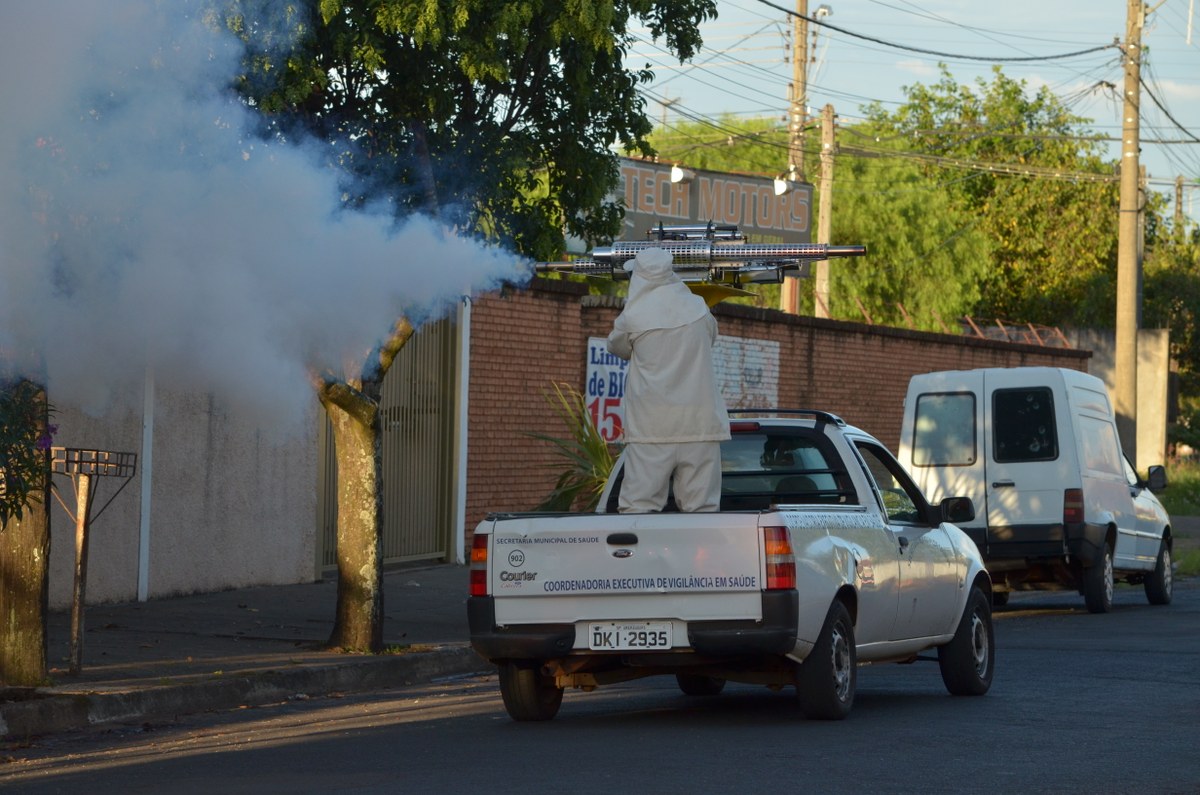
The state of Rio de Janeiro is short of insecticides used to contain adult Aedes Aegypti mosquitoes, carriers of zika, chikungunya, and dengue.
The state of Rio de Janeiro is short of insecticides used to contain adult Aedes Aegypti mosquitoes, carriers of zika, chikungunya, and dengue. (Photo internet reproduction)
One-stop reference
Company Intelligence
Every listed company in Latin America — financials, ownership and structure for 1,450+ companies across 26 exchanges, in one place.
Browse the directory →
RT
Ask Rio Times
This story and the bigger picture.
Open the full Ask Rio Times →

The information was given by the Superintendent of Epidemiological Surveillance of the State Secretariat of Health (SES), Mário Sérgio Ribeiro, during a public hearing of the Health Commission of the Legislative Assembly of the State of Rio de Janeiro (Alerj). “We hope that the number of cases will decrease with the arrival of winter so that we will not have to depend so much on insecticides,” he said.

Statistics

Ribeiro provided updated figures on arboviruses from the State Secretariat of Health. Between January and June, 4th of this year, there were 41,888 cases of chikungunya, 20,622 cases of dengue and 1,005 individuals infected by zika. In all, thirteen people died of chikungunya, ten in the municipality of Rio.

Alerj Health Committee Chair Martha Rocha (PDT) said she was concerned with the issue. “We have an alarming diagnosis. There have already been 13 deaths from chikungunya this year, and experts still say that the disease is not fully known. There are also constant misdiagnoses, and now there is news of insecticide depletion. I foresee challenging times in the state health sector,” she said.

Federal Deputy Márcio Gualberto said a better awareness campaign was needed. “It is necessary to change the culture so that the population takes preventive measures against the mosquito inside the house, by not keeping stagnant water, among other steps. I also think that there should be greater integration between municipal, state and federal public powers to overcome epidemics,” he said.
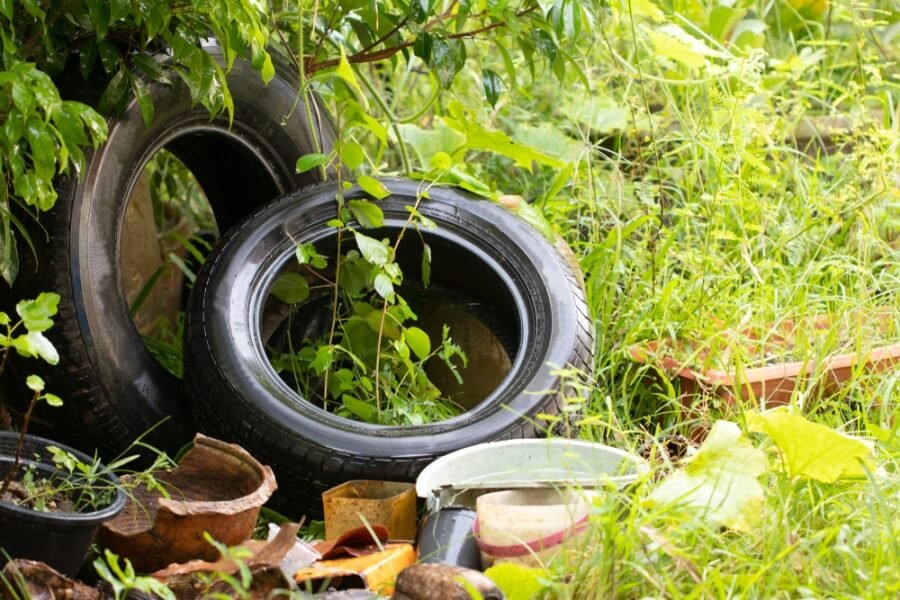
"As a result of the shortage of supplies, the need to intensify routine actions to reduce the transmission of cases is reinforced, with home to home visits, the rescue of vacant properties, population mobilization and clean-up efforts," says a note of the Health Ministry.
“As a result of the shortage of supplies, the need to intensify routine actions to reduce the transmission of cases is reinforced, with home to home visits, the recovery of vacant properties, population mobilization and clean-up efforts,” says a note of the Health Ministry. (Photo internet reproduction)

Ministry of Health

In an advisoryletter released on May 30th, the Health Ministry reported that the Health Surveillance Secretariat is working to minimize the risks caused by the shortage of insecticides. According to the note, due to the shortage, which affected not only Rio de Janeiro but also other regions, an attempt was made to borrow insecticide from other countries in South America. However, the product was unavailable.

“As a result of the shortage of supplies, the need to intensify routine actions to reduce the transmission of cases is reinforced, with home to home visits, the rescue of vacant properties, population mobilization and clean-up efforts. Vector control actions should be planned to be carried out permanently, promoting systematic coordination with all sectors of the municipality — education, sanitation, urban cleaning, etc.” says the note.

According to data released by the ministry, the state of Rio received 17,800 liters of insecticide to fight the Aedes Aegypti throughout 2018 and 4,800 liters by April 30th of this year.

This article was produced by The Rio Times’ automated newsroom system. How we use AI · Report an error

Read More from The Rio Times

The Rio Times · Power Map
See who really holds power in Latin America
Click to open the Power Map

Rotate for Best Experience

This report is optimized for landscape viewing. Rotate your phone for the full experience.