IBOV 171,031.73 ▲ 1.85% IPSA 11,338.38 ▲ 0.89% IPC MEX 65,729.18 ▲ 2.14% MERVAL 2,913,184 ▲ 1.30% COLCAP 2,459.23 ▲ 0.61% BVL PERÚ 58,698.13 ▲ 2.60% USD/BRL5.14— 0.00% USD/MXN16.94▲ 0.15% USD/CLP914.28— 0.00% USD/COP3,044▲ 0.21% USD/PEN3.36▲ 0.04% USD/ARS1,499▼ 0.03% USD/UYU40.20▲ 1.52% USD/PYG5,996▲ 1.39% USD/BOB11.43▲ 0.51% USD/DOP58.61▼ 0.07% USD/CRC450.05▲ 1.95% USD/GTQ7.62▲ 2.13% USD/HNL26.81▲ 1.55% USD/NIO36.62— 0.00% USD/VES782.70▼ 0.13% USD/PAB1.00— 0.00% USD/BZD2.00— 0.00% USD/JMD 157.28 — 0.00% USD/TTD6.71▲ 0.82% EUR/BRL6.00▲ 0.03% BRENT 88.88 ▼ 0.03% WTI 83.11 ▼ 0.11% IRON ORE 161.91 — — COPPER 6.61 ▲ 0.03% GOLD 4,461 ▲ 1.78% SILVER 65.59 ▲ 1.26% SOY 1,184 ▲ 3.20% CORN 480.50 ▲ 10.02% WHEAT 655.00 ▲ 3.93% COFFEE 317.25 ▼ 5.51% SUGAR 16.43 ▼ 1.79% ORANGE JUICE 138.55 ▼ 0.47% COTTON 85.03 ▲ 2.33% COCOA 5,719 ▲ 3.18% BEEF 223.60 ▼ 3.93% CATTLE 339.10 ▼ 3.16% LITHIUM 75.20 ▲ 1.47% PETR4 41.64 ▼ 0.05% VALE3 72.97 ▲ 0.83% ITUB4 38.60 ▼ 1.03% BBDC4 16.85 ▲ 0.36% ABEV3 14.89 ▼ 0.80% BBAS3 19.37 ▲ 0.47% B3SA3 14.26 ▼ 0.21% WEGE3 47.59 ▲ 0.49% PRIO3 59.14 ▼ 0.19% SUZB3 41.33 ▲ 2.35% RENT3 34.68 ▼ 0.09% AZZA3 15.89 ▼ 2.63% CSAN3 3.22 ▼ 1.83% RAIZ4 0.25 — 0.00% PCAR3 2.75 ▼ 0.36% GMAT3 3.65 ▼ 1.08% PSSA3 48.13 ▼ 0.54% CVCB3 1.33 ▼ 2.92% POSI3 3.36 ▲ 2.44% SLCE3 13.34 ▲ 0.30% NATU3 8.14 ▼ 0.73% IBOV 171,031.73 ▲ 1.85% IPSA 11,338.38 ▲ 0.89% IPC MEX 65,729.18 ▲ 2.14% MERVAL 2,913,184 ▲ 1.30% COLCAP 2,459.23 ▲ 0.61% BVL PERÚ 58,698.13 ▲ 2.60% USD/BRL 5.16 ▲ 0.01% USD/MXN 17.06 ▼ 0.24% USD/CLP 913.98 ▲ 0.04% USD/COP 3,140 ▲ 0.03% USD/PEN 3.36 ▼ 0.66% USD/ARS 1,493 ▲ 0.10% USD/UYU 40.27 ▲ 1.24% USD/PYG 5,939 ▲ 1.68% USD/BOB 11.64 ▼ 0.76% USD/DOP 58.34 ▲ 1.25% USD/CRC 445.92 ▲ 0.89% USD/GTQ 7.62 ▲ 2.21% USD/HNL 26.79 ▲ 1.57% USD/NIO 36.62 ▲ 0.69% USD/VES 762.44 ▼ 0.13% USD/PAB 1.00 — 0.00% USD/BZD 2.00 — 0.00% USD/JMD 157.28 — 0.00% USD/TTD 6.70 ▲ 0.61% EUR/BRL 5.95 ▲ 1.01% BRENT 88.88 ▼ 0.03% WTI 83.11 ▼ 0.11% IRON ORE 161.91 — — COPPER 6.61 ▲ 0.03% GOLD 4,461 ▲ 1.78% SILVER 65.59 ▲ 1.26% SOY 1,184 ▲ 3.20% CORN 480.50 ▲ 10.02% WHEAT 655.00 ▲ 3.93% COFFEE 317.25 ▼ 5.51% SUGAR 16.43 ▼ 1.79% ORANGE JUICE 138.55 ▼ 0.47% COTTON 85.03 ▲ 2.33% COCOA 5,719 ▲ 3.18% BEEF 223.60 ▼ 3.93% CATTLE 339.10 ▼ 3.16% LITHIUM 75.20 ▲ 1.47% PETR4 41.64 ▼ 0.05% VALE3 72.97 ▲ 0.83% ITUB4 38.60 ▼ 1.03% BBDC4 16.85 ▲ 0.36% ABEV3 14.89 ▼ 0.80% BBAS3 19.37 ▲ 0.47% B3SA3 14.26 ▼ 0.21% WEGE3 47.59 ▲ 0.49% PRIO3 59.14 ▼ 0.19% SUZB3 41.33 ▲ 2.35% RENT3 34.68 ▼ 0.09% AZZA3 15.89 ▼ 2.63% CSAN3 3.22 ▼ 1.83% RAIZ4 0.25 — 0.00% PCAR3 2.75 ▼ 0.36% GMAT3 3.65 ▼ 1.08% PSSA3 48.13 ▼ 0.54% CVCB3 1.33 ▼ 2.92% POSI3 3.36 ▲ 2.44% SLCE3 13.34 ▲ 0.30% NATU3 8.14 ▼ 0.73%
since 2009
Monday, August 24, 2026

Bottled Mineral Water Sales Jumped 50 Percent in Rio Between December and January

By · February 9, 2020 · 4 min read

Daily Brief

The morning intel from across Latin America. Free.

By subscribing you agree to our privacy policy. We never share your email.

RIO DE JANEIRO, BRAZIL – (Bloomberg) Sales of mineral water jumped 50 percent between December and January, according to the sector’s trade association, and logistics plans had to be reworked.

Supermarket chains are enlisting new suppliers and increasing deliveries to the city — already a hot market during the Southern Hemisphere’s summer, when temperatures often top 40 degrees Celsius (104 Fahrenheit).

Sales of mineral water jumped 50 percent between December and January, according to the sector’s union, and logistic plans had to be reworked.
Sales of mineral water jumped 50 percent between December and January, according to the sector’s union, and logistic plans had to be reworked. (Photo internet reproduction)
One-stop reference
Company Intelligence
Every listed company in Latin America — financials, ownership and structure for 1,450+ companies across 26 exchanges, in one place.
Browse the directory →
RT
Ask Rio Times
This story and the bigger picture.
Open the full Ask Rio Times →

“Our machines are working at 100 percent,” Minalba, one of Brazil’s biggest water bottlers, said in a response to questions. “We increased shifts to assist as much as possible, and are dedicating more trucks and more people to deliveries in Rio.”

For more than a month, tap water in several parts of Rio has been cloudy, sometimes brown. Authorities say the issue affecting some nine million residents and visitors is caused by geosmin, a naturally occurring organic compound produced by algae.

Activated charcoal and clay have been added to the water in a bid to neutralize its odor and taste, without completely eliminating the problem.

Things got worse this week when detergent was also found in the water supplied to the population. Cedae, the state-owned water utility that serves Rio, shut down a key treatment unit to fix the problem, causing temporary shortages in dozens of neighborhoods and forcing some schools to postpone the beginning of classes.

Cedae maintains that the water is safe to drink. The company “is monitoring and analyzing the water distributed throughout the system daily,” it said in a response to questions.
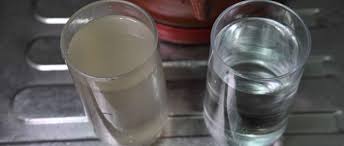
For more than a month, tap water in several parts of Rio has been cloudy, sometimes brown. Authorities say the issue affecting some nine million residents and visitors is caused by geosmin, a naturally occurring organic compound produced by algae.
For more than a month, tap water in several parts of Rio has been cloudy, sometimes brown. Authorities say the issue affecting some nine million residents and visitors is caused by geosmin, a naturally occurring organic compound produced by algae. (Photo internet reproduction)

The crisis in Rio has added ammunition to Brazil’s push to privatize water and sanitation assets, a task that has eluded previous governments due to the opposition of labor unions and politicians who often grant jobs to allies at state-run companies.

Some 100 million Brazilians do not currently have access to sewage collection, an issue with long-term ripple effects. Research has linked the Zika virus epidemic of 2018, which will have ripple effects on health-care spending for decades, to poor sanitation.

A bill changing the legal framework of the sector, seen as crucial to attract investment and improve services, is expected to be approved this year after years of back and forth in Congress. The sale of Cedae doesn’t depend on lawmakers, though: Rio’s government pledged to privatize it in 2017 as part of an agreement for a federal bailout loan.

Carnaval demand

Water bottlers expect demand to continue climbing as tourists descend on one of Brazil’s largest cities for Carnaval holidays later this month. Minalba says its sales are already up 30 percent versus the same period last year.

Industrywide, sales of 20-liter bottles jumped 150 percent between December and January, while those of smaller, disposable bottles have climbed 50 percent on average.

Pouso Alto, a Minas Gerais-based water bottler which supplies more than 10 states in Brazil, temporarily suspended sales to several locations and is redirecting its production to Rio amid what it described as unprecedented demand.
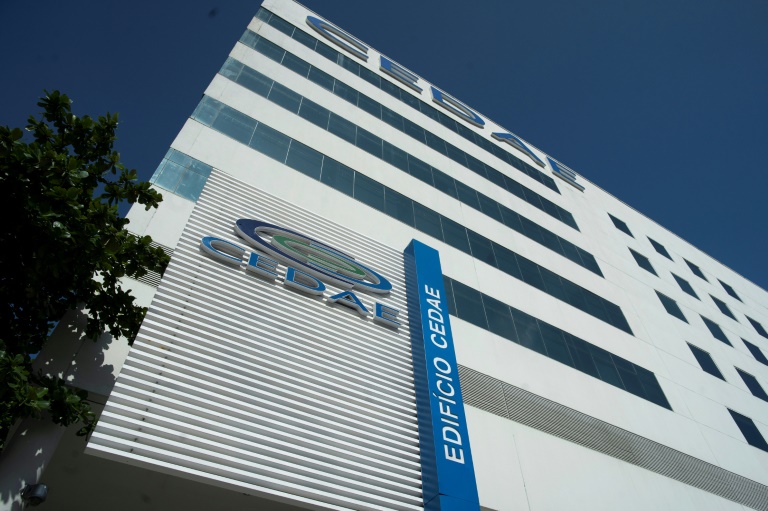
Cedae, the state-owned water utility that serves Rio, shut down a key treatment unit to fix the problem, causing temporary shortages in dozens of neighborhoods and forcing some schools to postpone the beginning of classes.
Cedae, the state-owned water utility that serves Rio, shut down a key treatment unit, causing temporary shortages in dozens of neighborhoods and forcing some schools to postpone the beginning of classes. (Photo internet reproduction)

The firm was working with 35 percent spare capacity until December. After selling its entire inventory in the first week of January, it went to full capacity and added an extra shift. Daily truck deliveries doubled to 14, and the factory was adapted to focus production on 1.5-liter bottles, the most required by clients.

“We are operating at full capacity and so are all of our competitors,” said Marcelo Felix, Operations Director at the firm. “I’ve never seen demand this heated.”

It’s not the first time Pouso Alto sees a surge prompted by crisis. Sales first peaked one year ago, after a Vale SA mining disaster contaminated one of the main rivers that supplies Belo Horizonte, the capital of Minas Gerais state. The Rio water crisis has taken consumption of bottled water to a new level, Felix said.

“We used to call clients and ask what they wanted,” he said. “Now, it’s the other way around. They ask us what we have.”

Read More from The Rio Times

The Rio Times · Power Map
See who really holds power in Latin America
Click to open the Power Map

Rotate for Best Experience

This report is optimized for landscape viewing. Rotate your phone for the full experience.