Insect Exhibition Shows Their Growing Future Importance for Feeding the World
SÃO PAULO, BRAZIL – Some insects may be annoying; others spread diseases, damage plants, and even endanger the lives of people and animals. Many “good animals” however, help in controlling pests and pollinating plants, ensure human survival, and according to Professor Pedro Takao Yamamamoto of the Department of Entomology and Acarology of the Luiz de Queiroz School of Agriculture (ESALQ), they will be allies in feeding the future. “You have to break the taboo,” he says.

Showing the positive and negative sides, as well as exploring the diversity of insects, are the goals of an exhibition open to the public that will take place on Saturday, July 27th, on the University of São Paulo (USP) campus, in Piracicaba (State of São Paulo). The event is organized by Yamamoto.
Guided tours, lecture booths, recipes taught by a chef and a biologist, and tasting of dishes made with these creatures are all part of the exhibition. Options range from cockroach yakisoba to ant cake.
Despite the paramount importance of these small creatures, the ESALQ specialist and organizer of the event says that it is still a long way off for the prejudice against them to disappear. For this to happen, Yamamoto says that it is necessary to teach people and demonstrate in practice that consuming insects and living close to them may not be harmful.
The growing importance of insects in feeding
Chocolate covered crickets, detox juice, pizza, and cake and cockroach yakisoba are among the many gastronomic options that can be prepared with insects. Bugs bred in the laboratory under proper hygienic conditions increase their nutritional value, Yamamoto explains.
“Many species contain more protein than the meat we usually eat and end up helping a lot in controlling our system. Some countries have even developed insect-based cereal bars,” he says.
In some European countries, you can already buy insects as food in the most important supermarkets. There are insects restaurants that are considered just as normal as pizzerias, sushi, and burger restaurants.
Yamamoto also points out that these animals will be increasingly important for the challenge of feeding the growing world population since their farming requires less energy, water, and space.
This allows them to be produced in larger quantities and at lower prices compared to large animals. The Food and Agriculture Organization of the United Nations (FAO) even recommends the inclusion of these small species in our diet.
“In Brazil, there is already a tradition of eating the tanajura (“Atta”), the ant queen. The cricket is also consumed, but it is necessary to break the prejudice against other insects, such as the cockroach,” says the expert.
According to Yamamoto, among the countries consuming the most of the little creatures are Mexico, Thailand, and Vietnam, as well as African countries, where the tradition has existed for a long time. “In some places, there are even rituals before eating the insects,” he says.
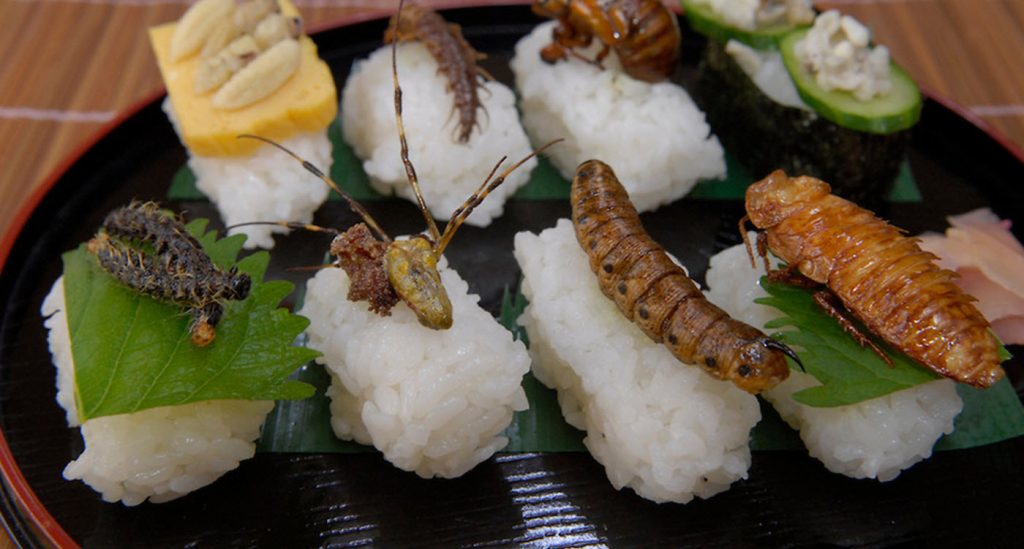
“Feira Insetos” (Insects Fair) brings together gastronomy and guided tours. Open to the public, the Insects exhibition takes place at ESALQ/USP from 9 AM to 4 PM on Saturday, July 27th, with practical activities showing the relevance of insects and the risks that some bring to human and animal health, besides general trivia about the bugs in the arts and culture.
The event is free, and there is no need to pre-register, but the organization calls for a voluntary contribution of non-perishable foods.
The telephone number for the Esalq Department of Entomology and Acarology is (19) 3429-4122. Esalq is located at Avenida Pádua Dias, 11, Vila Independência neighborhood, in Piracicaba.
More: Brazil news in English, every day from The Rio Times.
Editorial responsibility: Matthias Camenzind, Editor-in-Chief · Editorial standards · Report an error