IBOV 171,031.73 ▲ 1.85% IPSA 11,338.38 ▲ 0.89% IPC MEX 65,729.18 ▲ 2.14% MERVAL 2,913,184 ▲ 1.30% COLCAP 2,459.23 ▲ 0.61% BVL PERÚ 58,698.13 ▲ 2.60% USD/BRL5.14▲ 0.02% USD/MXN16.94▲ 0.15% USD/CLP914.28— 0.00% USD/COP3,038▼ 0.15% USD/PEN3.36▲ 0.05% USD/ARS1,499▼ 0.03% USD/UYU40.20▲ 1.52% USD/PYG5,996▲ 1.39% USD/BOB11.43▲ 0.51% USD/DOP58.61▼ 0.07% USD/CRC450.05▲ 1.95% USD/GTQ7.62▲ 2.13% USD/HNL26.81▲ 1.55% USD/NIO36.62— 0.00% USD/VES782.70▼ 0.13% USD/PAB1.00— 0.00% USD/BZD2.00— 0.00% USD/JMD 157.28 — 0.00% USD/TTD6.71▲ 0.82% EUR/BRL5.98▼ 0.31% BRENT 88.88 ▼ 0.03% WTI 83.11 ▼ 0.11% IRON ORE 161.91 — — COPPER 6.61 ▲ 0.03% GOLD 4,461 ▲ 1.78% SILVER 65.59 ▲ 1.26% SOY 1,184 ▲ 3.20% CORN 480.50 ▲ 10.02% WHEAT 655.00 ▲ 3.93% COFFEE 317.25 ▼ 5.51% SUGAR 16.43 ▼ 1.79% ORANGE JUICE 138.55 ▼ 0.47% COTTON 85.03 ▲ 2.33% COCOA 5,719 ▲ 3.18% BEEF 223.60 ▼ 3.93% CATTLE 339.10 ▼ 3.16% LITHIUM 75.20 ▲ 1.47% PETR4 41.64 ▼ 0.05% VALE3 72.97 ▲ 0.83% ITUB4 38.60 ▼ 1.03% BBDC4 16.85 ▲ 0.36% ABEV3 14.89 ▼ 0.80% BBAS3 19.37 ▲ 0.47% B3SA3 14.26 ▼ 0.21% WEGE3 47.59 ▲ 0.49% PRIO3 59.14 ▼ 0.19% SUZB3 41.33 ▲ 2.35% RENT3 34.68 ▼ 0.09% AZZA3 15.89 ▼ 2.63% CSAN3 3.22 ▼ 1.83% RAIZ4 0.25 — 0.00% PCAR3 2.75 ▼ 0.36% GMAT3 3.65 ▼ 1.08% PSSA3 48.13 ▼ 0.54% CVCB3 1.33 ▼ 2.92% POSI3 3.36 ▲ 2.44% SLCE3 13.34 ▲ 0.30% NATU3 8.14 ▼ 0.73% IBOV 171,031.73 ▲ 1.85% IPSA 11,338.38 ▲ 0.89% IPC MEX 65,729.18 ▲ 2.14% MERVAL 2,913,184 ▲ 1.30% COLCAP 2,459.23 ▲ 0.61% BVL PERÚ 58,698.13 ▲ 2.60% USD/BRL 5.16 ▲ 0.01% USD/MXN 17.06 ▼ 0.24% USD/CLP 913.98 ▲ 0.04% USD/COP 3,140 ▲ 0.03% USD/PEN 3.36 ▼ 0.66% USD/ARS 1,493 ▲ 0.10% USD/UYU 40.27 ▲ 1.24% USD/PYG 5,939 ▲ 1.68% USD/BOB 11.64 ▼ 0.76% USD/DOP 58.34 ▲ 1.25% USD/CRC 445.92 ▲ 0.89% USD/GTQ 7.62 ▲ 2.21% USD/HNL 26.79 ▲ 1.57% USD/NIO 36.62 ▲ 0.69% USD/VES 762.44 ▼ 0.13% USD/PAB 1.00 — 0.00% USD/BZD 2.00 — 0.00% USD/JMD 157.28 — 0.00% USD/TTD 6.70 ▲ 0.61% EUR/BRL 5.95 ▲ 1.01% BRENT 88.88 ▼ 0.03% WTI 83.11 ▼ 0.11% IRON ORE 161.91 — — COPPER 6.61 ▲ 0.03% GOLD 4,461 ▲ 1.78% SILVER 65.59 ▲ 1.26% SOY 1,184 ▲ 3.20% CORN 480.50 ▲ 10.02% WHEAT 655.00 ▲ 3.93% COFFEE 317.25 ▼ 5.51% SUGAR 16.43 ▼ 1.79% ORANGE JUICE 138.55 ▼ 0.47% COTTON 85.03 ▲ 2.33% COCOA 5,719 ▲ 3.18% BEEF 223.60 ▼ 3.93% CATTLE 339.10 ▼ 3.16% LITHIUM 75.20 ▲ 1.47% PETR4 41.64 ▼ 0.05% VALE3 72.97 ▲ 0.83% ITUB4 38.60 ▼ 1.03% BBDC4 16.85 ▲ 0.36% ABEV3 14.89 ▼ 0.80% BBAS3 19.37 ▲ 0.47% B3SA3 14.26 ▼ 0.21% WEGE3 47.59 ▲ 0.49% PRIO3 59.14 ▼ 0.19% SUZB3 41.33 ▲ 2.35% RENT3 34.68 ▼ 0.09% AZZA3 15.89 ▼ 2.63% CSAN3 3.22 ▼ 1.83% RAIZ4 0.25 — 0.00% PCAR3 2.75 ▼ 0.36% GMAT3 3.65 ▼ 1.08% PSSA3 48.13 ▼ 0.54% CVCB3 1.33 ▼ 2.92% POSI3 3.36 ▲ 2.44% SLCE3 13.34 ▲ 0.30% NATU3 8.14 ▼ 0.73%
since 2009
Monday, August 24, 2026

Brazil Life & Society

Cubans Seeking Asylum in Brazil Nearly Triple After Leaving “Mais Médicos”

By · July 15, 2019 · 3 min read

Daily Brief

The morning intel from across Latin America. Free.

By subscribing you agree to our privacy policy. We never share your email.

RIO DE JANEIRO, BRAZIL – “I can’t go back to Cuba. I won’t be accepted there.” Karel Enrique Sanchez Fuentes, a 35-year-old physician, is one of 2,209 Cubans who applied for asylum in Brazil between November 2018, when the Caribbean country’s Mais Médicos agreement was terminated, and April 2019.
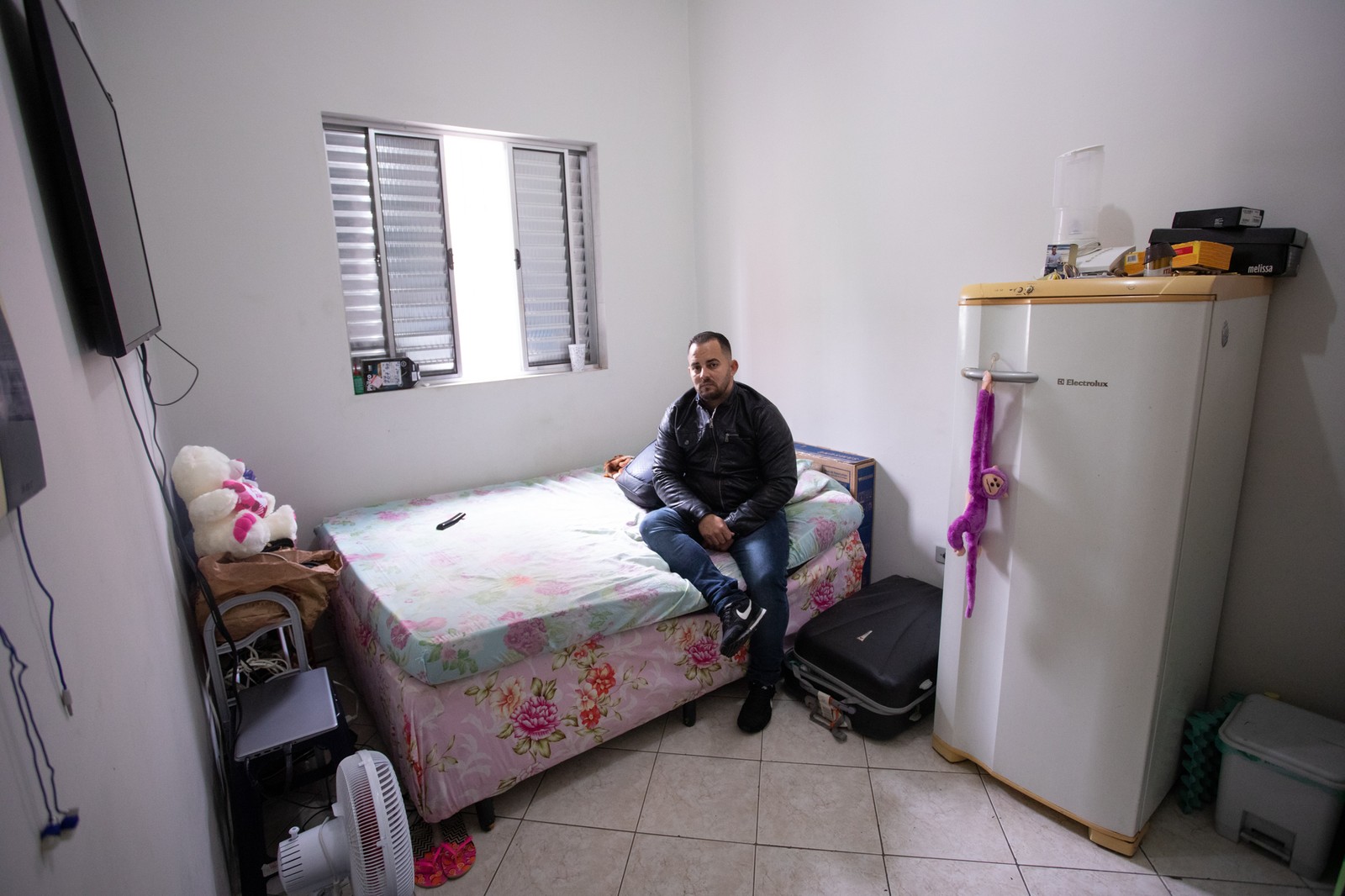
Cuban Doctor Karel Sanchez Fuentes lives with his wife in a small studio apartment in the center of São Paulo.
Cuban doctor Karel Sanchez Fuentes lives with his wife in a small studio apartment in the center of São Paulo. (Photo internet reproduction/G1)
One-stop reference
Company Intelligence
Every listed company in Latin America — financials, ownership and structure for 1,450+ companies across 26 exchanges, in one place.
Browse the directory →
RT
Ask Rio Times
This story and the bigger picture.
Open the full Ask Rio Times →

The figure is nearly three times what it was a year earlier. From November 2017 to April 2018, when the agreement was in full force, there were 880 requests. As a result, from an average of 4.86 applications per day, the rate climbed to 12.62 after Cuba’s withdrawal from the program. The data are from the National Committee for Refugees (CONARE).

Cuban requests for asylum had been growing since the beginning of 2013 when Mais Médicos commenced. In November 2018, however, there has been an unprecedented increase that persists through February 2019.

In November, Cuba announced that it would abandon the program, quoting statements by newly-elected president Jair Bolsonaro, who had promised during his campaign to expel Cuban doctors and demand they sit for an examination: the National Examination for the Revalidation of Medical Diplomas Issued by Foreign Institutions of Higher Education (Revalida).

Nevertheless, Bolsonaro also promised to grant asylum to any Cuban who requested it — a different title from that of refugee, but one that also allows foreigners to remain legally in the country.

“We must grant asylum to those who want it. We cannot continue to threaten them as they were threatened in the previous government. […] If I am president, any Cuban wanting to seek asylum here will have it,” said the elected president soon after Cuba decided to abandon the Mais Médicos program.
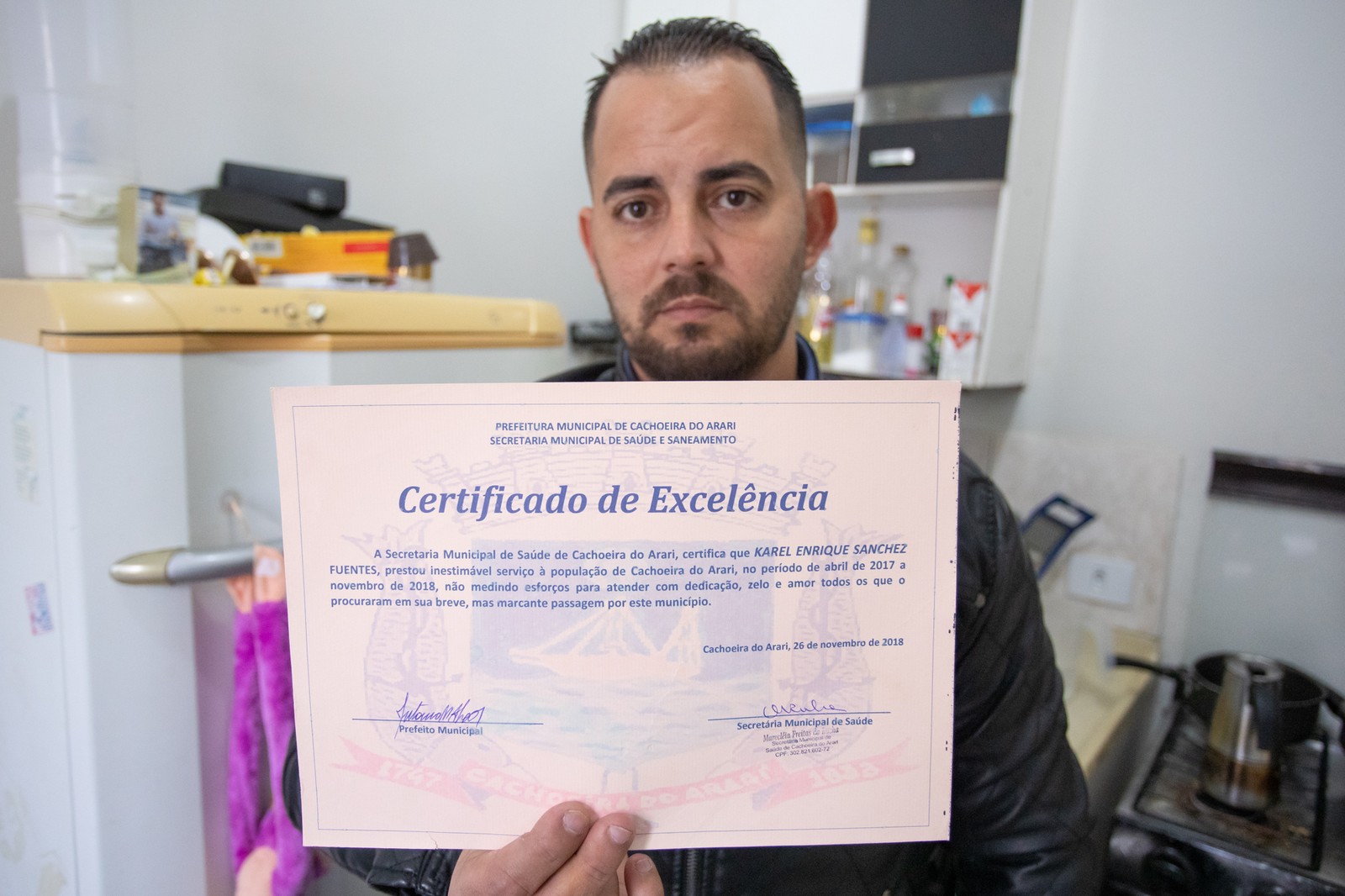
Cuban Doctor Karel Sanchez Fuentes received a Certificate of Excellence from the town where he worked during his participation in the 'Mais Médicos' Program.
Cuban doctor Karel Sanchez Fuentes received a Certificate of Excellence from the town where he worked during his participation in the “Mais Médicos” Program. (Photo internet reproduction/G1)

The G1 news site asked the government for the number of Cuban asylum applications accepted by the government since the end of the Mais Médicos program and how many were granted. The Presidency’s Communications Secretariat stated that the matter would be answered by the Ministry of Justice and Public Security. The portfolio, in turn, said that the issue fell under the responsibility of Itamaraty — the Foreign Office — which has not replied by the date of publication of this report.

To try to address the issue — at least in part — the Health Ministry reported that there is an effort by the federal government to “assist Cuban doctors in remaining in the country and seeking alternatives for their professional practice.”

According to CONARE, there were requests from Cubans in every state and in the Federal District between November 2018 and April 2019. The trend is not echoed even among asylum applicants who have come from Venezuela — which the Brazilian government acknowledges as a “serious and widespread violation of human rights.”

CONARE has granted thirteen asylum applications this year. Of these requests, only three had been submitted in 2018, the year in which the agreement came to an end — the body does not detail the month in which Cubans now considered refugees filed their application. Each case requires approximately two years to be processed.

This article was produced by The Rio Times’ automated newsroom system. How we use AI · Report an error

Read More from The Rio Times

The Rio Times · Power Map
See who really holds power in Latin America
Click to open the Power Map

Rotate for Best Experience

This report is optimized for landscape viewing. Rotate your phone for the full experience.