IBOV 177,999.00 ▲ 0.47% IPSA 11,016.85 ▼ 0.13% IPC MEX 66,935.53 ▼ 0.58% MERVAL 3,291,323 ▼ 0.41% COLCAP 2,392.10 ▲ 2.12% BVL PERÚ 57,890.85 — — USD/BRL5.07▼ 0.02% USD/MXN17.30▼ 0.27% USD/CLP 930.47 — 0.00% USD/COP3,148▼ 0.08% USD/PEN3.40▲ 0.15% USD/ARS1,485▼ 0.03% USD/UYU 40.20 — 0.00% USD/PYG 5,931 — 0.00% USD/BOB 12.10 — 0.00% USD/DOP58.11▲ 0.21% USD/CRC 448.40 — 0.00% USD/GTQ 7.62 — 0.00% USD/HNL 26.76 — 0.00% USD/NIO 36.62 — 0.00% USD/VES746.91▼ 0.13% USD/PAB1.00— 0.00% USD/BZD2.00— 0.00% USD/JMD157.49▲ 0.19% USD/TTD6.72— 0.00% EUR/BRL5.86▲ 0.20% BRENT 90.12 ▲ 1.22% WTI 80.66 ▼ 4.74% IRON ORE 161.91 — — COPPER 6.54 ▲ 1.57% GOLD 4,124 ▲ 1.86% SILVER 58.28 ▲ 1.19% SOY 1,180 ▲ 0.64% CORN 460.25 ▲ 4.42% WHEAT 634.75 ▼ 0.70% COFFEE 313.55 ▼ 2.94% SUGAR 14.65 ▲ 1.52% ORANGE JUICE 153.35 ▲ 5.03% COTTON 81.20 ▲ 2.25% COCOA 5,537 ▲ 8.31% BEEF 227.25 ▼ 1.72% CATTLE 343.78 ▼ 0.78% LITHIUM 69.22 ▼ 0.85% PETR4 43.42 ▲ 1.35% VALE3 76.28 ▲ 0.25% ITUB4 42.89 ▲ 0.35% BBDC4 18.43 ▲ 0.22% ABEV3 15.99 ▲ 0.19% BBAS3 21.35 ▲ 0.76% B3SA3 15.73 ▲ 0.64% WEGE3 47.20 ▲ 0.81% PRIO3 60.85 ▲ 1.48% SUZB3 43.32 ▲ 1.38% RENT3 37.61 ▼ 1.62% AZZA3 16.42 ▲ 3.53% CSAN3 4.07 ▲ 2.01% RAIZ4 0.26 — 0.00% PCAR3 2.59 ▼ 5.47% GMAT3 4.03 ▲ 1.26% PSSA3 54.70 ▲ 0.64% CVCB3 1.31 ▲ 0.77% POSI3 3.55 ▲ 0.85% SLCE3 13.38 ▲ 0.91% NATU3 8.38 ▲ 0.60% BRKM5 5.97 ▲ 0.67% RANI3 8.11 ▲ 1.00% CSNA3 4.84 ▼ 2.22% CMIN3 5.71 ▼ 0.17% USIM5 7.36 ▼ 2.52% GGBR4 24.98 — 0.00% ENEV3 26.31 ▲ 0.61% CPFE3 46.14 ▲ 0.11% CMIG4 11.34 ▲ 0.98% EQTL3 38.66 — 0.00% LREN3 13.60 ▲ 0.59% VIVT3 32.63 — 0.00% RAIL3 14.44 ▲ 1.12% KLABIN 18.25 ▲ 1.11% RAIA DROGASIL 18.48 ▲ 1.26% RDOR3 34.64 ▲ 0.64% HAPV3 11.28 ▲ 2.45% FLRY3 17.14 ▲ 1.00% SMTO3 14.52 ▲ 0.83% UGPA3 33.05 ▲ 0.39% VBBR3 36.05 ▲ 1.18% BBSE3 41.26 ▲ 0.98% BPAC11 56.80 ▲ 0.32% CURY3 30.09 ▼ 1.02% AERI3 2.15 ▲ 0.94% VIVARA 22.18 ▲ 0.09% COMPASS 24.84 — 0.00% VAMOS 3.34 ▼ 2.34% SANB11 28.62 ▲ 13.35% ASAI3 8.50 ▲ 1.07% SBSP3 27.70 ▲ 1.06% WALMEX 50.36 ▲ 0.34% GMEXICO 208.29 ▼ 2.20% FEMSA 221.95 ▲ 1.19% CEMEX 20.54 ▼ 0.73% GFNORTE 199.64 ▼ 0.32% BIMBO 62.08 ▲ 2.26% TELEVISA 9.79 ▼ 0.91% AMX 22.00 — 0.00% GAP 376.64 ▼ 1.08% ASUR 275.62 ▼ 0.34% OMA 231.05 ▼ 0.96% KOF 187.94 ▼ 0.14% GRUMA 258.23 ▼ 4.00% KIMBER 40.19 ▼ 0.17% SQM-B 62,700 ▼ 0.93% COPEC 6,350 ▲ 0.79% BSANTANDER 80.99 ▲ 0.36% FALABELLA 6,216 ▼ 0.06% ENELAM 87.99 ▲ 0.39% CENCOSUD 1,955 ▲ 0.51% CMPC 1,055 ▲ 2.43% BANCO CHILE 193.71 ▼ 1.57% LATAM AIR 24.74 ▼ 0.64% YPF 82,900 ▲ 1.94% GGAL 7,890 ▼ 1.56% PAMPA 5,555 ▲ 0.36% TXAR 655.50 ▲ 1.16% ALUAR 977.50 ▼ 0.20% TGS 10,050 ▲ 2.45% CEPU 2,396 ▼ 0.33% MIRGOR 16,350 ▼ 1.95% COME 44.03 ▼ 1.94% LOMA NEGRA 3,620 ▼ 1.76% BYMA 296.00 ▼ 0.34% TELECOM ARG 4,408 ▲ 2.14% ECOPETROL 16.77 ▼ 1.58% BANCOLOMBIA 92.52 ▼ 1.46% GRUPO AVAL 5.28 ▲ 2.75% CREDICORP 400.58 ▼ 0.42% SOUTHERN COPPER 182.71 ▼ 1.24% BUENAVENTURA 30.28 ▼ 4.96% MERCADOLIBRE 1,878 ▼ 0.41% NUBANK 14.33 ▼ 1.10% XP 17.06 ▼ 0.81% PAGSEGURO 9.64 ▼ 2.03% STONE 11.38 ▼ 0.48% GLOBANT 36.60 ▲ 0.58% TECNOGLASS 43.44 ▼ 0.34% GAP AIRPORT 217.35 ▼ 1.02% ASUR 275.62 ▼ 0.34% OMA AIRPORT 106.90 ▼ 1.10% AMX ADR 25.37 ▲ 0.18% FEMSA ADR 127.99 ▲ 0.97% CEMEX ADR 11.82 ▼ 0.92% PETROBRAS ADR 19.40 ▲ 1.46% VALE ADR 15.06 ▲ 0.47% ITAU ADR 8.46 ▲ 0.24% SANTANDER BR 5.67 ▲ 12.28% AMBEV ADR 3.11 ▼ 0.32% CSN 0.99 ▼ 2.42% GERDAU 4.96 — 0.00% LATAM ADR 52.75 ▼ 2.21% BTC 63,186 ▲ 0.67% ETH 1,872 ▲ 1.53% SOL 73.16 ▲ 1.80% XRP 1.08 ▲ 1.92% BNB 583.84 ▲ 1.54% ADA 0.19 ▲ 8.26% DOGE 0.07 ▲ 1.66% AVAX 6.52 ▲ 5.43% LINK 8.33 ▲ 3.44% DOT 0.80 ▲ 1.98% LTC 44.60 ▲ 0.94% BCH 211.93 ▲ 1.93% TRX 0.33 ▼ 0.58% XLM 0.17 ▲ 1.71% HBAR 0.07 ▲ 0.90% NEAR 1.72 ▲ 2.59% ATOM 1.27 ▲ 3.93% AAVE 91.82 ▲ 1.44% SELIC 14.25% EMBRAER 86.89 ▲ 0.87% EMBRAER ADR 68.33 ▲ 0.32% JBS 14.02 ▼ 1.89% JBS BDR 70.70 ▼ 2.01% MBRF3 17.54 ▼ 2.34% MBRFY 3.39 ▼ 2.31% INTER 5.60 ▼ 0.71% EGX 54,286 ▲ 1.23% USD/ZAR16.46▼ 0.55% USD/NGN 1,364 — 0.00% NIKKEI 63,481 ▼ 1.37% CSI300 4,588 ▲ 0.85% HSI 25,884 ▲ 0.10% NIFTY 24,384 ▲ 0.27% KOSPI 6,316 ▼ 4.23% JCI 6,236 ▲ 0.80% USD/JPY156.67▼ 0.58% USD/CNY6.75▼ 0.01% DAX 25,629 ▲ 0.07% CAC 8,510 ▲ 0.28% FTSE 10,868 ▼ 0.27% MIB 52,173 ▲ 0.13% IBEX 19,783 ▲ 0.13% STOXX 649.19 ▼ 0.12% EUR/USD1.16▲ 0.20% GBP/USD1.35▲ 0.11% SPX 7,490 ▲ 0.70% DJI 52,485 ▲ 0.53% NDX 28,274 ▲ 0.60% RUT 2,931 ▼ 0.50% TSX 35,226 ▼ 0.79% VIX 15.99 ▼ 6.44% USD/CAD1.40▼ 0.06% US10Y 4.7450 ▲ 1.76% IBOV 177,999.00 ▲ 0.47% IPSA 11,016.85 ▼ 0.13% IPC MEX 66,935.53 ▼ 0.58% MERVAL 3,291,323 ▼ 0.41% COLCAP 2,392.10 ▲ 2.12% BVL PERÚ 57,890.85 — — USD/BRL 5.07 ▼ 0.02% USD/MXN 17.30 ▼ 0.28% USD/CLP 930.47 — 0.00% USD/COP 3,148 ▼ 0.08% USD/PEN 3.40 ▲ 0.15% USD/ARS 1,485 ▼ 0.03% USD/UYU 40.20 — 0.00% USD/PYG 5,931 — 0.00% USD/BOB 12.10 — 0.00% USD/DOP 58.11 ▲ 0.21% USD/CRC 448.40 — 0.00% USD/GTQ 7.62 — 0.00% USD/HNL 26.76 — 0.00% USD/NIO 36.62 — 0.00% USD/VES 746.91 ▼ 0.13% USD/PAB 1.00 — 0.00% USD/BZD 2.00 — 0.00% USD/JMD 157.49 ▲ 0.56% USD/TTD 6.72 ▲ 0.86% EUR/BRL 5.86 ▲ 0.20% BRENT 90.12 ▲ 1.22% WTI 80.66 ▼ 4.74% IRON ORE 161.91 — — COPPER 6.54 ▲ 1.57% GOLD 4,124 ▲ 1.86% SILVER 58.28 ▲ 1.19% SOY 1,180 ▲ 0.64% CORN 460.25 ▲ 4.42% WHEAT 634.75 ▼ 0.70% COFFEE 313.55 ▼ 2.94% SUGAR 14.65 ▲ 1.52% ORANGE JUICE 153.35 ▲ 5.03% COTTON 81.20 ▲ 2.25% COCOA 5,537 ▲ 8.31% BEEF 227.25 ▼ 1.72% CATTLE 343.78 ▼ 0.78% LITHIUM 69.22 ▼ 0.85% PETR4 43.42 ▲ 1.35% VALE3 76.28 ▲ 0.25% ITUB4 42.89 ▲ 0.35% BBDC4 18.43 ▲ 0.22% ABEV3 15.99 ▲ 0.19% BBAS3 21.35 ▲ 0.76% B3SA3 15.73 ▲ 0.64% WEGE3 47.20 ▲ 0.81% PRIO3 60.85 ▲ 1.48% SUZB3 43.32 ▲ 1.38% RENT3 37.61 ▼ 1.62% AZZA3 16.42 ▲ 3.53% CSAN3 4.07 ▲ 2.01% RAIZ4 0.26 — 0.00% PCAR3 2.59 ▼ 5.47% GMAT3 4.03 ▲ 1.26% PSSA3 54.70 ▲ 0.64% CVCB3 1.31 ▲ 0.77% POSI3 3.55 ▲ 0.85% SLCE3 13.38 ▲ 0.91% NATU3 8.38 ▲ 0.60% BRKM5 5.97 ▲ 0.67% RANI3 8.11 ▲ 1.00% CSNA3 4.84 ▼ 2.22% CMIN3 5.71 ▼ 0.17% USIM5 7.36 ▼ 2.52% GGBR4 24.98 — 0.00% ENEV3 26.31 ▲ 0.61% CPFE3 46.14 ▲ 0.11% CMIG4 11.34 ▲ 0.98% EQTL3 38.66 — 0.00% LREN3 13.60 ▲ 0.59% VIVT3 32.63 — 0.00% RAIL3 14.44 ▲ 1.12% KLABIN 18.25 ▲ 1.11% RAIA DROGASIL 18.48 ▲ 1.26% RDOR3 34.64 ▲ 0.64% HAPV3 11.28 ▲ 2.45% FLRY3 17.14 ▲ 1.00% SMTO3 14.52 ▲ 0.83% UGPA3 33.05 ▲ 0.39% VBBR3 36.05 ▲ 1.18% BBSE3 41.26 ▲ 0.98% BPAC11 56.80 ▲ 0.32% CURY3 30.09 ▼ 1.02% AERI3 2.15 ▲ 0.94% VIVARA 22.18 ▲ 0.09% COMPASS 24.84 — 0.00% VAMOS 3.34 ▼ 2.34% SANB11 28.62 ▲ 13.35% ASAI3 8.50 ▲ 1.07% SBSP3 27.70 ▲ 1.06% WALMEX 50.36 ▲ 0.34% GMEXICO 208.29 ▼ 2.20% FEMSA 221.95 ▲ 1.19% CEMEX 20.54 ▼ 0.73% GFNORTE 199.64 ▼ 0.32% BIMBO 62.08 ▲ 2.26% TELEVISA 9.79 ▼ 0.91% AMX 22.00 — 0.00% GAP 376.64 ▼ 1.08% ASUR 275.62 ▼ 0.34% OMA 231.05 ▼ 0.96% KOF 187.94 ▼ 0.14% GRUMA 258.23 ▼ 4.00% KIMBER 40.19 ▼ 0.17% SQM-B 62,700 ▼ 0.93% COPEC 6,350 ▲ 0.79% BSANTANDER 80.99 ▲ 0.36% FALABELLA 6,216 ▼ 0.06% ENELAM 87.99 ▲ 0.39% CENCOSUD 1,955 ▲ 0.51% CMPC 1,055 ▲ 2.43% BANCO CHILE 193.71 ▼ 1.57% LATAM AIR 24.74 ▼ 0.64% YPF 82,900 ▲ 1.94% GGAL 7,890 ▼ 1.56% PAMPA 5,555 ▲ 0.36% TXAR 655.50 ▲ 1.16% ALUAR 977.50 ▼ 0.20% TGS 10,050 ▲ 2.45% CEPU 2,396 ▼ 0.33% MIRGOR 16,350 ▼ 1.95% COME 44.03 ▼ 1.94% LOMA NEGRA 3,620 ▼ 1.76% BYMA 296.00 ▼ 0.34% TELECOM ARG 4,408 ▲ 2.14% ECOPETROL 16.77 ▼ 1.58% BANCOLOMBIA 92.52 ▼ 1.46% GRUPO AVAL 5.28 ▲ 2.75% CREDICORP 400.58 ▼ 0.42% SOUTHERN COPPER 182.71 ▼ 1.24% BUENAVENTURA 30.28 ▼ 4.96% MERCADOLIBRE 1,878 ▼ 0.41% NUBANK 14.33 ▼ 1.10% XP 17.06 ▼ 0.81% PAGSEGURO 9.64 ▼ 2.03% STONE 11.38 ▼ 0.48% GLOBANT 36.60 ▲ 0.58% TECNOGLASS 43.44 ▼ 0.34% GAP AIRPORT 217.35 ▼ 1.02% ASUR 275.62 ▼ 0.34% OMA AIRPORT 106.90 ▼ 1.10% AMX ADR 25.37 ▲ 0.18% FEMSA ADR 127.99 ▲ 0.97% CEMEX ADR 11.82 ▼ 0.92% PETROBRAS ADR 19.40 ▲ 1.46% VALE ADR 15.06 ▲ 0.47% ITAU ADR 8.46 ▲ 0.24% SANTANDER BR 5.67 ▲ 12.28% AMBEV ADR 3.11 ▼ 0.32% CSN 0.99 ▼ 2.42% GERDAU 4.96 — 0.00% LATAM ADR 52.75 ▼ 2.21% BTC 63,186 ▲ 0.67% ETH 1,872 ▲ 1.53% SOL 73.16 ▲ 1.80% XRP 1.08 ▲ 1.92% BNB 583.84 ▲ 1.54% ADA 0.19 ▲ 8.26% DOGE 0.07 ▲ 1.66% AVAX 6.52 ▲ 5.43% LINK 8.33 ▲ 3.44% DOT 0.80 ▲ 1.98% LTC 44.60 ▲ 0.94% BCH 211.93 ▲ 1.93% TRX 0.33 ▼ 0.58% XLM 0.17 ▲ 1.71% HBAR 0.07 ▲ 0.90% NEAR 1.72 ▲ 2.59% ATOM 1.27 ▲ 3.93% AAVE 91.82 ▲ 1.44% SELIC 14.25% EMBRAER 86.89 ▲ 0.87% EMBRAER ADR 68.33 ▲ 0.32% JBS 14.02 ▼ 1.89% JBS BDR 70.70 ▼ 2.01% MBRF3 17.54 ▼ 2.34% MBRFY 3.39 ▼ 2.31% INTER 5.60 ▼ 0.71% EGX 54,286 ▲ 1.23% USD/ZAR 16.46 ▼ 0.54% USD/NGN 1,364 — 0.00% NIKKEI 63,481 ▼ 1.37% CSI300 4,588 ▲ 0.85% HSI 25,884 ▲ 0.10% NIFTY 24,384 ▲ 0.27% KOSPI 6,316 ▼ 4.23% JCI 6,236 ▲ 0.80% USD/JPY 156.58 ▼ 0.52% USD/CNY 6.7504 ▲ 0.08% DAX 25,629 ▲ 0.07% CAC 8,510 ▲ 0.28% FTSE 10,868 ▼ 0.27% MIB 52,173 ▲ 0.13% IBEX 19,783 ▲ 0.13% STOXX 649.19 ▼ 0.12% EUR/USD 1.1551 ▲ 0.21% GBP/USD 1.3497 ▲ 0.07% SPX 7,490 ▲ 0.70% DJI 52,485 ▲ 0.53% NDX 28,274 ▲ 0.60% RUT 2,931 ▼ 0.50% TSX 35,226 ▼ 0.79% VIX 15.99 ▼ 6.44% USD/CAD 1.4009 ▼ 0.06% US10Y 4.7450 ▲ 1.76%
since 2009
Monday, August 3, 2026

Brazil Business - Brazil

How RCEP, “World’s Largest Trade Agreement”, Can Impact Brazil: Interview

By · November 18, 2020 · 7 min read

Daily Brief

The morning intel from across Latin America. Free.

By subscribing you agree to our privacy policy. We never share your email.

RIO DE JANEIRO, BRAZIL – On Sunday, November 15th, China and 14 other countries in the Asia Pacific region finalized what is so far the largest trade agreement in the world. The free trade agreement was named the Regional Comprehensive Economic Partnership (RCEP). The trade bloc covers a market of 2.2 billion people and US$26 trillion, or one-third of global GDP.

It should still be years before the alliance broadly changes global trade, and some of the signatories also had agreements among themselves. But the symbolism of the treaty is great, particularly in view of the trade war between the United States and China.

On Sunday, November 15th, China and 14 other countries in the Asia Pacific region closed what is so far the largest trade agreement in the world. The free trade agreement was named the Regional Comprehensive Economic Partnership (RCEP).
On Sunday, November 15th, China and 14 other countries in the Asia Pacific region closed the Regional Comprehensive Economic Partnership (RCEP). (Photo internet reproduction)
One-stop reference
Company Intelligence
Every listed company in Latin America — financials, ownership and structure for 1,450+ companies across 26 exchanges, in one place.
Browse the directory →

The Peterson Institute for International Economics (PIIE) in the U.S. estimated in a June report (and with figures from before Covid-19) that the agreement would increase trade between members by as much as US$428 billion by 2030. On the other hand, it would reduce trade by up to US$48 billion to non-members. Against the backdrop of the trade war, the RCEP becomes “particularly valuable” and “strengthens East Asian independence,” PIIE economists write.

For Brazil, of which China is the largest trading partner, any movement in Asia is a sign of concern, says Professor Luis Antonio Paulino of the UNESP (São Paulo State University) Department of Political and Economic Sciences. But, at first, the increased integration between China and its neighbors does not impact Brazil’s traditional exports.

By October, Asia had bought almost half of Brazil’s exports, or US$84 billion, in demand led by China. “The main products we export are mineral and agricultural commodities, whose exports will not be affected by this agreement,” says Paulino. “But this broad regional trade agreement tends to strengthen regional supply chains in Asia, which may hinder, in a future perspective, Brazil’s desire to diversify its export agenda.”

The agreement now includes not only traditional Chinese allies (ten countries were already part of ASEAN, an Asian agreement led by China), but countries until then outside China’s direct orbit of influence as well as major American trade partners such as Australia, South Korea, New Zealand and Japan. India, another important country in the region and the second most populous in the world, left the negotiations before they were completed.

The way the agreement can impact the relations between China and the U.S.A., in full trade war, also affects Brazil, which is involved in the geopolitical dispute.

For next year, Paulino points out that topics such as the 5G auction (and the exclusion or otherwise of Huawei by Brazil) and the Brazilian relationship with the elected American president, Joe Biden, will be crucial to Brazil’s role in the dispute between the two powers.

Below are the main parts of the interview Exame with Professor Paulino:

Q: – China is the largest buyer of products from Brazil and several Latin American countries. Does this agreement, now covering countries such as Australia, Japan and South Korea, impact Brazilian exports in any way, or are they different targets?

A: Professor Luís Paulino – I don’t believe that there will be impacts, at least in the short and medium terms. From January to September 2020 the main products exported to Asia were soybeans, iron ore, petroleum, frozen beef, chemical wood pulp, sugar, poultry meat and offals. None of these products meet local competition that could be affected by this agreement.

However, one must bear in mind that we see today, largely due to the economic impact of the Covid-19 pandemic, a trend toward shortening and regionalizing global chains and supplies. In this respect, this broad regional trade agreement tends to strengthen Asia’s regional supply chains, which may hinder, in a future perspective, Brazil’s desire to diversify its export agenda to the region, including higher value-added industrialized products.

It will take time for the agreement to effectively bring about change, and many of the countries involved had bilateral or multilateral agreements with each other in place.

Q: – Can we say that the impact for now is more symbolic than economic?

A: – I don’t think it will be just symbolic. There will be real effects, which may affect the interests of the United States and the European Union in particular in the region. Global supply chains tend to establish themselves in free trade areas. The greater the trade integration between Asian countries, the more global supply chains centered in China, Japan and South Korea will tend to regionalize, to the detriment of suppliers from outside the area, whose exports may be subject to higher import tariffs.

In the RCEP’s specific case, tariffs on 91 percent of goods traded between members will be eliminated. In the case of Japan, for instance, the number of non-tariff products sent to South Korea will increase from 19 to 92 percent and to China from 8 to 86 percent. The Japanese car industry is expected to see big profits as the agreement will eliminate tariffs on nearly US$50 billion on automotive parts sent to China.

It should also be considered that the deepening of trade ties between China and other countries in Asia and Southeast Asia that have signed the agreement is still bad for the United States that was left out. It will certainly hinder the efforts of the United States to isolate China in the region. India was the only large country to be left out of the agreement for fear of receiving a flood of imports, but it may join in the future.

Q: – For the U.S., symbolism of this deal led by China is strong. Is there any point in which the continuity of this Sino-American trade war could impact Brazil and Latin America? How do you see this scenario under Joe Biden’s elected government?

A: – The United States, China, and Latin America form a triangle in which changes in relations between two of the vertices will necessarily affect the third. There are aspects in the US-China, US-Brazil and Brazil-China relations that tend not to change substantially in the Biden government. The United States will continue to see and deal with China as a strategic competitor, Brazil will continue to play an important role for the United States in its relationship with Latin America, and China will continue to be instrumental to Brazil as its main trading partner.

But some things could change and affect these relationships. If there is a normalization of trade relations between China and the United States, this could affect Brazil, since the United States is our biggest competitor in supplying agricultural commodities to China. On the other hand, Trump’s defeat makes room for a change in Brazilian foreign policy since Trump’s adulation will no longer make sense in Brazilian foreign policy.

Greater pressure from the United States on Brazil over the environment and human rights issue could force Brazil to more pragmatically approach China to avoid complete international isolation. We must not forget that in 2019, when Brazil became an international target of criticism because of the fires in the Amazon, China was the only country to come out in its defense. Brazil’s decision on whether or not to exclude Huawei as an equipment supplier to the Brazilian 5G network will be a watershed in Brazil-China relations in 2021. In this respect we have a huge range of open questions whose answers will begin to be outlined in the coming months.
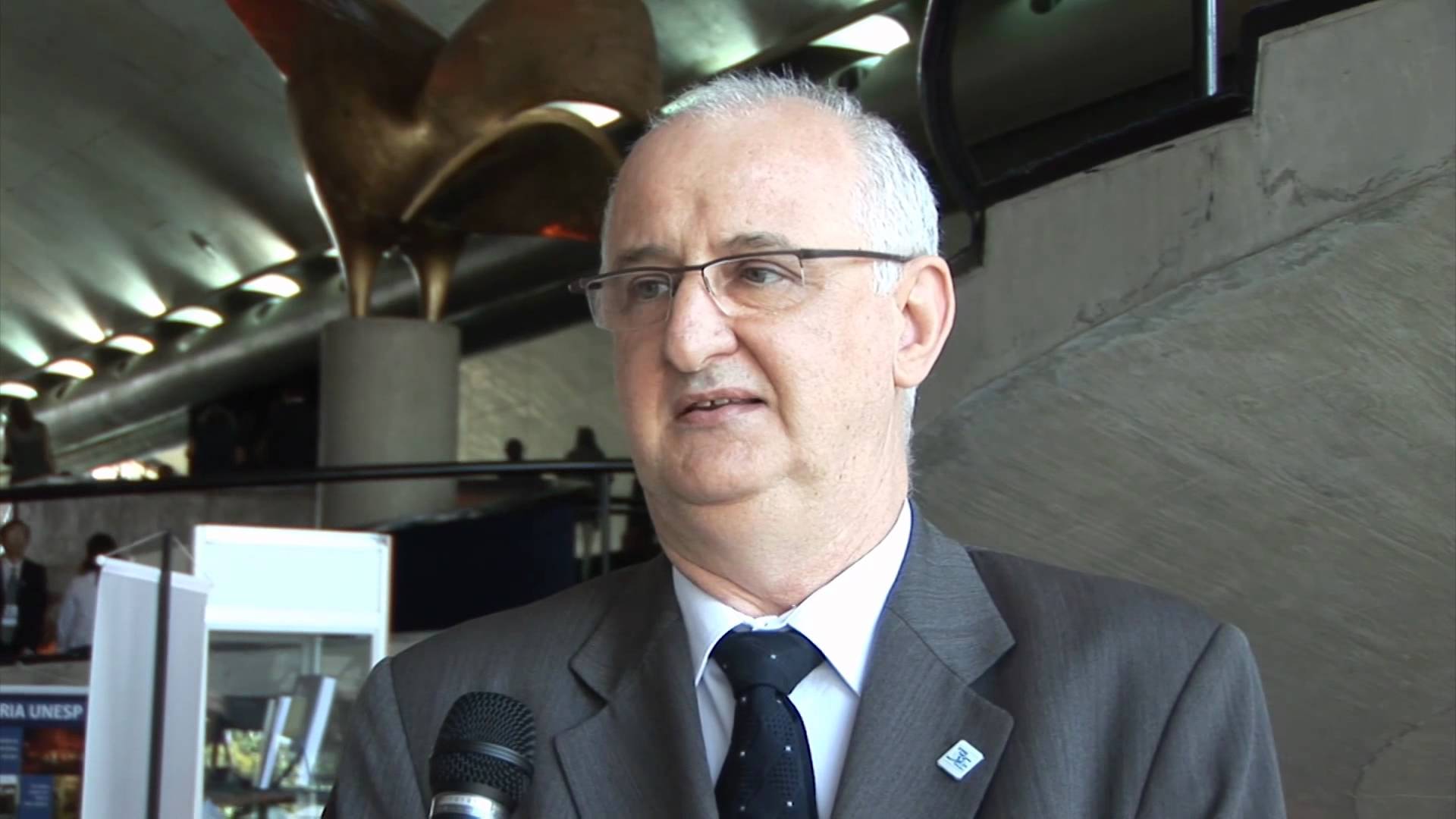
Professor Luís Paulino - I don't believe that there will be impacts, at least in the short and medium terms. From January to September 2020 the main products exported to Asia were soybeans, iron ore, petroleum, frozen beef, chemical wood pulp, sugar, poultry meat and offals. None of these products meet local competition that could be affected by this agreement.
Professor Luís Paulino of the UNESP (São Paulo State University) Department of Political and Economic Sciences (Photo internet reproduction)

Q: – MERCOSUR, as we know, is weakened. On the other hand, we see the great global powers entering into agreements. What would be MERCOSUR’s role in this new era? Would it be a time for unification and empowerment within the region, or will the future consist of separate agreements between South Americans and the rest of the world?

The main damage of Brazil’s policy of automatic alignment with the United States implemented by the government of President Jair Bolsonaro and his foreign minister, Ernesto Araújo, was that it destroyed Brazil’s role of regional leadership, particularly in South America, and led to the political fragmentation of the region, thus allowing South America to become a stage for dispute among the great extra-regional powers.

I do not see how this picture can be reversed, at least in the current government. Not even the already signed MERCOSUR-European Union agreement is showing any evidence of getting off the ground.

Q: – A few years ago we had the U.S.-led negotiation of the TPP [Transpacific Treaty], which did not come off paper in the Trump government and of which Brazil was no longer a part; now we have the RCEP led by China. Overall, are these mega-agreements, including those involving Latin American countries (like Mexico and Peru that were involved in the TPP), bad for MERCOSUR and Brazil or can they be beneficial?

A: – I don’t think that a potential participation of South American countries bordering the Pacific in a trade agreement involving the countries of the so-called Pacific Rim [the “Pacific circles”, an area of countries bordering the ocean, which does not include Brazil] could be detrimental to Brazil. On the contrary, they could encourage greater regional integration with a view to exploring new trade and investment opportunities. In the infrastructure area, for instance, they could encourage regional integration, particularly railways, which could create alternative routes for supplying Asia, our exports’ main destination.

Source: Exame

Live Market IntelligenceBrazil — Live Market BoardInside: market breadth, the sector heatmap, currencies & rates, the Latin America scoreboard and the full instrument board.

Rio Times · Live Market Intelligence

Brazil — Live Market Board

B3 · São Paulo
Aug 2, 2026 · 21:33

Ibovespa · benchmark
177,999.00
+0.47%
+33.76% over 12 months

Market breadth · 14 names
86% advancing

12 ▲ advancing2 declining ▼

Currencies, rates & key inputs
USD / BRL
5.07
-0.02%

EUR / BRL
5.86
+0.20%

Selic rate
14.25%
·

Brent crude
90.12
+1.22%

Iron ore
161.91
·

Sector heatmap · average move today
Consumer Disc.
+3.53%
AZZA3

Energy
+1.42%
PETR4, PRIO3

Materials
+1.38%
SUZB3

Utilities
+0.61%
ENEV3

Financials
+0.49%
ITUB4, BBDC4, BBAS3, B3SA3

Consumer Staples
+0.19%
ABEV3

Industrials
-0.41%
WEGE3, RENT3

Mining
-0.66%
VALE3, CSNA3, GGBR4

Latin America scoreboard
IndexLastTodayStrength
IbovespaBrazil
177,999.00
+0.47%

S&P/BMV IPCMexico
66,935.53
-0.58%

S&P IPSAChile
11,016.85
-0.13%

S&P MERVALArgentina
3,291,323
-0.41%

MSCI COLCAPColombia
2,392.10
+2.12%

BVL S&P PerúPeru
57,890.85

Full instrument board
Instrument Last Change YoY Prev. High Low Volume
IBOV 177,999.00 +0.47% +33.76% 177,158.86
USD/BRL 5.07 -0.02% -8.37% 5.08 5.08 5.07
SELIC 14.25%
PETR4 43.42 +1.35% +33.03% 42.84 43.55 42.86 24,945,600
VALE3 76.28 +0.25% +42.69% 76.09 76.93 75.24 17,342,700
ITUB4 42.89 +0.35% +25.64% 42.74 43.30 42.89 10,279,600
BBDC4 18.43 +0.22% +18.67% 18.39 18.72 18.43 25,195,900
BBAS3 21.35 +0.76% +8.38% 21.19 21.36 21.06 28,506,400
B3SA3 15.73 +0.64% +25.04% 15.63 15.90 15.52 24,489,800
ABEV3 15.99 +0.19% +28.33% 15.96 15.99
WEGE3 47.20 +0.81% +27.19% 46.82 47.77 46.91 5,151,500
PRIO3 60.85 +1.48% +44.23% 59.96 61.08 59.82 7,176,700
SUZB3 43.32 +1.38% -16.93% 42.73 43.40 42.73 3,410,400
RENT3 37.61 -1.62% +8.61% 38.23 39.00 37.60 4,734,900
AZZA3 16.42 +3.53% -53.98% 15.86 16.49 15.89 1,833,000
CSNA3 4.84 -2.22% -39.65% 4.95 4.92 4.75 10,330,800
GGBR4 24.98 +0.00% +48.34% 24.98 24.98
ENEV3 26.31 +0.61% +95.61% 26.15 26.54 25.97 7,688,000

Largest moves today
AZZA3
16.42
+3.53%
CSNA3
4.84
-2.22%
RENT3
37.61
-1.62%
PRIO3
60.85
+1.48%
SUZB3
43.32
+1.38%
PETR4
43.42
+1.35%
WEGE3
47.20
+0.81%
BBAS3
21.35
+0.76%

The session read
The Ibovespa rose 0.47%, with breadth positive — 12 of 14 names higher. Consumer Disc. led, while Mining lagged.

This article was produced by The Rio Times’ automated newsroom system. How we use AI · Report an error

Read More from The Rio Times

The Rio Times · Power Map
See who really holds power in Latin America
Click to open the Power Map
All News Brazil art news Brazil Best English News Brazil Best News Brazil Brazil Brazil economy Brazil football Brazil Museum Fire Brazil national football team Brazil News Brazil Pension Reform Brazil Real Brazil Visa Brazilian Newspaper Business News Brazil Covid-19 Latin America culture news Brazil English Culture News Brazil English Info Brazil English Info Rio de Janeiro English News Argentina English News Belo Horizonte English News Bolivia English News Brasilia English News Brazil English News Chile English News Colombia English News Cuba English News Curitiba English News Ecuador English News El Salvador English News Falklands English News Florianopolis English News Guetamala English News Latin America English News Mexico English News Panama English News Paraguay English News Peru English News Rio de Janeiro English News Sao Paulo English News Uruguay English News Venezuela English Newspaper Brazil English Newspaper Rio de Janeiro Falkland Islands Falklands General News Brazil Info Brazil Info Rio de Janeiro Invest in Brazil Mining News Brazil Natioal Museum of Brazil News Argentina News Bolivia News Brasilia news Brazil News Chile News Colombia News Cuba News Ecuador News El Salvador News Falklands News Florianopolis News Guatemala News Latin America News Mexico News Panama News Paraguay News Peru News Rio de Janeiro News Uruguay News Venezuela Oil News Brazil President of Brazil Rio de Janeiro São Paulo News Science News Brazil travel Brazil Travel News Brazil Universities Brazil

Rotate for Best Experience

This report is optimized for landscape viewing. Rotate your phone for the full experience.