IBOV 166,934.20 ▼ 0.10% IPSA 11,042.67 ▲ 0.39% IPC MEX 64,397.45 ▼ 0.66% MERVAL 2,947,349 ▼ 1.77% COLCAP 2,452.46 ▲ 0.84% BVL PERÚ 58,104.31 ▲ 0.40% USD/BRL5.21▼ 0.01% USD/MXN17.02▼ 0.01% USD/CLP914.45▼ 0.02% USD/COP3,141▲ 0.56% USD/PEN3.37▼ 0.01% USD/ARS1,488— 0.00% USD/UYU40.33▲ 1.98% USD/PYG5,984▲ 2.22% USD/BOB11.54▼ 0.18% USD/DOP58.45▲ 0.26% USD/CRC446.12▲ 2.03% USD/GTQ7.62▲ 2.25% USD/HNL26.79▲ 0.54% USD/NIO36.62— 0.00% USD/VES769.14▼ 0.32% USD/PAB1.00— 0.00% USD/BZD2.00— 0.00% USD/JMD 157.28 — 0.00% USD/TTD6.70▲ 0.66% EUR/BRL6.05▲ 1.03% BRENT 88.88 ▼ 0.03% WTI 83.11 ▼ 0.11% IRON ORE 161.91 — — COPPER 6.61 ▲ 0.03% GOLD 4,461 ▲ 1.78% SILVER 65.59 ▲ 1.26% SOY 1,184 ▲ 3.20% CORN 480.50 ▲ 10.02% WHEAT 655.00 ▲ 3.93% COFFEE 317.25 ▼ 5.51% SUGAR 16.43 ▼ 1.79% ORANGE JUICE 138.55 ▼ 0.47% COTTON 85.03 ▲ 2.33% COCOA 5,719 ▲ 3.18% BEEF 223.60 ▼ 3.93% CATTLE 339.10 ▼ 3.16% LITHIUM 75.20 ▲ 1.47% PETR4 41.64 ▼ 0.05% VALE3 72.97 ▲ 0.83% ITUB4 38.60 ▼ 1.03% BBDC4 16.85 ▲ 0.36% ABEV3 14.89 ▼ 0.80% BBAS3 19.37 ▲ 0.47% B3SA3 14.26 ▼ 0.21% WEGE3 47.59 ▲ 0.49% PRIO3 59.14 ▼ 0.19% SUZB3 41.33 ▲ 2.35% RENT3 34.68 ▼ 0.09% AZZA3 15.89 ▼ 2.63% CSAN3 3.22 ▼ 1.83% RAIZ4 0.25 — 0.00% PCAR3 2.75 ▼ 0.36% GMAT3 3.65 ▼ 1.08% PSSA3 48.13 ▼ 0.54% CVCB3 1.33 ▼ 2.92% POSI3 3.36 ▲ 2.44% SLCE3 13.34 ▲ 0.30% NATU3 8.14 ▼ 0.73% IBOV 166,934.20 ▼ 0.10% IPSA 11,042.67 ▲ 0.39% IPC MEX 64,397.45 ▼ 0.66% MERVAL 2,947,349 ▼ 1.77% COLCAP 2,452.46 ▲ 0.84% BVL PERÚ 58,104.31 ▲ 0.40% USD/BRL 5.16 ▲ 0.01% USD/MXN 17.06 ▼ 0.24% USD/CLP 913.98 ▲ 0.04% USD/COP 3,140 ▲ 0.03% USD/PEN 3.36 ▼ 0.66% USD/ARS 1,493 ▲ 0.10% USD/UYU 40.27 ▲ 1.24% USD/PYG 5,939 ▲ 1.68% USD/BOB 11.64 ▼ 0.76% USD/DOP 58.34 ▲ 1.25% USD/CRC 445.92 ▲ 0.89% USD/GTQ 7.62 ▲ 2.21% USD/HNL 26.79 ▲ 1.57% USD/NIO 36.62 ▲ 0.69% USD/VES 762.44 ▼ 0.13% USD/PAB 1.00 — 0.00% USD/BZD 2.00 — 0.00% USD/JMD 157.28 — 0.00% USD/TTD 6.70 ▲ 0.61% EUR/BRL 5.95 ▲ 1.01% BRENT 88.88 ▼ 0.03% WTI 83.11 ▼ 0.11% IRON ORE 161.91 — — COPPER 6.61 ▲ 0.03% GOLD 4,461 ▲ 1.78% SILVER 65.59 ▲ 1.26% SOY 1,184 ▲ 3.20% CORN 480.50 ▲ 10.02% WHEAT 655.00 ▲ 3.93% COFFEE 317.25 ▼ 5.51% SUGAR 16.43 ▼ 1.79% ORANGE JUICE 138.55 ▼ 0.47% COTTON 85.03 ▲ 2.33% COCOA 5,719 ▲ 3.18% BEEF 223.60 ▼ 3.93% CATTLE 339.10 ▼ 3.16% LITHIUM 75.20 ▲ 1.47% PETR4 41.64 ▼ 0.05% VALE3 72.97 ▲ 0.83% ITUB4 38.60 ▼ 1.03% BBDC4 16.85 ▲ 0.36% ABEV3 14.89 ▼ 0.80% BBAS3 19.37 ▲ 0.47% B3SA3 14.26 ▼ 0.21% WEGE3 47.59 ▲ 0.49% PRIO3 59.14 ▼ 0.19% SUZB3 41.33 ▲ 2.35% RENT3 34.68 ▼ 0.09% AZZA3 15.89 ▼ 2.63% CSAN3 3.22 ▼ 1.83% RAIZ4 0.25 — 0.00% PCAR3 2.75 ▼ 0.36% GMAT3 3.65 ▼ 1.08% PSSA3 48.13 ▼ 0.54% CVCB3 1.33 ▼ 2.92% POSI3 3.36 ▲ 2.44% SLCE3 13.34 ▲ 0.30% NATU3 8.14 ▼ 0.73%
since 2009
Sunday, August 16, 2026

Central America Latin America

How Costa Rica intends to become a sustainability role model

By · August 31, 2021 · 2 min read

Daily Brief

The morning intel from across Latin America. Free.

By subscribing you agree to our privacy policy. We never share your email.

RIO DE JANEIRO, BRAZIL – Costa Rica is investing in sustainability. On the international stage, the country was one of the first to turn agreed commitments into serious measures, which led it to win the United Nations Public Policy Leadership Award in 2019.

Now, President Carlos Alvarado Quesada aims to turn Costa Rica into a global example in tackling climate change.

Costa Rica’s president Carlos Alvarado Quesada. (Photo internet reproduction)
One-stop reference
Company Intelligence
Every listed company in Latin America — financials, ownership and structure for 1,450+ companies across 26 exchanges, in one place.
Browse the directory →
RT
Ask Rio Times
This story and the bigger picture.
Open the full Ask Rio Times →

Proportionally, the country’s contribution to global warming is negligible: only 0.02% of global carbon emissions come from Costa Rica. Meanwhile, the world’s 10 most polluting nations account for almost 70% of the world’s greenhouse gas production.

The small share in global warming gas emissions prompted Quesada to say that he hopes the tiny Central American country can inspire nations like the United States, India, and China to pollute less.

THE COUNTRY’S PLANS

Costa Rica’s National Decarbonization Plan was published in February 2019, which outlines medium- and long-term goals involving reforms in transportation, energy, waste management, and land use.

The country has committed to eliminating fossil fuel consumption by 2050 – a goal that, if achieved, will make Costa Rica the first country in the world to zero its carbon emissions. It is worth noting that 99.5% of Costa Rican electricity comes from clean sources, such as solar, wind, and mainly hydroelectric power.
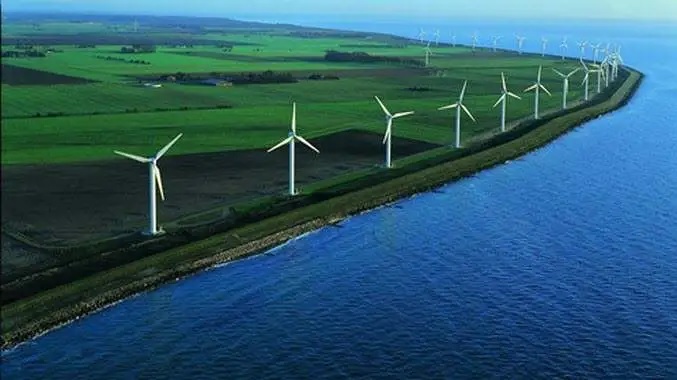
How Costa Rica intends to become a sustainability role model
How Costa Rica intends to become a sustainability role model. (Photo internet reproduction)

There will be many challenges along the way, the biggest of which should lie in the transportation sector, which accounts for 40% of the country’s greenhouse gas emissions. To circumvent the issue, the National Plan establishes that by 2050 all cabs and public buses will have zero emissions, running on biofuels or other fossil fuel substitutes. Moreover, the installation of an electric train in the capital San Jose is planned for 2022.

Costa Rica now offers tax breaks to anyone who embraces green initiatives, such as companies that buy bicycles for their employees or people who buy electric cars. There are plans to compel municipalities to implement bike lanes on new roads and to tax polluters.

To meet the goals set in the Paris Agreement, which aim to limit global warming to 1.5°C, much more needs to be done. According to Climate Action Tracker research consortium, only 2 countries have implemented policies capable of enforcing the agreement: Morocco and Gambia.

If the message sent by Costa Rica is understood, it is possible that other nations will begin to take more decisive actions to tackle climate change.

And the results could be great. “I envision a city where mobility is based on clean energy; a city that invests in technology but prioritizes the well-being, freedom, and privacy of the people; a city where you breathe clean air; a city that manages waste in a sustainable way and a city where you get in touch with nature to find peace,” Carlos Alvarado Quesada said.

Read More from The Rio Times

The Rio Times · Power Map
See who really holds power in Latin America
Click to open the Power Map

Rotate for Best Experience

This report is optimized for landscape viewing. Rotate your phone for the full experience.